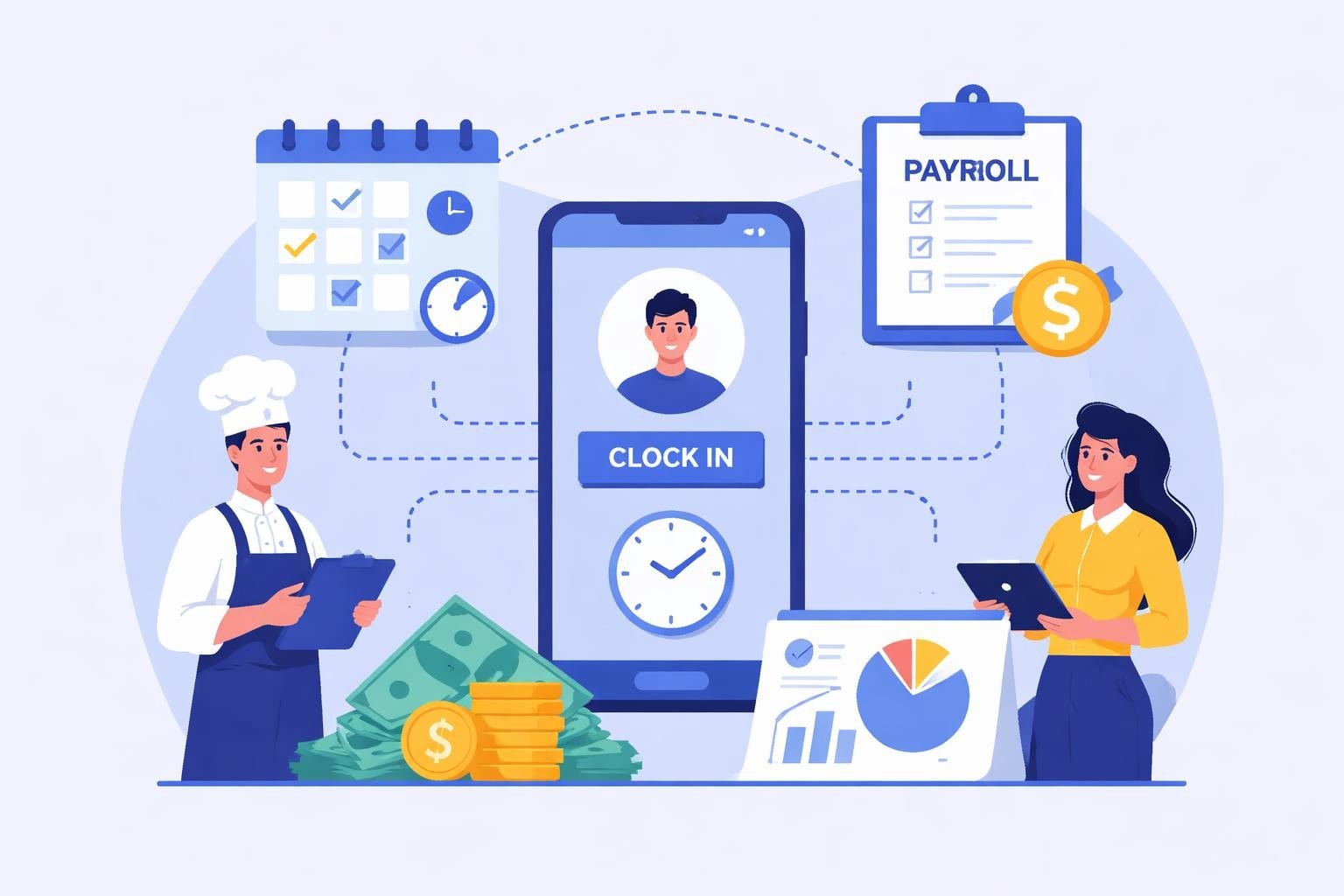
Expert Guide to Manage Restaurant Successfully in 2026

Master how to manage restaurant success in 2026 with expert strategies on team building, operations, technology, finances, and guest experience for growth.
In 2026, restaurant owners and managers face a landscape transformed by technology, evolving guest demands, and rising competition. Navigating these changes requires more than experience; it takes innovative thinking and the ability to manage restaurant operations with agility.
This expert guide delivers proven strategies and the latest insights to help you manage restaurant success. Discover how to streamline daily operations, build exceptional teams, leverage new technology, optimize finances, and elevate every guest experience.
The challenges of 2026 present new opportunities for those prepared to adapt. Mastering modern management techniques leads to higher profits, happier staff, and loyal guests. Apply these future-ready methods to manage restaurant growth, satisfaction, and profitability today.
Understanding the Restaurant Management Landscape in 2026
The restaurant industry in 2026 is defined by rapid change and persistent challenges. To successfully manage restaurant operations, leaders must adapt to evolving trends and shifting consumer demands. Digital transformation, workforce dynamics, and heightened competition are reshaping the way restaurants operate.
Key Industry Trends and Challenges
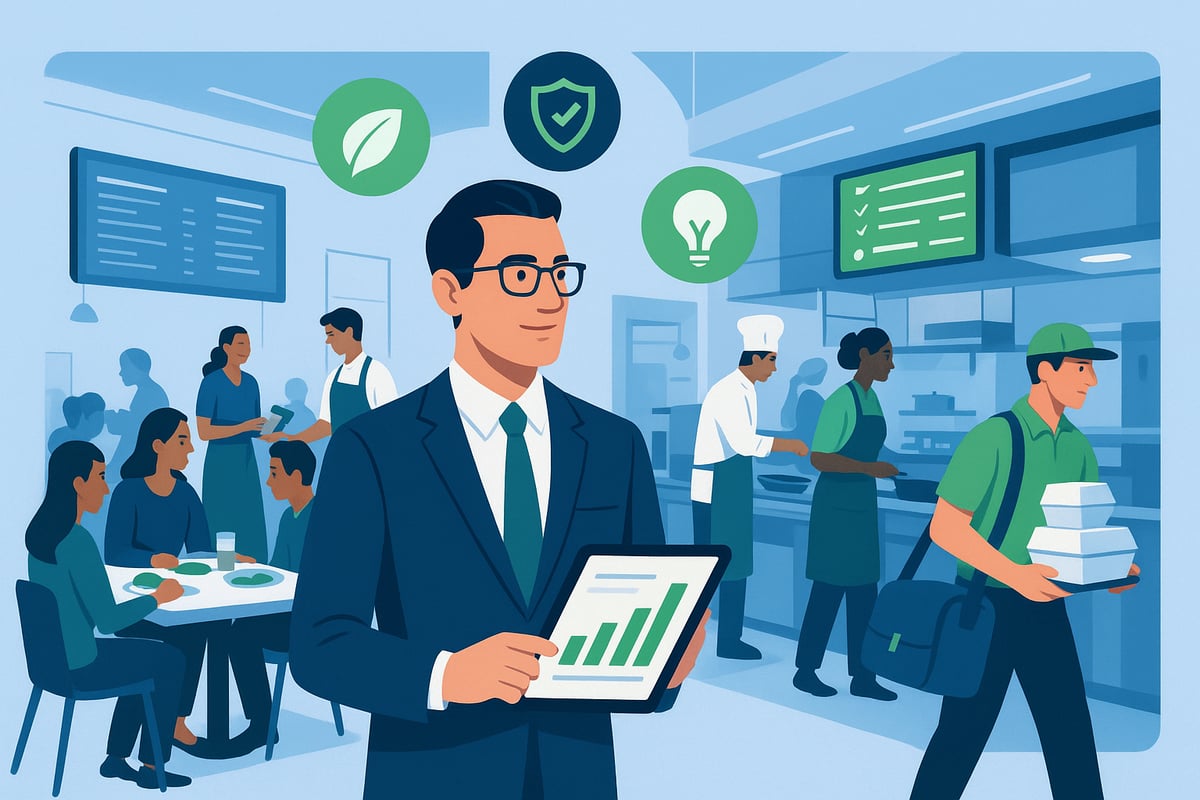
Labor shortages and high turnover continue to influence how restaurants recruit, train, and retain staff. This makes it essential to manage restaurant teams with creativity and flexibility. Digital ordering, third-party delivery, and contactless dining have become standard, with industry studies projecting 10 to 15 percent annual growth in online food delivery through 2026.
Consumer expectations are also shifting. There is rising demand for sustainable, locally sourced, and health-conscious menu options. Competition now comes not only from traditional restaurants, but also from ghost kitchens, meal kit services, and virtual brands. Stricter health, safety, and food compliance regulations, a lasting effect of the pandemic, are also front and center.
To explore these trends in greater depth, see the latest Restaurant Industry Trends 2026, which details how technology, menu innovation, and transparency are shaping the future.
A notable example is a major fast-casual chain that adopted a hybrid service model—combining in-person dining with robust online ordering and delivery—to stay ahead in this competitive landscape.
The Evolving Role of the Restaurant Manager
The role of those who manage restaurant operations is broader than ever. Managers now oversee not only daily operations, but also human resources, marketing, technology, and compliance. Agility and innovation are vital, as is a data-driven approach to decision-making.
A typical day might involve reviewing sales analytics, coordinating digital marketing campaigns, onboarding new hires, and ensuring compliance with updated health standards. Managers must be ready to pivot strategies quickly, whether responding to supply chain disruptions or launching new service channels.
Balancing hands-on leadership with strategic planning is now essential. To manage restaurant success in 2026, managers must embrace continuous learning, foster team collaboration, and leverage technology for operational excellence.
Building and Leading High-Performing Teams
Building and leading high-performing teams is fundamental to successfully manage restaurant operations in 2026. With shifting labor markets and rising guest expectations, creating a motivated, skilled workforce can be the difference between thriving and merely surviving. Let us explore actionable strategies for recruitment, onboarding, retention, and ongoing team development to ensure your staff excels.
Recruitment, Onboarding, and Retention Strategies
Attracting top talent to manage restaurant teams effectively starts with a clear employer brand and streamlined hiring process. Focus on defining your core values and communicating growth opportunities to candidates. Structured onboarding programs are crucial; they set clear expectations, foster engagement, and can reduce turnover by up to 25 percent.
To retain staff, prioritize workplace culture. Encourage open communication, celebrate milestones, and provide regular feedback. Implementing flexible scheduling is particularly attractive for Gen Z employees, who value work-life balance. For example, offering shift swaps or self-service scheduling can boost loyalty and productivity. By investing in these strategies, you set a strong foundation to manage restaurant teams for long-term success.
Training, Communication, and Performance Management
Continuous training is essential when you manage restaurant staff in a competitive environment. Cross-training front-of-house and back-of-house employees increases flexibility and reduces service gaps during busy periods. Regular training sessions ensure everyone is up to date on safety protocols, menu changes, and service standards.
Clear communication channels are key. Hold team meetings, encourage open dialogue, and use digital platforms for shift updates. Mentoring programs and leadership development foster growth, while professional conflict resolution processes help address issues early. Recognition programs, such as “Employee of the Month,” can further motivate staff and reinforce positive performance. For deeper guidance on developing your leadership approach, explore Insights for restaurant managers.
Leveraging Smart Scheduling & Time Tracking Tools
Smart scheduling solutions are transforming how managers handle the daily complexities of staff management. Digital platforms allow you to manage restaurant shift planning in real time, reducing manual errors and ensuring compliance with labor regulations. Real-time time tracking supports accurate payroll and helps prevent costly overtime.
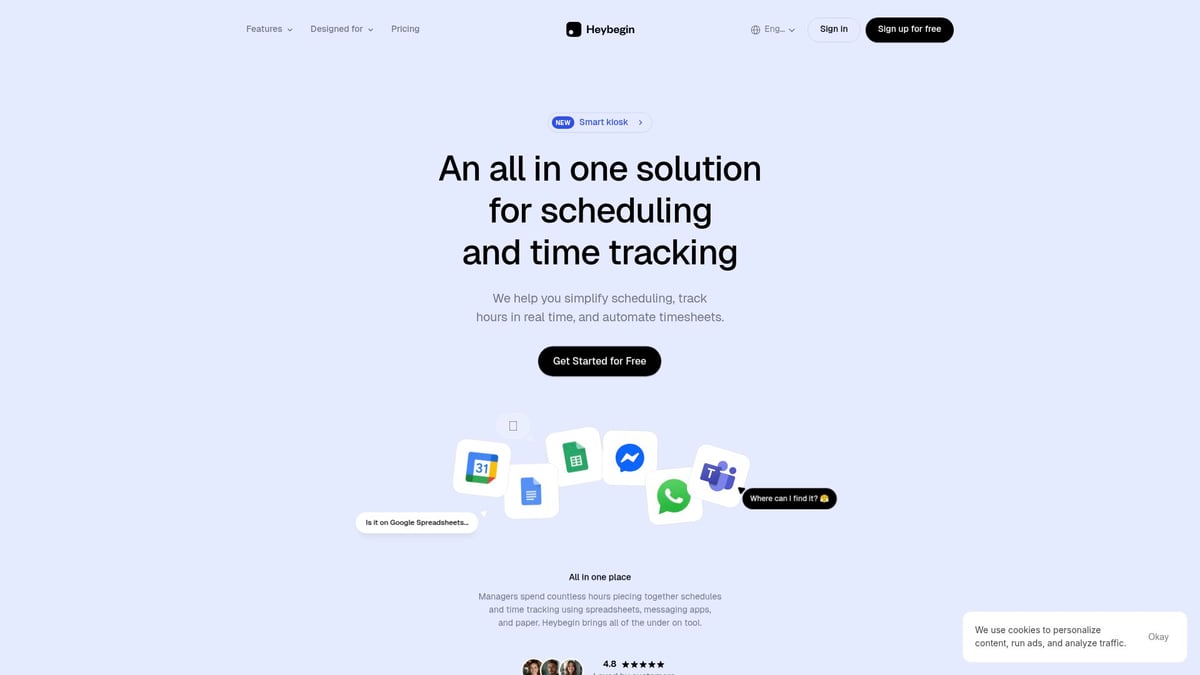
Restaurants using these tools often report up to a 10 percent reduction in labor costs. Improved transparency and communication empower staff to view schedules, request changes, and access updates instantly. For example, a multi-unit café chain implemented Heybegin, enabling seamless scheduling across locations and saving hours each week. By leveraging these tools, managers can manage restaurant teams more efficiently and foster a culture of accountability.
Streamlining Restaurant Operations for Efficiency and Consistency
To successfully manage restaurant operations in 2026, efficiency and consistency are more important than ever. Modern managers face new challenges, including increased competition and evolving guest expectations. Creating seamless workflows and dependable systems is essential for meeting these demands and achieving operational excellence.
Optimizing Front-of-House (FOH) and Back-of-House (BOH) Workflows
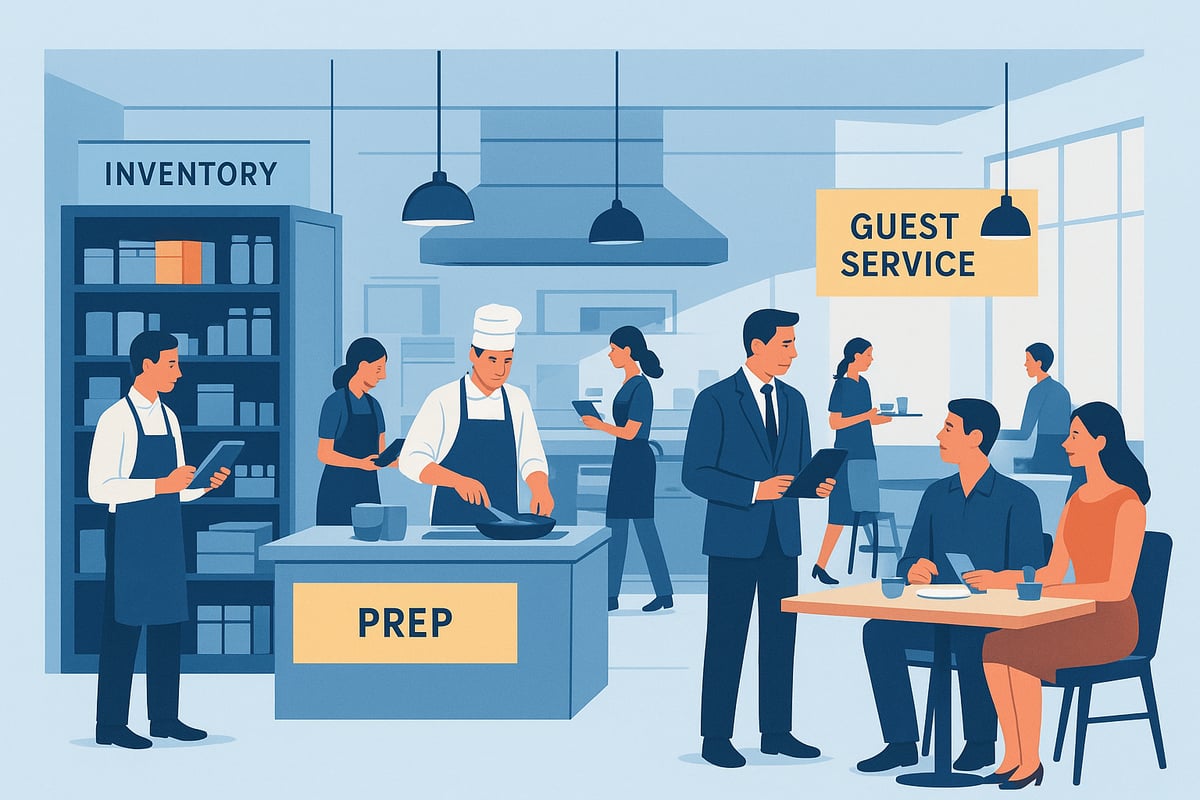
Effective FOH and BOH coordination is at the core of how top teams manage restaurant operations. FOH staff must greet guests, manage seating, take orders, and ensure every guest feels valued. BOH teams focus on food prep, cooking, plating, and maintaining clear communication with the front.
A well-defined workflow ensures tasks are completed smoothly. Pre-shift meetings allow managers to address daily priorities and reinforce standard operating procedures. Checklists for both FOH and BOH are valuable tools for readiness and consistency.
FOH Key Tasks | BOH Key Tasks |
|---|---|
Greeting & Seating | Prep & Cooking |
Order Taking | Plating |
Guest Interaction | Kitchen Communication |
By standardizing these processes, you can manage restaurant teams more effectively and boost guest satisfaction.
Inventory, Procurement, and Vendor Management
Keeping inventory under control is vital to manage restaurant costs and reduce waste. Accurate tracking helps identify usage patterns and spot inefficiencies. Building strong relationships with suppliers can lead to better pricing and more reliable deliveries.
Adopting automated inventory and procurement solutions further streamlines operations. These systems track stock levels, generate order reports, and help minimize over-ordering. According to industry data, restaurants using automation reduce food waste by up to 20 percent.
For comprehensive strategies and tools, explore restaurant management solutions to help optimize inventory and vendor relations. Leveraging technology in these areas leads to more consistent performance and greater profitability.
Health, Safety, and Regulatory Compliance
To manage restaurant operations responsibly, managers must uphold strict health and safety standards. Staff need regular training on sanitation, allergen protocols, and workplace safety. Compliance with evolving local and national food safety regulations is non-negotiable.
Digital checklists and audit logs simplify tracking compliance. Implementing these protocols ensures readiness for inspections and fosters a culture of accountability. Sharing clear guidelines with your team, and reviewing them regularly, keeps everyone aligned.
By prioritizing compliance, you manage restaurant operations with confidence and protect both your guests and your brand’s reputation.
Financial Management and Profit Optimization
Effective financial management is the backbone of every effort to manage restaurant operations profitably in 2026. With rising costs and shifting consumer habits, owners must adopt a strategic approach to budgeting, menu planning, and labor control. Mastering these fundamentals allows leaders to manage restaurant performance with confidence and agility.

Budgeting, Cost Control, and Revenue Tracking
To manage restaurant finances effectively, start by developing a detailed operating budget that covers labor, food, and overhead costs. Successful managers routinely monitor daily sales, expenses, and key profitability metrics to spot trends and respond quickly.
Regular financial reporting is essential for transparency and decision-making. Use forecasting to anticipate seasonal changes or unexpected expenses. Effective cost control, such as tracking inventory closely and negotiating with vendors, can improve net profit margins by 3 to 5 percent.
Key steps to manage restaurant finances include:
Setting clear targets for food and labor costs
Reviewing sales and expense data daily
Adjusting budgets based on real-time results
By integrating these tactics, you can manage restaurant resources efficiently and build a resilient operation.
Menu Engineering and Pricing Strategies
Smart menu design is crucial to manage restaurant profitability. Begin by analyzing which items deliver the highest margins and which underperform. Menu engineering helps pinpoint where to focus promotions or consider price adjustments.
Dynamic pricing and seasonal updates keep your offerings relevant and profitable. For 2026, industry reports highlight the importance of local sourcing, comfort foods, and value-driven menus. For more on emerging trends, review the 2026 Culinary Forecast.
Balance menu variety with operational simplicity to streamline kitchen workflows. This approach ensures you manage restaurant offerings that align with both market demand and profit goals.
Labor Cost Management
Labor is one of the largest expenses when you manage restaurant operations. Optimize scheduling to match demand, using analytics to identify and correct inefficiencies. Smart scheduling platforms help keep labor costs within the ideal 25 to 30 percent of revenue.
Monitor overtime and cross-train staff to maximize flexibility. Analyze labor data regularly to pinpoint areas for improvement.
By staying proactive, you can manage restaurant staffing levels efficiently, avoid unnecessary overtime, and support a motivated, high-performing team.
Enhancing Customer Experience and Brand Reputation
Delivering a remarkable customer experience is essential to manage restaurant operations successfully. The manager sets the tone by modeling high service standards and ensuring every guest feels valued. Staff training should focus on hospitality, empathy, and problem-solving to prepare teams for any situation. For instance, when a guest’s order is delayed, empowering staff to offer a complimentary appetizer can turn frustration into satisfaction. Proactive guest recovery strategies like these resolve issues in real time and build trust. Managers who consistently reinforce these principles help manage restaurant teams that deliver memorable service at every touchpoint.
Creating Memorable Dining Experiences
To manage restaurant success, every sensory detail counts. Ambiance, music, décor, and well-set tables all play a role in shaping guest impressions. Personalized service, such as greeting regulars by name or remembering dietary preferences, makes guests feel special and encourages repeat visits. In fact, Consumer Dining Preferences 2026 highlights that 70% of diners say tailored experiences drive their loyalty. Managers who prioritize these elements help manage restaurant environments that guests want to revisit. Every detail, from lighting to staff interactions, contributes to a lasting positive memory.
Leveraging Guest Feedback and Online Reviews
To manage restaurant reputation, collecting and acting on guest feedback is crucial. Use digital surveys, comment cards, or table-side tablets to gather insights after each visit. Monitoring Google, Yelp, and social media reviews helps managers identify trends and address concerns quickly. Implementing a follow-up program, such as reaching out to dissatisfied guests with a personal apology and a special offer, can turn negative experiences into positive word of mouth. By making feedback a regular part of operations, managers not only manage restaurant perception but also continuously improve service quality and guest satisfaction.
Embracing Technology and Innovation for Future Growth
Staying ahead in 2026 requires that you manage restaurant operations with an eye on technology and innovation. Embracing new tools is no longer optional; it is essential for growth, efficiency, and customer satisfaction.
Digital Ordering, Reservations, and Payment Solutions
To manage restaurant success in 2026, digital ordering and payment systems must be at the core of your operations. Online ordering, QR code menus, and contactless payments are now standard, making service seamless for both dine-in and delivery guests. Integration of POS systems with inventory and loyalty programs allows real-time data tracking and personalized promotions. According to industry projections, 60% of restaurant sales will involve digital channels by 2026, underscoring the importance of tech adoption. For deeper insights on the impact of artificial intelligence and other digital trends, see AI Integration in Restaurants. These innovations streamline your workflow and help manage restaurant operations more efficiently.
Marketing, Social Media, and Community Engagement
A strong digital presence is critical as you manage restaurant marketing in a hyper-connected world. Use social media platforms to engage with your local community, launch targeted promotions, and create memorable campaigns. Influencer partnerships and event hosting can amplify your reach and attract new guests. For example, a well-executed TikTok campaign can increase reservations by as much as 30%. Consistent, authentic communication builds trust, enhances your reputation, and ensures guests remember your brand. By integrating technology into your marketing strategy, you can manage restaurant visibility and guest loyalty more effectively.
Sustainability and Operational Innovation
Today’s consumers expect restaurants to prioritize sustainability. To manage restaurant operations responsibly, focus on reducing food waste, optimizing energy use, and lowering your carbon footprint. Sourcing local and sustainable ingredients meets customer demand while supporting your community. Notably, 55% of diners prefer restaurants with visible sustainability practices. Innovative solutions, such as smart inventory systems and eco-friendly packaging, set you apart from competitors. By weaving environmental responsibility into daily operations, you manage restaurant growth while building lasting guest loyalty.
Career Development and Leadership Skills for Restaurant Managers
To effectively manage restaurant teams in 2026, strong leadership is essential. The most successful managers demonstrate adaptability, emotional intelligence, and resilience. These qualities help leaders guide their teams through daily challenges and ever-evolving industry demands.
Continuous learning is key to professional growth. Pursuing industry certifications, attending workshops, and building a strong network can expand your expertise. Embracing technology, such as smart scheduling features, also enhances your ability to manage restaurant staff efficiently and stay ahead in a competitive field.
Career advancement in the restaurant industry often follows a clear path. Many start as shift supervisors, progress to general manager roles, and eventually oversee multiple locations. Each step requires new skills, from people management to operational strategy, and a willingness to learn from mentors.
Success stories abound of managers who use technology and team-building to drive growth. Investing in your development not only prepares you to manage restaurant operations more effectively but also ensures long-term career satisfaction and business success.
As you navigate the evolving landscape of restaurant management in 2026, building efficient teams and streamlining operations are more important than ever. Embracing smart scheduling and real time time tracking can make a real difference—helping you cut labor costs, reduce manual errors, and keep your staff happy and engaged. If you’re ready to take the next step and see these benefits in action, I encourage you to Try Heybegin for Free. It’s a practical way to put the strategies from this guide into practice and set your restaurant up for lasting success.