Overtime Tracking Guide: Master Time Management in 2026
Master overtime tracking in 2026 with expert strategies, legal updates, top software, and actionable steps to boost compliance, efficiency, and workforce satisfaction.
Did you know that overtime costs are soaring across the hospitality industry, impacting restaurants, hotels, bakeries, and cafes more than ever? As 2026 approaches, mastering overtime tracking is no longer optional—it is essential for controlling expenses, ensuring legal compliance, and keeping teams satisfied. This comprehensive guide will help you unlock the secrets to efficient time management, from understanding overtime fundamentals to leveraging the latest digital solutions. Discover how proper overtime tracking can streamline operations, boost customer service, and protect your bottom line. Ready to transform your business? Read on for actionable strategies and expert insights.
Understanding Overtime: Definitions, Regulations, and Trends for 2026
Modern restaurants, hotels, bakeries, and cafes face increasing challenges around overtime tracking. As staffing models shift and labor costs rise, understanding how overtime is defined and regulated becomes crucial for sustainable operations.
What Counts as Overtime?
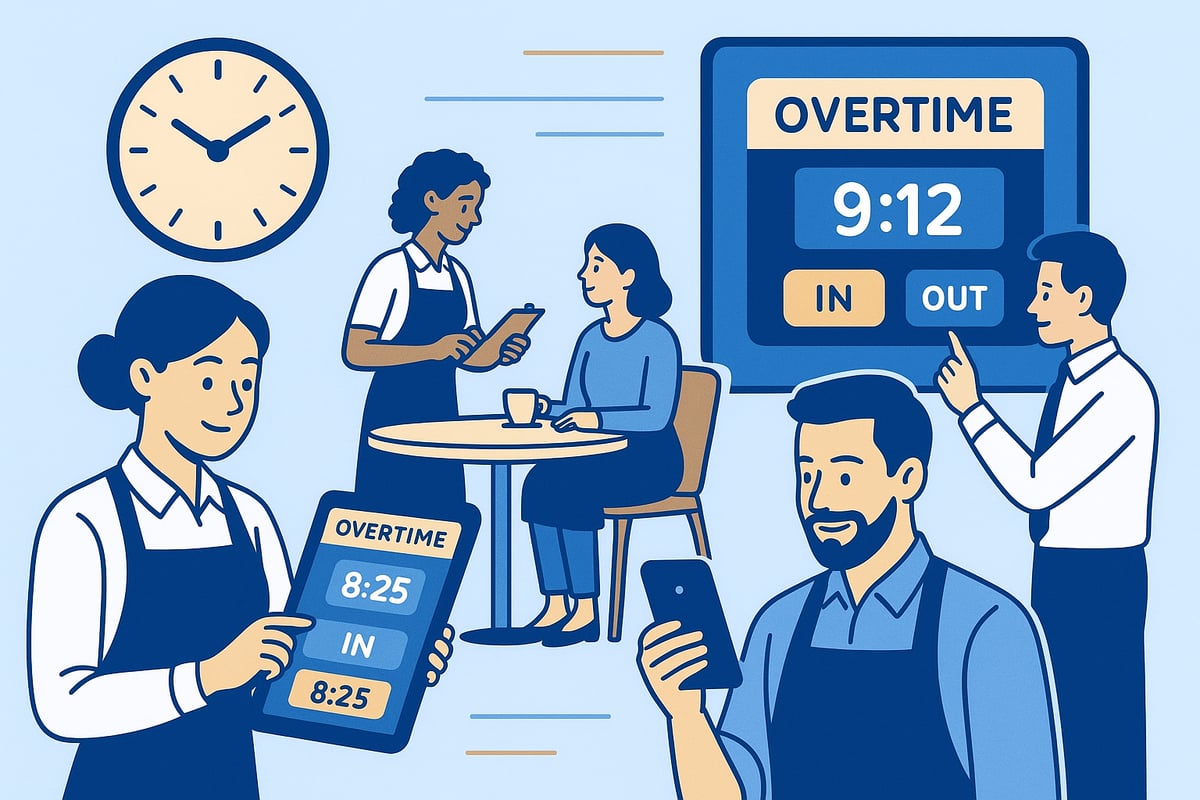
Overtime in hospitality industries refers to hours worked beyond the standard full-time schedule, often 40 hours per week. In restaurants and cafes, this might mean a chef or barista working extra evening shifts.
There are three primary categories:
Regular hours: Up to 40 hours per week.
Overtime: Hours beyond 40, usually paid at 1.5 times the regular rate.
Double time: Occasionally, hours worked beyond a set threshold, compensated at twice the standard rate.
Overtime rules differ across regions and countries. For example, some areas count daily overtime after eight hours, while others only consider weekly totals. Common misconceptions include thinking salaried employees are always exempt or that voluntary overtime does not need to be tracked. Accurate overtime tracking is essential to avoid errors and disputes.
Key Overtime Laws and Compliance Requirements
Federal, state, and local labor laws set strict standards for overtime in 2026. In the United States, the Department of Labor has increased the salary threshold for overtime eligibility, impacting millions in the hospitality sector.
Hospitality businesses face unique rules, such as tip credit considerations and break requirements, that may not apply to office settings. Accurate record-keeping of all hours, including overtime, is vital for passing audits and ensuring correct payroll. Tools like MaxelTracker highlight the legal risks of noncompliance, such as fines and lawsuits. Reliable overtime tracking supports audit readiness and helps managers maintain compliance.
Overtime Trends and Statistics for 2026
Recent data shows a significant focus on reducing unnecessary overtime in restaurants and service industries. Platforms like MaxelTracker report a 25 percent drop in excessive overtime when digital tracking is implemented. The rise of flexible scheduling and remote work is changing overtime patterns, requiring more adaptive solutions.
Regulatory scrutiny is increasing, and digitalization is now the norm. However, challenges remain. According to a hospitality industry overtime pay survey, 62 percent of hospitality workers reported not being paid for overtime in 2024, highlighting the ongoing need for robust overtime tracking systems. Many businesses now use shift optimization to reduce overtime expenses and improve staff satisfaction.
The Cost of Poor Overtime Management
Ineffective overtime tracking leads to payroll errors, labor cost overruns, and employee burnout. These issues can erode profitability and increase turnover, creating operational instability.
Businesses that lack proper systems often face unexpected expenses and struggle to retain experienced staff, ultimately impacting their bottom line.
Why Overtime Tracking Matters for Hospitality Businesses
Real-world success stories highlight the benefits of effective overtime tracking. For example, a cafe owner using automated tracking software reported smoother payroll processing and fewer disputes over hours worked.
Efficient overtime tracking also contributes to better customer service and operational efficiency, ensuring staff are scheduled fairly and resources are optimized for peak periods.
Modern Overtime Tracking Methods: From Manual Logs to Smart Software
Efficient overtime tracking is essential for restaurants, hotels, bakeries, and cafes that juggle multiple shifts and fluctuating demand. As the industry evolves, the shift from paper-based logs to smart digital solutions has transformed how businesses manage labor costs and compliance.
Traditional Overtime Tracking Approaches
Many hospitality businesses once relied on manual timesheets, punch cards, or spreadsheets to record hours. These overtime tracking methods were prone to human error, lost records, and time-consuming calculations.
Manual tracking often led to inaccurate payroll, delayed overtime payments, and frustrated employees. It also made compliance audits more stressful due to inconsistent records.
Prone to calculation mistakes
Difficult to consolidate across multiple locations
Lacked real-time visibility for managers
The Rise of Digital Overtime Trackers
Modern overtime tracking software automates the entire process, saving time and reducing mistakes. Digital tools provide instant reporting, automated alerts, and easy compliance checks. Solutions like MaxelTracker and TimeTrack offer comprehensive dashboards that allow managers to monitor labor in real time.
Key benefits include:
Automated overtime calculations
Mobile and desktop access for staff and management
Real-time notifications for approaching overtime limits
Features such as GPS tracking and break management are now standard, giving businesses more control over labor costs and compliance.
Essential Features of Modern Overtime Tracking Software
Choosing the right overtime tracking platform means looking for features that boost accuracy and efficiency. Leading solutions provide real-time tracking, automated alerts, and seamless integration with payroll and scheduling systems.
Must-have features include:
Real-time employee clock-in/out
Automated overtime and double time calculations
Compliance checks for local labor laws
Mobile and kiosk clock-in options
AI-powered analytics and idle time detection
For a detailed look at these functionalities, see the Time Tracking Features Overview.
How Mobile and Kiosk Solutions Transform Tracking
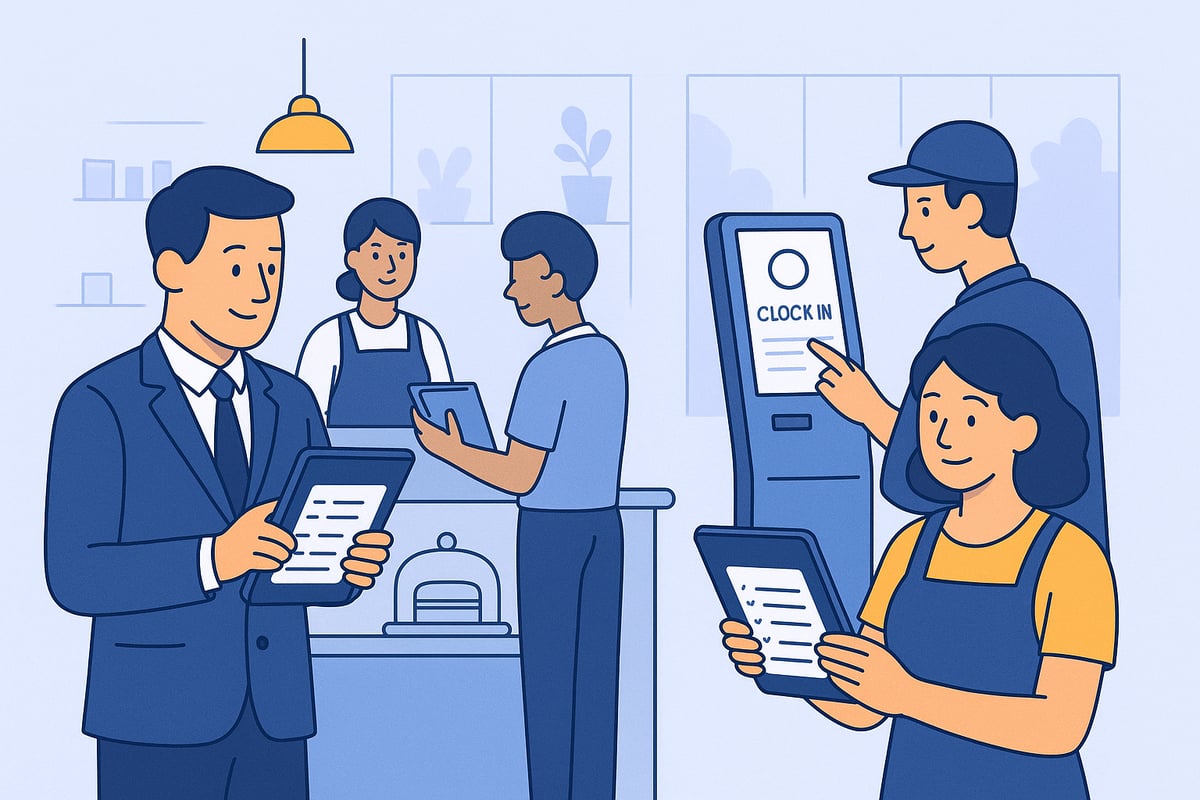
Mobile apps and smart kiosks have revolutionized overtime tracking in hospitality. Staff can clock in or out using their smartphones or at designated kiosks with PINs, NFC, or RFID cards. This flexibility is crucial for restaurants and bakeries with remote or offsite teams.
Examples from TimeTrack and MaxelTracker show that offline tracking and GPS verification offer accurate records, even for delivery drivers or catering staff.
Integrating Overtime Tracking with Scheduling and Payroll
Connecting overtime tracking tools with scheduling and payroll systems streamlines operations. Automated syncing ensures that tracked hours flow directly into payroll, reducing errors and manual work.
Benefits include:
Fewer payroll discrepancies
Faster payroll processing
Less administrative workload for managers
Data Security and Privacy Considerations
Data protection is a top priority for modern overtime tracking solutions. Leading platforms use encryption, secure cloud storage, and strict permission controls to safeguard sensitive employee data.
MaxelTracker and similar tools emphasize transparent privacy policies and regular security updates, ensuring compliance with evolving regulations.
Step-by-Step Guide: Implementing Overtime Tracking in 2026
Implementing effective overtime tracking in restaurants, hotels, bakeries, and cafes starts with a clear, structured approach. Each step ensures that your business not only meets legal requirements but also maximizes efficiency and staff satisfaction. Let’s walk through the process for seamless adoption.
Step 1: Assess Your Business’s Overtime Needs
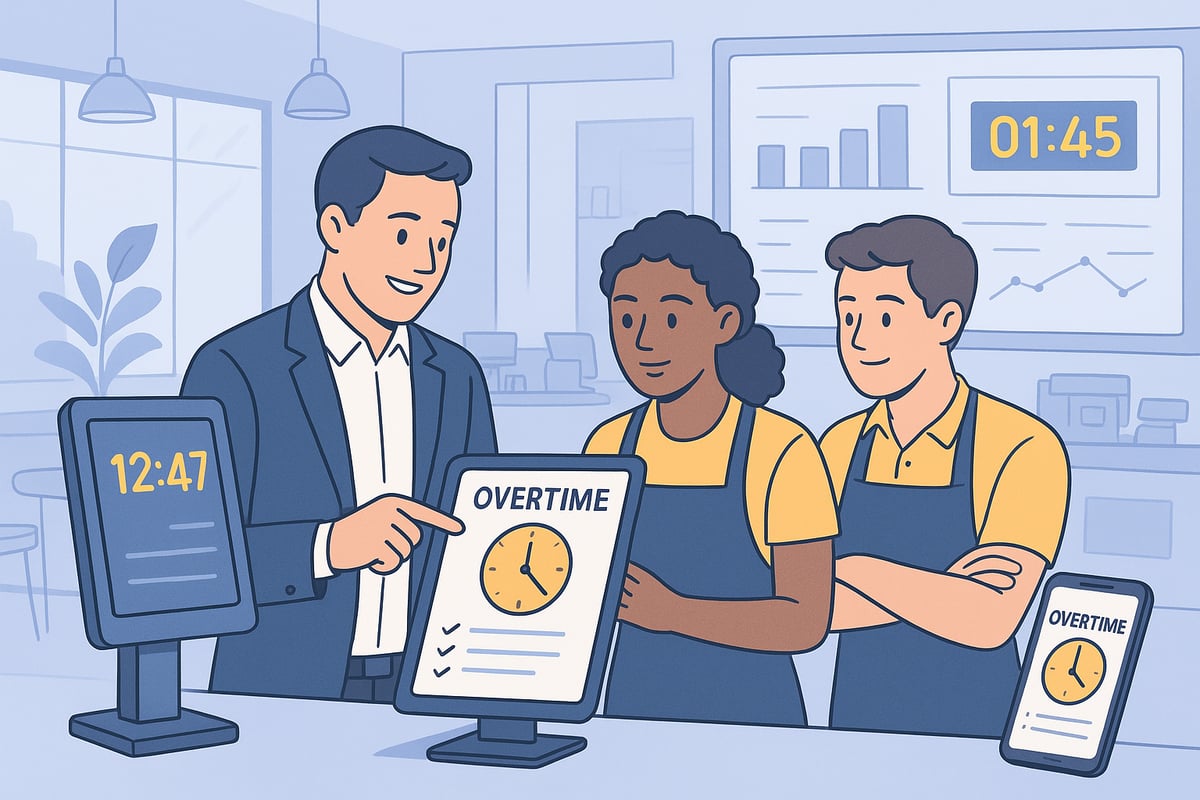
Begin by analyzing your current overtime tracking processes and identifying pain points. Review past timesheets to understand when and why overtime occurs, especially during peak hours or seasonal rushes. For restaurants and cafes, variable customer flow can quickly lead to overtime issues if not managed. Identify compliance gaps and areas where manual errors impact payroll accuracy. By mapping these trends, you set a strong foundation for improvement. Use this assessment to inform every next decision.
Step 2: Select the Right Overtime Tracking Solution
Choosing the best overtime tracking solution requires careful evaluation. Look for software tailored to hospitality, with features such as mobile clock-in/out, scheduling integration, and compliance checks. Compare leading tools on ease of use, scalability, and support for multi-location operations. Prioritize solutions that handle variable shifts and break rules. Benchmark options like MaxelTracker and TimeTrack, considering how they meet your unique needs. The right choice will streamline processes and reduce administrative burden.
Step 3: Set Up and Configure Your Tracking System
Once you have selected your software, focus on proper setup. Create user accounts for all staff, assign permissions, and configure overtime rules based on local regulations. Ensure the system reflects your business structure, such as departments or locations. Guide your team through setup with clear instructions and visual aids. Reference competitor setup flows: sign up, invite your team, and enable real-time tracking. A well-configured system ensures accurate data from day one.
Step 4: Train Your Team for Adoption
A smooth rollout depends on effective training. Host hands-on demos so employees can see the new overtime tracking system in action. Provide easy-to-follow guides and make support resources available. Address staff concerns about privacy and usability by explaining how data is protected and how the system benefits everyone. Share examples from other restaurants and cafes that have achieved quick adoption. Ongoing support and clear communication set your team up for success.
Step 5: Monitor, Analyze, and Optimize Overtime Data
Leverage your software’s dashboards and reporting tools to oversee overtime tracking in real time. Use analytics to spot trends, inefficiencies, and compliance risks. AI-powered reports can reveal hidden patterns and offer actionable insights. For example, Overtime Reporting and Analytics empowers managers to make data-driven decisions, improving shift scheduling and reducing unnecessary overtime. Regular monitoring keeps your business agile and compliant.
Step 6: Integrate with Payroll and Scheduling
Syncing your overtime tracking solution with payroll and scheduling software reduces errors and saves time. Automated timesheets ensure accurate pay calculations and minimize manual data entry. Integration simplifies shift swaps, break management, and overtime approvals. This connection not only streamlines payroll processes but also helps maintain compliance with labor laws. As a result, administrative workloads decrease, and staff receive timely, correct compensation.
Step 7: Continuously Improve Processes
Overtime tracking is not a one-time setup. Regularly review your overtime policies and analyze data to identify improvement areas. Gather periodic feedback from staff to uncover usability issues or workflow bottlenecks. Keep your software updated with the latest features and compliance requirements. Competitor testimonials highlight the benefits of continuous improvement, from increased efficiency to better staff morale. Evolving your system ensures long-term success and adaptability.
Best Overtime Tracking Software for Restaurants, Cafes, and Hospitality in 2026
Selecting the right overtime tracking solution is a game changer for restaurants, cafes, hotels, and bakeries. The right software can streamline compliance, reduce costs, and elevate staff satisfaction. Let us break down what to look for, compare the leading options, and share real-world results from businesses like yours.
Key Selection Criteria for Hospitality Businesses
When choosing overtime tracking software, hospitality businesses must prioritize features that suit the complexity of shift work, tip management, and compliance with break laws.
Mobile access is crucial, as staff need to clock in and out on the go. Multi-location support allows managers to oversee several venues from a single dashboard. Real-time scheduling integration is also vital, ensuring that labor costs and overtime are visible before shifts even begin.
Considerations include:
Shift and break management for rotating teams
Tip reporting and pooling for payroll accuracy
Easy integration with point-of-sale and payroll systems
Top-Rated Overtime Tracking Solutions
Several platforms stand out for hospitality-focused overtime tracking. MaxelTracker and TimeTrack both offer dashboards with real-time analytics, AI-driven reports, and mobile apps for staff. GPS tracking and automated break management help prevent compliance errors.
According to AI-driven scheduling reduces overtime, hospitality businesses have seen a 30 to 45 percent drop in unnecessary overtime using advanced scheduling tools. This results in significant cost savings and improved staff morale.
Let us compare features in a quick table:
Solution | Mobile App | GPS Tracking | AI Analytics | Scheduling Integration |
|---|---|---|---|---|
MaxelTracker | Yes | Yes | Yes | Yes |
TimeTrack | Yes | Yes | Yes | Yes |
Heybegin | Yes | Yes | Yes | Yes |
Heybegin: Smart Overtime Tracking for Restaurants and Cafes
Heybegin is designed for hospitality businesses seeking user-friendly, robust overtime tracking. It delivers real-time tracking, automatic compliance checks, and mobile or kiosk clock-in options for staff in restaurants, cafes, and bakeries.
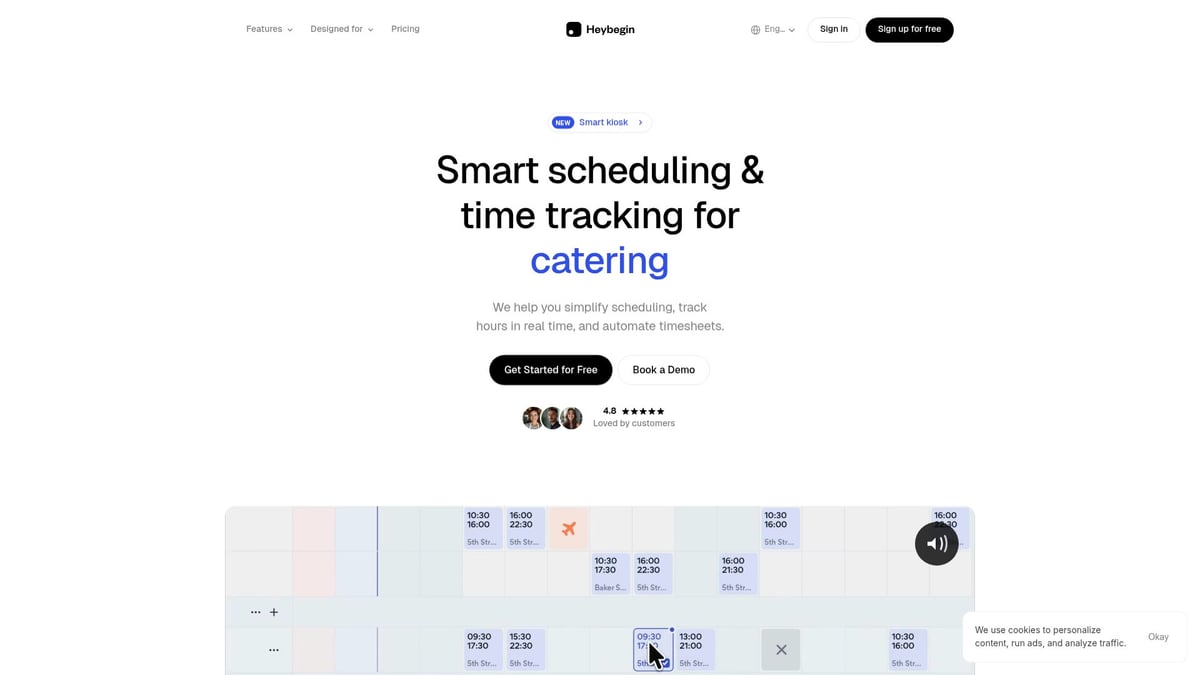
Unique features include automated timesheets, break management, and seamless payroll integration. According to customer feedback, Heybegin users report a 10 percent reduction in labor costs and higher staff satisfaction. For a tailored solution, see Overtime Tracking for Restaurants.
Whether you run a single café or manage multiple locations, Heybegin’s scalable platform adapts to your needs.
Case Studies: Real-World Impact in the Hospitality Industry
Restaurants and cafes using digital overtime tracking have achieved streamlined payroll, improved compliance, and happier staff. For example, a café owner who switched from manual logs to digital tracking saw a 20 percent reduction in payroll errors and faster scheduling.
An HR manager at a hotel chain reported that staff appreciated the transparency and mobile access, leading to fewer disputes and improved retention. These real-world examples highlight measurable gains in efficiency and workforce morale.
Comparing Pricing Models and ROI
Overtime tracking software is typically priced per user per month, with most leading options offering free trials. ROI comes from reduced labor costs, fewer payroll errors, and significant time saved on administration.
A simplified overview:
Pricing Model | Typical Cost | ROI Factors |
|---|---|---|
Per user, per month | $3–$8 | Reduced errors, time saved |
Tiered by location | $20–$100/location | Lower compliance risk |
Free trial | 14–30 days | Test before committing |
Avoiding Common Pitfalls in Software Adoption
To maximize the benefits of overtime tracking, avoid underinvesting in staff training or overlooking ongoing support. Successful adoption depends on clear onboarding, regular updates, and a responsive helpdesk.
Staying engaged with your software provider ensures your system evolves with business needs and changing regulations.
Overtime Tracking Best Practices for 2026: Compliance, Efficiency, and Employee Well-being
Modern overtime tracking is more than just logging hours; it is a strategic tool for compliance, operational efficiency, and staff happiness. For restaurants, hotels, bakeries, and cafes, adopting best practices ensures smoother workflows and lasting success.
Ensuring Legal Compliance and Accurate Record-Keeping
Staying compliant with evolving labor regulations is crucial in hospitality. Automated alerts in overtime tracking software help managers avoid costly violations. With updates like the DOL overtime eligibility threshold update, it is vital to monitor eligibility and keep precise records. Digital tools simplify audits and payroll reviews, reducing the risk of errors.
Balancing Productivity and Employee Wellness
Efficient overtime tracking supports balanced schedules and fair workload distribution. Features like automated break reminders, found in top platforms, help staff take required breaks, preventing fatigue. For example, restaurants can set alerts for a 30-minute break after six hours, promoting both compliance and well-being.
Leveraging Analytics for Continuous Improvement
Data-driven overtime tracking enables managers to spot patterns and optimize staffing. Analytics dashboards reveal peak hours and highlight where labor is overused. Insights from reports, such as the Hotel labor efficiency report 2025, show how industry leaders reduce excess overtime and improve cost management.
Fostering Transparency and Trust with Staff
Open communication about overtime tracking builds trust. Sharing policies and real-time reports with employees through mobile apps fosters transparency. Staff can view their hours instantly, reducing payroll disputes and improving morale. Positive feedback from team members is common when they feel informed and valued.
Adapting to Flexible and Remote Work Environments
Hospitality businesses are increasingly supporting mobile and remote teams. Overtime tracking solutions with GPS verification and mobile clock-in features ensure accurate records for offsite staff. Whether staff are catering events or working across locations, these tools maintain oversight without adding complexity.
Future-Proofing Your Overtime Strategy
To stay ahead, choose overtime tracking software that evolves with your business. Scalable solutions, regular updates, and integration with new technologies keep your processes resilient. Reviewing overtime policies and leveraging industry analytics help your restaurant, hotel, or cafe adapt to changing workforce trends and expectations.
After exploring the latest strategies for mastering overtime and time management in service industries, you can see how the right tools make all the difference. If you’re ready to simplify scheduling, track hours accurately, and reduce labor costs in your restaurant or café, there’s no better time to take action. With Heybegin’s smart platform, you gain real-time insights, automated timesheets, and peace of mind around compliance—all tailored for the unique needs of hospitality businesses. Join others who are already streamlining operations and supporting happier teams.
Try Heybegin for Free