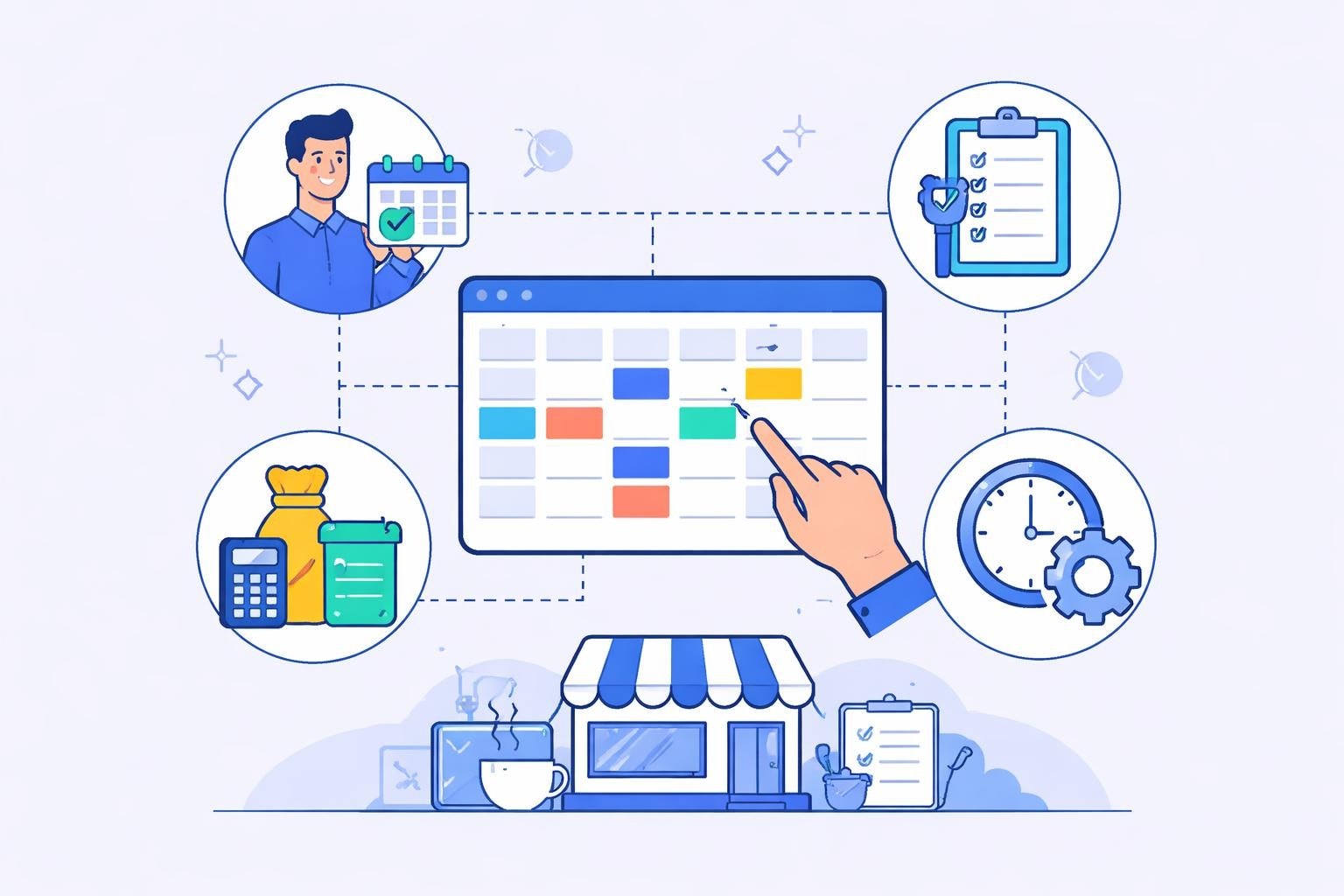
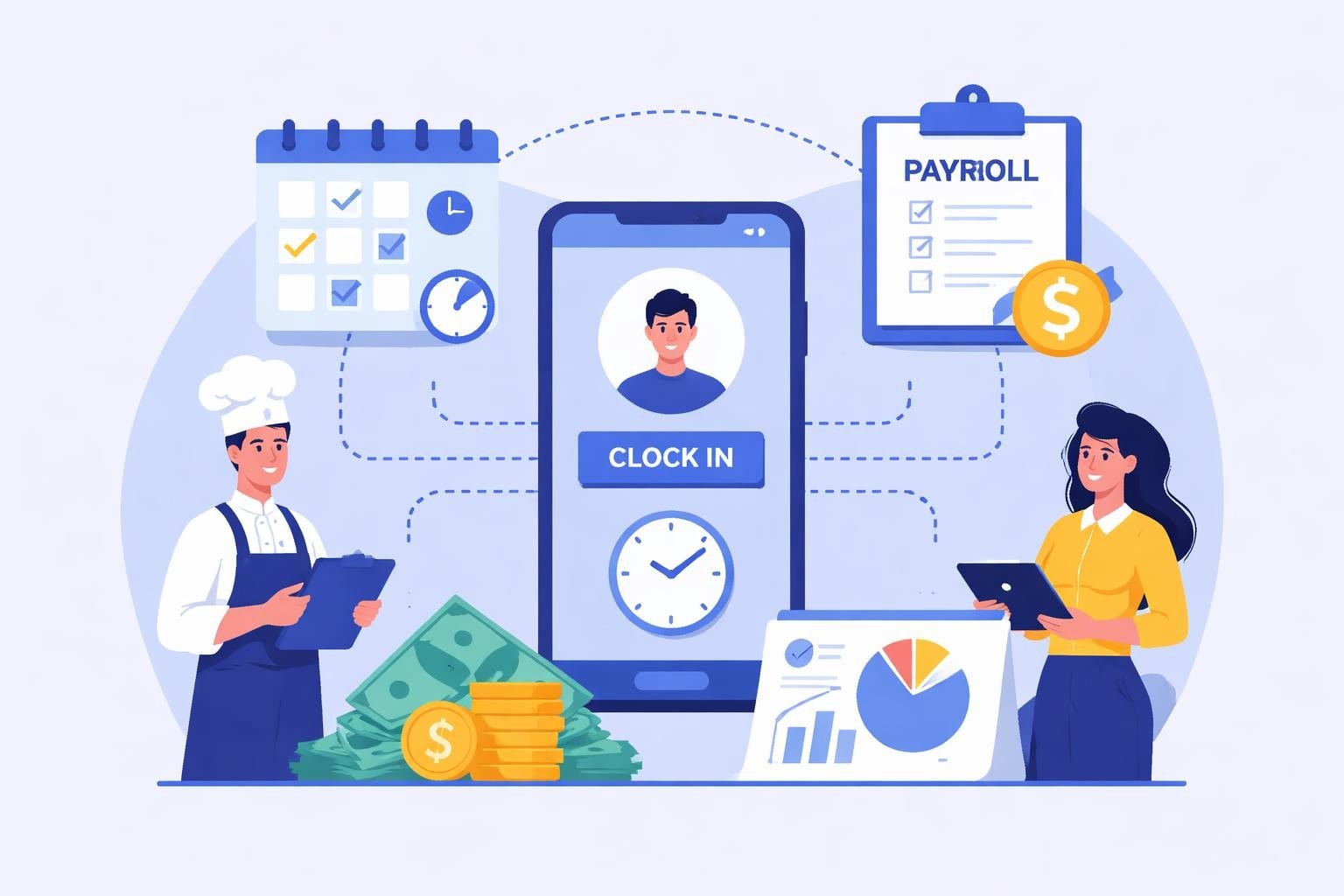
Shift Swapping Guide: Master Workplace Flexibility in 2026
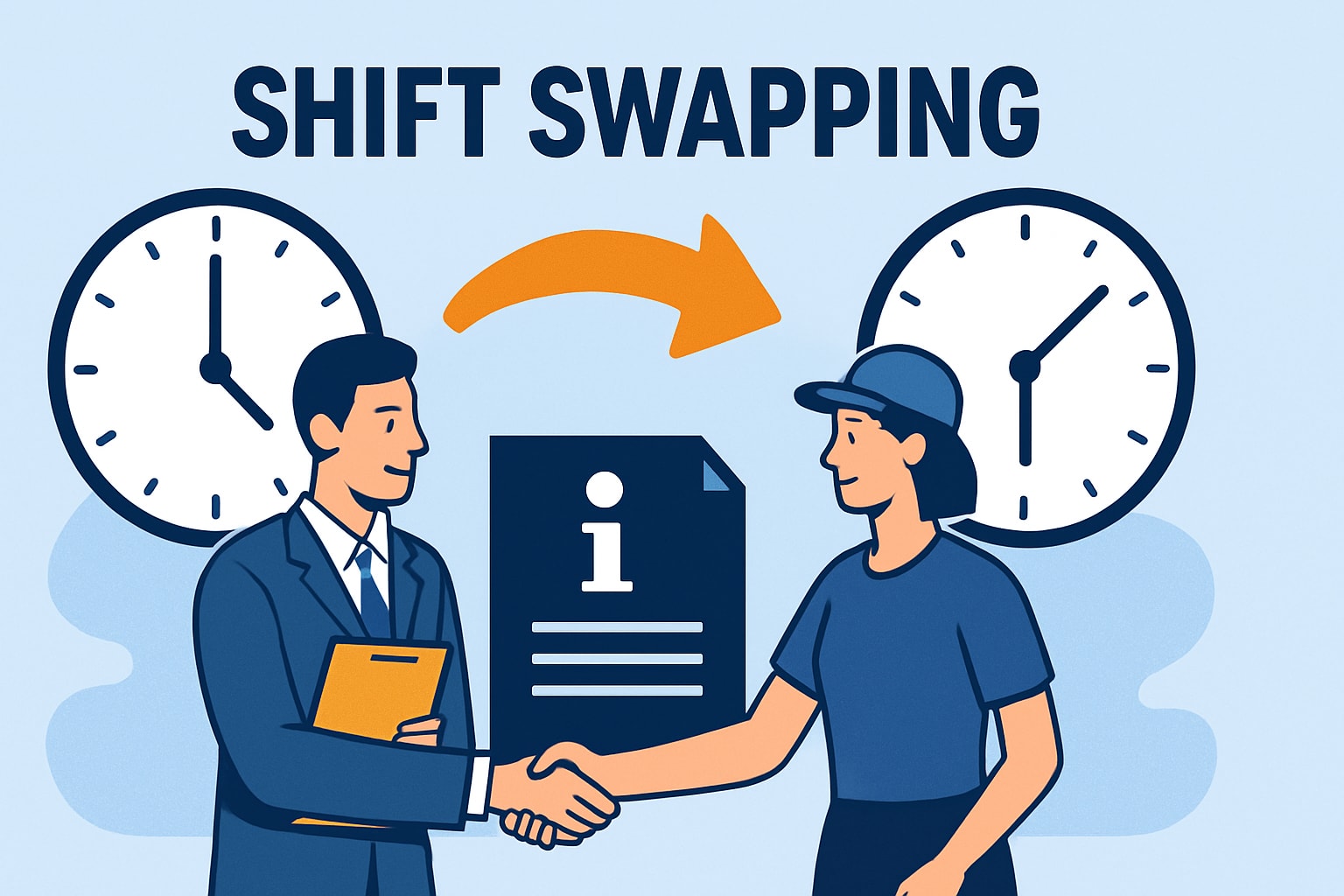
Master shift swapping in 2026 with this expert guide Explore benefits, step by step processes, policy essentials, tech solutions, and future workplace trends
Flexible work arrangements are no longer a luxury; they are a necessity for businesses and employees alike. As organizations adapt to post-pandemic realities, shift swapping has emerged as a cornerstone of workplace flexibility in 2026.
This guide is designed to help both employers and employees master shift swapping, unlocking greater flexibility, productivity, and job satisfaction. Imagine a nurse trading shifts to attend a family milestone or a barista adjusting their schedule for academic commitments—these real-world scenarios highlight the power of effective shift swapping.
Inside, you will find everything you need: what shift swapping is, its benefits, a practical step-by-step process, essentials for policy development, the latest technology solutions, and future trends. Ready to transform your approach and empower your team? Let’s get started.
Understanding Shift Swapping: Definition and Evolution
Shift swapping has become a vital tool for modern workplaces aiming to boost flexibility. At its core, shift swapping is the process where employees exchange their scheduled shifts with one another, often to accommodate personal needs or emergencies. This practice is especially common in service industries such as restaurants, retail, and healthcare, where coverage needs can change quickly.
There are two main types of shift swapping: ad hoc swaps, which happen occasionally and are usually based on immediate needs, and recurring shift trades, which follow a pattern over time. While both approaches offer flexibility, companies must ensure swaps comply with legal and HR standards, including tracking hours and maintaining fair labor practices. According to Coast, more than 10,000 businesses already use shift swap features, highlighting its widespread adoption. For a deeper dive into the mechanics and management tips, see Shift Swapping: How It Works & Tips To Manage.
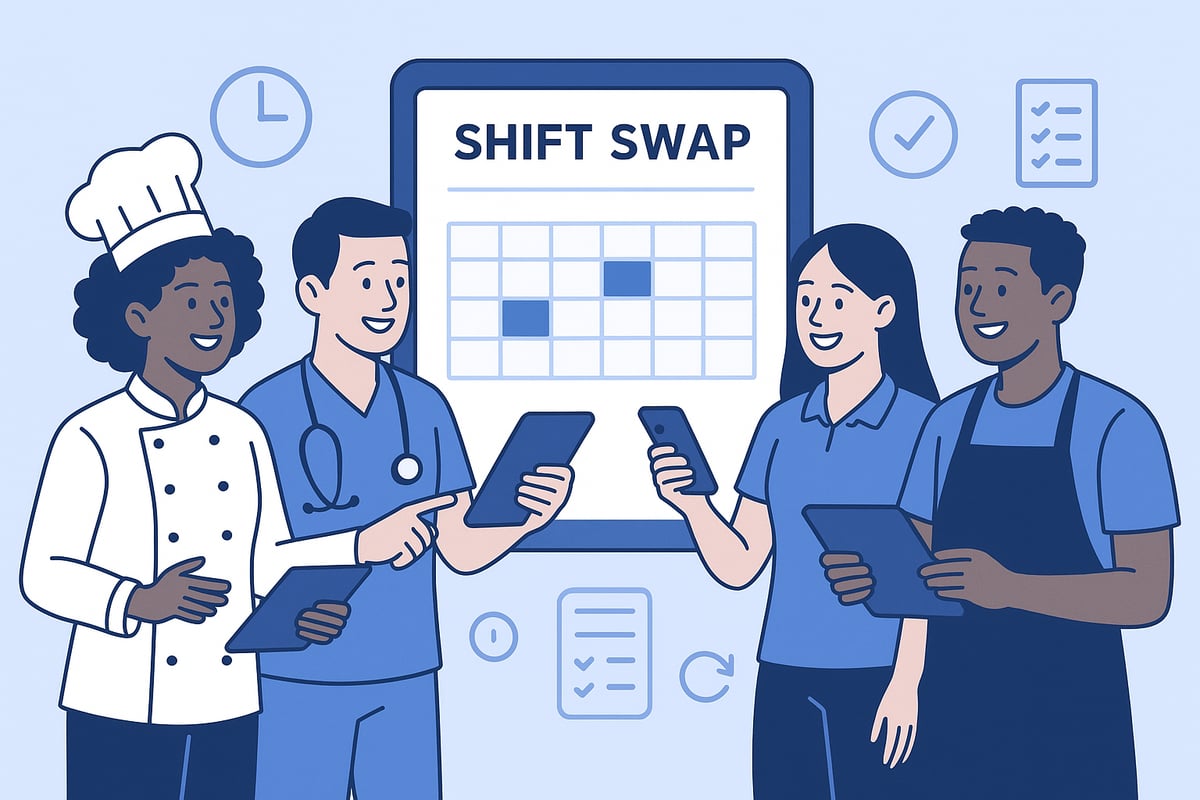
The Evolution of Shift Swapping (2020–2026)
Over the past several years, shift swapping has transformed from manual processes to streamlined digital solutions. In 2020, employees often relied on paper sign-up sheets, phone calls, or group texts to coordinate swaps. This made tracking and approvals cumbersome for managers. The global shift toward remote work and the impact of COVID-19 accelerated the need for more flexible, employee-driven scheduling.
By 2026, digital platforms have become the norm, allowing staff to propose, approve, and track swaps in real time. These tools offer transparency, audit trails, and compliance checks, making it easier for businesses to manage large teams. In fact, Coast reports a 23% reduction in overtime costs for organizations using scheduling software. Industries like hospitality and healthcare have especially benefited, with teams now able to quickly coordinate coverage and ensure critical roles are always filled.
Key Terms and Concepts You Need to Know
Understanding shift swapping requires familiarity with several related concepts. Shift bidding lets employees compete for open shifts, while coverage requests involve asking others to fill in when availability changes. Availability management is the ongoing process of updating when employees can work, ensuring swaps align with both personal and operational needs.
There are two main approval models: manager approval, where swaps require supervisor sign-off, and peer-to-peer swaps, which let employees coordinate directly. Clear and timely communication is essential, especially when policies differ for part-time and full-time staff. For example, some companies allow only full-time staff to swap within their role, while part-timers may have more flexibility.
Consider this practical scenario: a barista needs to attend a family event and requests to swap an evening shift for a morning one. With shift swapping, both coverage and personal commitments are balanced, supporting a flexible and resilient workplace.
The Benefits of Shift Swapping for Businesses and Employees
Flexibility is now a cornerstone of the modern workplace, and shift swapping is emerging as a vital tool for both employers and employees. By allowing team members to exchange shifts, organizations can meet dynamic staffing needs while supporting individual preferences. Let us explore how shift swapping delivers tangible benefits across the board.
Enhanced Flexibility and Work-Life Balance
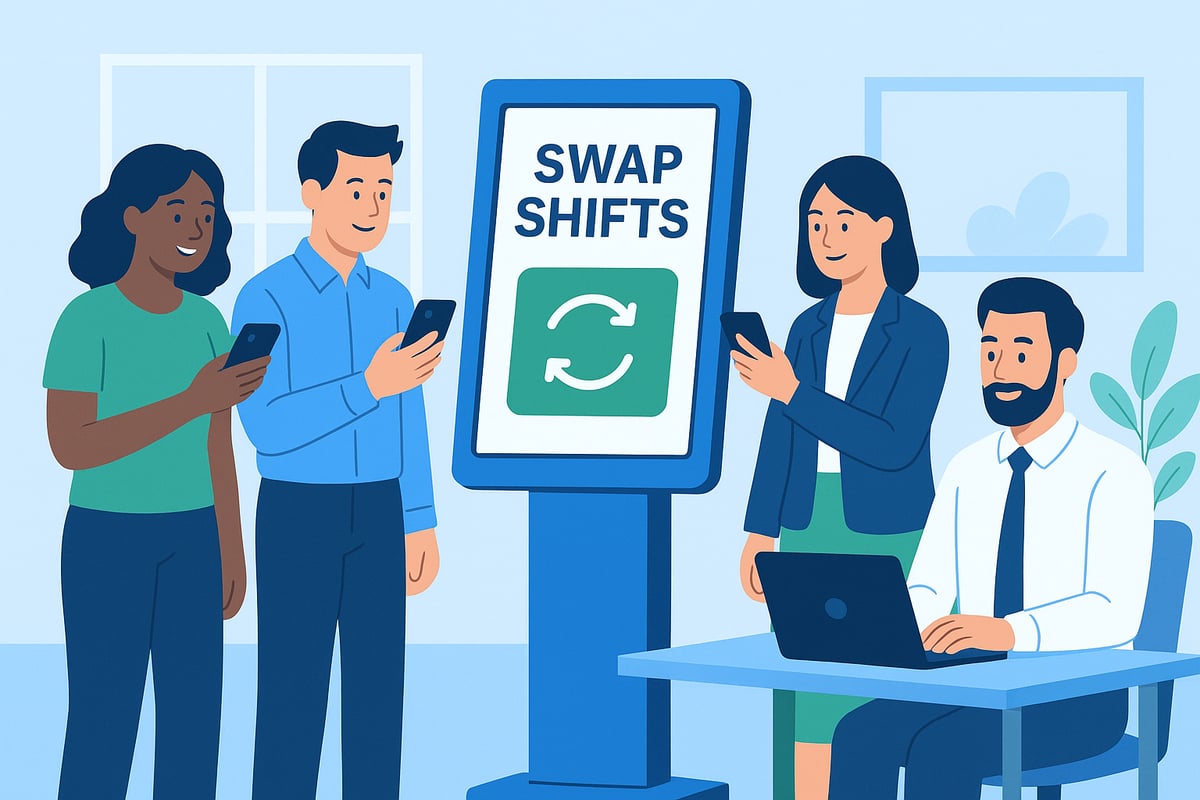
Shift swapping empowers employees to tailor their schedules around personal commitments, creating a healthier work-life balance. For example, a parent can swap a weekend shift to attend a child’s recital, while a student exchanges shifts to accommodate exam dates. This flexibility reduces absenteeism and minimizes last-minute callouts, ensuring smoother operations.
According to Employee scheduling features overview, effective scheduling tools make shift swapping even more accessible, promoting a supportive workplace culture. With these solutions, employees gain more autonomy and managers can respond quickly to staffing changes.
Increased Employee Engagement and Retention
When employees have a say in their schedules through shift swapping, they feel more empowered and trusted. This sense of control over work hours boosts job satisfaction and morale across teams.
Organizations that embrace shift swapping often see improved retention rates, as employees are less likely to seek opportunities elsewhere. In fact, shift swapping is frequently cited as a top strategy for keeping valued staff engaged and committed.
Operational Efficiency and Cost Savings
Shift swapping streamlines workforce management by reducing scheduling conflicts and unplanned absences. Fewer disruptions mean less reliance on overtime or hiring temporary staff to fill gaps.
Companies implementing shift swapping have reported a 23% decrease in overtime costs, demonstrating the financial impact of flexible scheduling. These savings translate into more predictable budgets and improved resource allocation for businesses of all sizes.
Improved Team Collaboration and Coverage
A culture of shift swapping encourages teamwork and mutual support. Employees coordinate swaps to ensure all critical roles are always covered, which is especially vital in sectors like healthcare or hospitality.
For example, hospital staff regularly use shift swapping to maintain 24/7 coverage, collaborating to ensure patient care is never compromised. This cooperative approach strengthens relationships among colleagues and reinforces a sense of shared responsibility.
Step-by-Step Guide to Effective Shift Swapping in 2026
Navigating shift swapping in 2026 requires a structured approach and the right tools. By following a clear process, both employees and employers can maximize flexibility, ensure compliance, and maintain smooth operations. Here is a practical, step-by-step guide to effective shift swapping.
Step 1: Know Your Company’s Shift Swapping Policy
Before initiating any shift swapping, always review your employer’s official policies. Understand who is eligible to participate, which roles are swap-friendly, and what documentation or approvals are required.
Many organizations now outline their procedures in digital handbooks or on scheduling platforms. For tips on establishing and managing effective shift swapping policies, see Managing and Minimizing Shift Trading.
Familiarize yourself with timelines for requests and any restrictions on frequency or last-minute swaps.
Step 2: Identify Swap Opportunities and Communicate
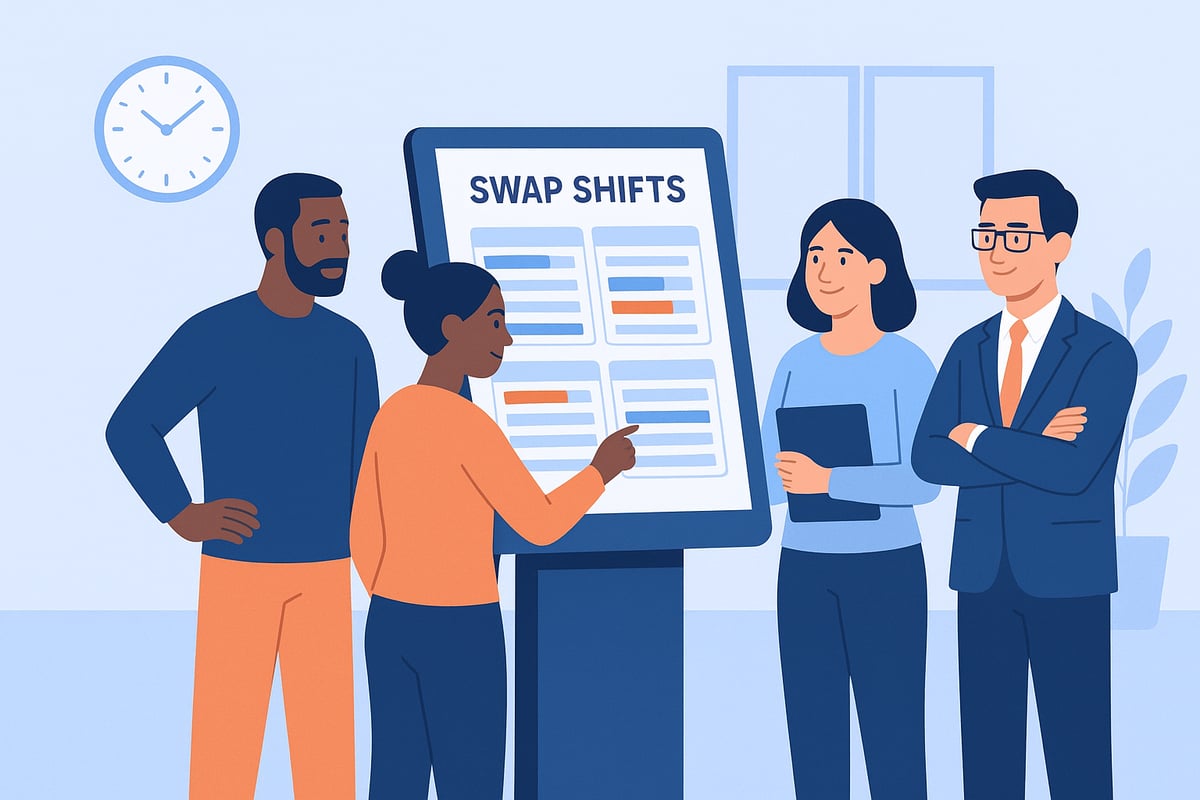
Once you understand the rules, look for suitable swap opportunities. Use your company’s digital scheduling platform or internal messaging tools to post availability or request a trade.
Effective shift swapping relies on clear communication. Notify your manager and teammates as soon as you intend to swap. Be proactive in sharing your reasons and confirming mutual agreement with your swap partner.
Step 3: Match Skills and Compliance Requirements
Not every employee can cover every shift. When considering shift swapping, ensure both parties possess the necessary skills and certifications for the role.
Compliance is essential. Double-check that the swap aligns with labor laws, union contracts, and any minimum rest requirements. Keeping these factors in mind will prevent operational disruptions and legal issues.
Step 4: Submit and Approve the Swap Request
After confirming a suitable swap, submit the request through your organization’s scheduling software. Digital tools help maintain transparency and keep records for future reference.
Approval may be needed from a supervisor or HR. Wait for official confirmation before assuming the swap is finalized. This step protects both employees and the business from scheduling errors.
Step 5: Confirm and Document the Swap
Once approved, review the updated schedule to ensure the shift swapping change is reflected. Save any confirmation emails or screenshots for payroll and compliance purposes.
Proper documentation helps resolve any potential disputes. By keeping a record, you help maintain accuracy in time tracking and support transparent operations.
Step 6: Follow-Up and Provide Feedback
After the shift swap has occurred, check in with your swap partner and manager. Was the process smooth? Did both employees feel supported?
Offering feedback can help refine your company’s shift swapping process. Suggest improvements or highlight what worked, contributing to a culture of continuous improvement.
Crafting Effective Shift Swapping Policies: Best Practices for 2026
Building a robust shift swapping policy is crucial for fostering workplace flexibility and maintaining operational excellence. Well-crafted policies empower employees while protecting business interests, ensuring that every swap supports both team satisfaction and compliance.
Elements of a Strong Shift Swapping Policy
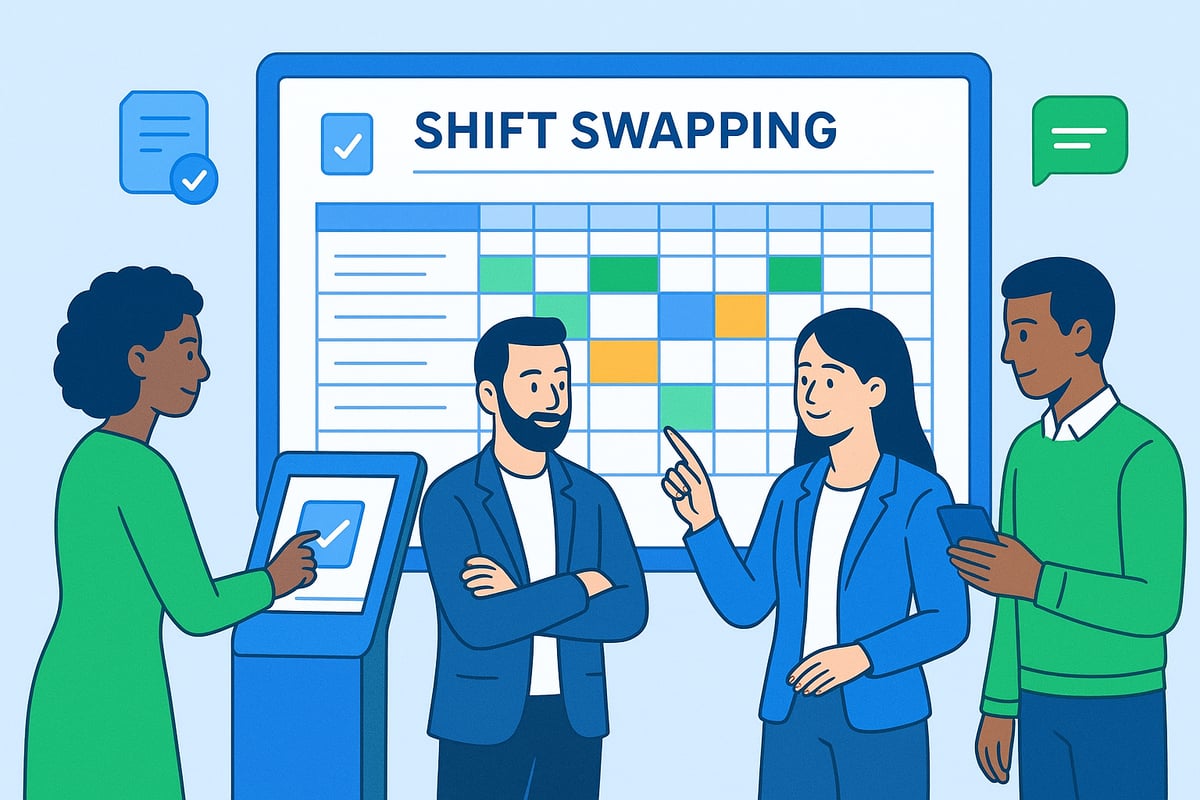
A comprehensive shift swapping policy should outline clear eligibility criteria, approval steps, and required notice periods. Define which roles are eligible and how far in advance swaps must be requested, such as 24 to 48 hours before a shift. Set guidelines for matching skills and certifications to ensure business continuity.
For a deeper dive into setting up effective procedures, review these Shift Swapping Policies and Best Practices to establish a foundation that supports both staff and management needs.
Ensuring Fairness and Transparency
Transparency is essential to equitable shift swapping. Establish systems to track how often swaps occur and who participates. This prevents favoritism and ensures no employee is unfairly burdened.
Leverage scheduling software to automate swap tracking and generate reports. This approach maintains visibility and fairness, reinforcing trust in your shift swapping process.
Communication and Training for All Staff
Consistent communication about shift swapping rules is vital. Train employees and managers on digital tools and policy updates.
Conduct regular sessions to address questions and clarify procedures. This proactive approach ensures everyone understands how to swap shifts responsibly and supports a smooth workflow.
Legal, Compliance, and Safety Considerations
A sound shift swapping policy aligns with labor laws, overtime requirements, and union agreements. Ensure all swaps comply with local regulations and internal standards.
Consider the health and safety impact of shift changes. For example, avoid scheduling back-to-back shifts that could lead to fatigue. By addressing these aspects, your shift swapping policy safeguards both employees and the organization.
Monitoring and Continuous Improvement
Regularly review how shift swapping is affecting your workplace. Gather feedback from staff and supervisors, then use this input to refine policies.
Monitor data on swap frequency, absenteeism, and coverage gaps. For instance, quarterly reviews in a retail chain can reveal trends and areas for improvement. This ensures your policy evolves with business needs and employee expectations.
Leveraging Technology: The Role of Scheduling Software in Shift Swapping
The landscape of shift swapping has been transformed by the rise of digital scheduling platforms. In 2026, businesses rely on sophisticated tools that streamline every aspect of the process. Leading solutions offer mobile-friendly interfaces, allowing employees to request, propose, or accept swaps on the go. Real-time notifications, automated approvals, and clear visibility into shift coverage have made shift swapping a standard practice in industries like hospitality and healthcare.
These platforms also include features such as shift alerts, customizable approval workflows, and seamless integration with payroll systems. By digitizing shift swapping, companies minimize manual errors and create a more transparent scheduling environment.
Digital Platforms Transforming Shift Swapping
Modern scheduling software has revolutionized shift swapping, making it more accessible and reliable. Employees can now swap shifts using apps or web platforms, eliminating the confusion of paper schedules or group texts. Features like live notifications and manager dashboards ensure that every swap is tracked and approved efficiently.
Many businesses in the restaurant and retail sectors have adopted these systems to support high-volume shift swapping. Automated reminders and easy access to upcoming shifts help prevent missed work and last-minute absences.
Benefits of Automation and Integration
Automation has reduced the administrative workload for managers, freeing up time for strategic tasks. Integration with payroll and compliance tools ensures that every shift swapping transaction is logged accurately, reducing errors and disputes.
According to recent data, companies utilizing digital scheduling solutions have reported up to a 10 percent reduction in overall labor costs. This measurable improvement highlights the value of investing in integrated shift swapping technology.
Heybegin: Smart Scheduling for Hospitality Shift Swapping
Heybegin delivers a tailored solution for hospitality teams, supporting real-time shift swapping through its intuitive mobile app and smart kiosk. Employees can initiate swaps, view available shifts, and communicate instantly, while managers maintain oversight and approve requests as needed.
For venues seeking a seamless, in-person experience, the Smart kiosk for shift swaps enables staff to exchange shifts and confirm changes on site, without paperwork or confusion. This combination of flexibility and control helps hospitality businesses optimize coverage and reduce labor costs.
Security, Privacy, and Data Management
Protecting employee data during shift swapping is essential. Leading scheduling platforms use encrypted communications and secure databases to safeguard sensitive information. Audit trails allow businesses to track every swap for payroll accuracy, compliance, and dispute resolution, ensuring a safe and trustworthy process for all users.
Future Trends: The Next Generation of Workplace Flexibility
The future of shift swapping is shaped by rapid advances in technology, wellness integration, and evolving workplace expectations. Organizations are rethinking how they approach flexibility, with a focus on data-driven insights, employee autonomy, and cross-industry innovation.
AI and Predictive Scheduling
Artificial intelligence is transforming shift swapping by analyzing employee skills, availability, and business demand in real time. Predictive scheduling tools recommend optimal swaps, reducing the risk of understaffing or excessive overtime. As a result, businesses can anticipate scheduling gaps and empower teams to resolve them proactively.
Integration with Employee Wellness Initiatives
Shift swapping is increasingly linked to employee wellness programs. Companies encourage staff to exchange shifts for mental health days or personal time, supporting work-life balance. For example, a nurse might swap a shift to avoid burnout, while another employee uses a swap to attend a wellness workshop.
Cross-Industry Adoption and Customization
While hospitality and healthcare have led the way, shift swapping is expanding into logistics, education, and more. Industry-specific rules and compliance requirements are now built into modern scheduling platforms. Explore how Solutions for restaurants and cafes tailor shift swapping for unique operational needs, making flexibility accessible across sectors.
The Rise of Employee-Driven Scheduling
Employee-driven scheduling is gaining traction, with peer-to-peer shift swapping becoming standard. Staff have greater autonomy to adjust their work patterns, fostering trust and accountability. Digital platforms streamline the process, enabling quick swaps with minimal managerial intervention.
Data-Driven Policy Optimization
Organizations are leveraging analytics to refine shift swapping policies. Real-time data highlights trends in swaps, employee engagement, and productivity. By using insights from resources like Shift Swaps & Open Shifts — Policy, Setup & Best Practices, companies continually adapt their strategies for better outcomes.
As you look to master workplace flexibility in 2026, embracing efficient shift swapping isn’t just a trend—it’s a proven strategy for happier teams and stronger business results. We’ve explored how real-time scheduling, clear policies, and digital tools can empower your staff and streamline operations. If you’re ready to simplify scheduling and give your team more control, I encourage you to see how easy it can be with Heybegin’s smart platform. You can experience firsthand how seamless shift swaps and automated timesheets help reduce labor costs and boost efficiency.
Try Heybegin for Free