Guide to Building a Smart Restaurant Experience in 2026
Discover how to build a smart restaurant in 2026 with the latest technologies, practical steps, and proven strategies to enhance operations and delight guests.
Imagine walking into a restaurant in 2026, where every detail feels tailored to you and every interaction is effortless. Cutting-edge technology, from digital menus to AI-driven service, shapes a new era of dining.
This guide will show you how to build a smart restaurant that not only delights guests but also streamlines daily operations and prepares your business for the future.
Discover the essential technologies powering this transformation, step-by-step strategies for implementation, and the benefits smart solutions bring to both operators and customers. Real-world examples and actionable insights will help you stay ahead in the rapidly evolving food service landscape. Are you ready to create a dining experience that stands out in the digital age?
The Evolution of Smart Restaurants: Trends and Drivers
Imagine a dining environment where technology seamlessly enhances every interaction. In 2026, the definition of a smart restaurant has evolved far beyond simple digital menus or online reservations. Today’s smart restaurant experience is built on the integration of advanced tools like IoT devices, AI-driven analytics, robotics, and digital signage. These elements work together to create customer-centric, efficient, and data-driven operations. The shift from traditional models to tech-forward dining is evident, with 26% of food businesses identifying as tech-forward after the pandemic (Panasonic, 2020). Digital transformation has set new standards, raising consumer expectations for smarter, more responsive service.
Defining the Smart Restaurant Experience
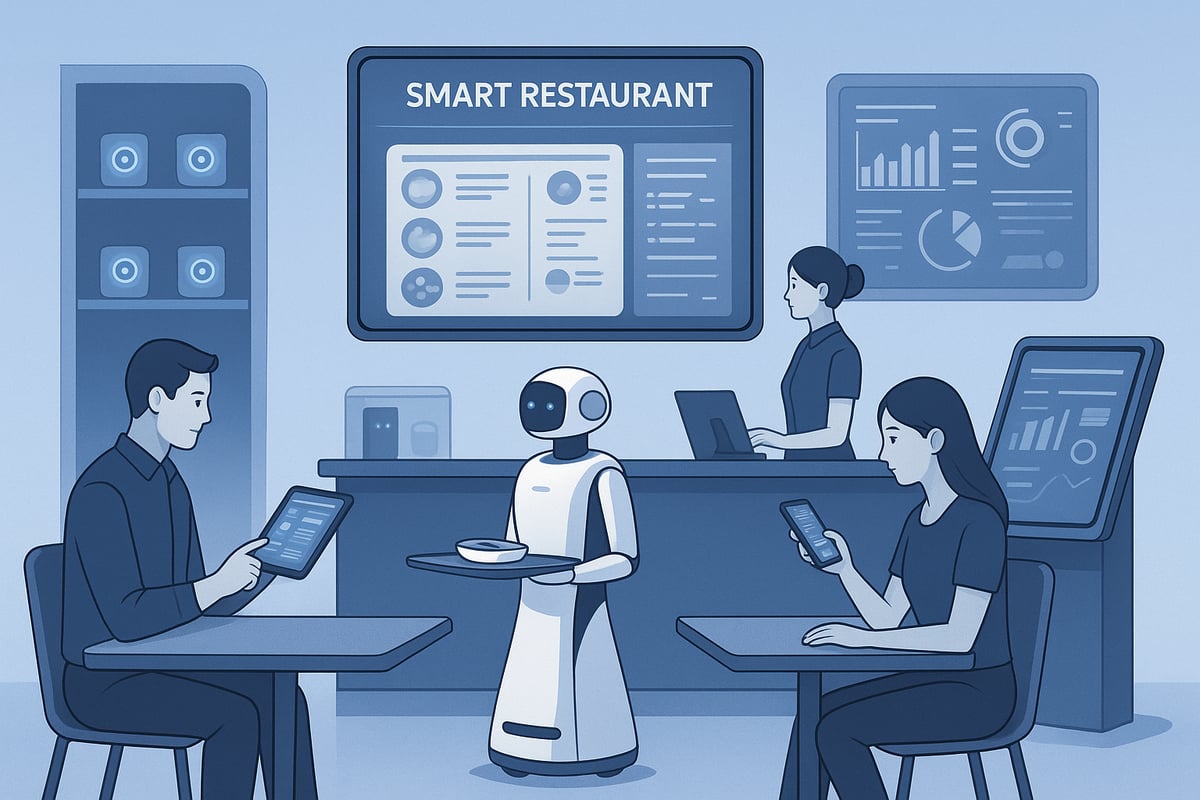
A smart restaurant in 2026 is defined by its ability to blend cutting-edge technology with personalized hospitality. The core concept centers on seamless integration of IoT sensors, artificial intelligence, robotics, and digital displays throughout the dining journey. This transformation is not just about gadgets but about creating a more intuitive, responsive, and enjoyable experience for guests and staff alike. The industry is witnessing a dramatic shift from traditional dining rooms to tech-enabled environments that prioritize efficiency and data-driven decision-making. According to Digital Transformation in the Restaurant Industry Statistics, digital adoption is accelerating, with operators leveraging technology to meet rising customer expectations in the smart restaurant landscape.
Key Trends Shaping the Industry
Several key trends are propelling the smart restaurant movement forward:
Contactless and mobile-first experiences are now standard.
Guests expect real-time personalization and convenience.
Automation and robotics are increasingly used for both kitchen and front-of-house tasks.
Digital ordering and payment options are widely available.
Sustainability and operational efficiency have become central goals.
For example, 79% of customers now prefer ordering via kiosks rather than human staff (Square, 2021). Smart restaurant operators are responding by investing in these technologies to streamline operations and delight guests.
Consumer Expectations in 2026
Consumers in 2026 expect every smart restaurant visit to be seamless, fast, and safe. Digital menus, loyalty rewards, and transparent information are now table stakes. Guests value the ability to customize orders and receive interactive engagement through apps or digital signage. Data-driven personalization delivers tailored recommendations and exclusive offers, creating memorable experiences. Technology plays a critical role in building trust, as digital menu boards alone can increase in-store sales by $16,000 per year (Presto, 2021). As these expectations grow, the smart restaurant must continuously innovate to earn loyalty and stay ahead in a rapidly evolving market.
Core Technologies Powering Smart Restaurants
The foundation of a smart restaurant relies on a tightly integrated set of advanced technologies. These tools transform how guests order, how kitchens operate, and how managers make decisions. By strategically implementing these innovations, operators can create seamless, efficient, and memorable dining experiences that set their smart restaurant apart.
Self-Service Ordering Kiosks and Mobile Apps
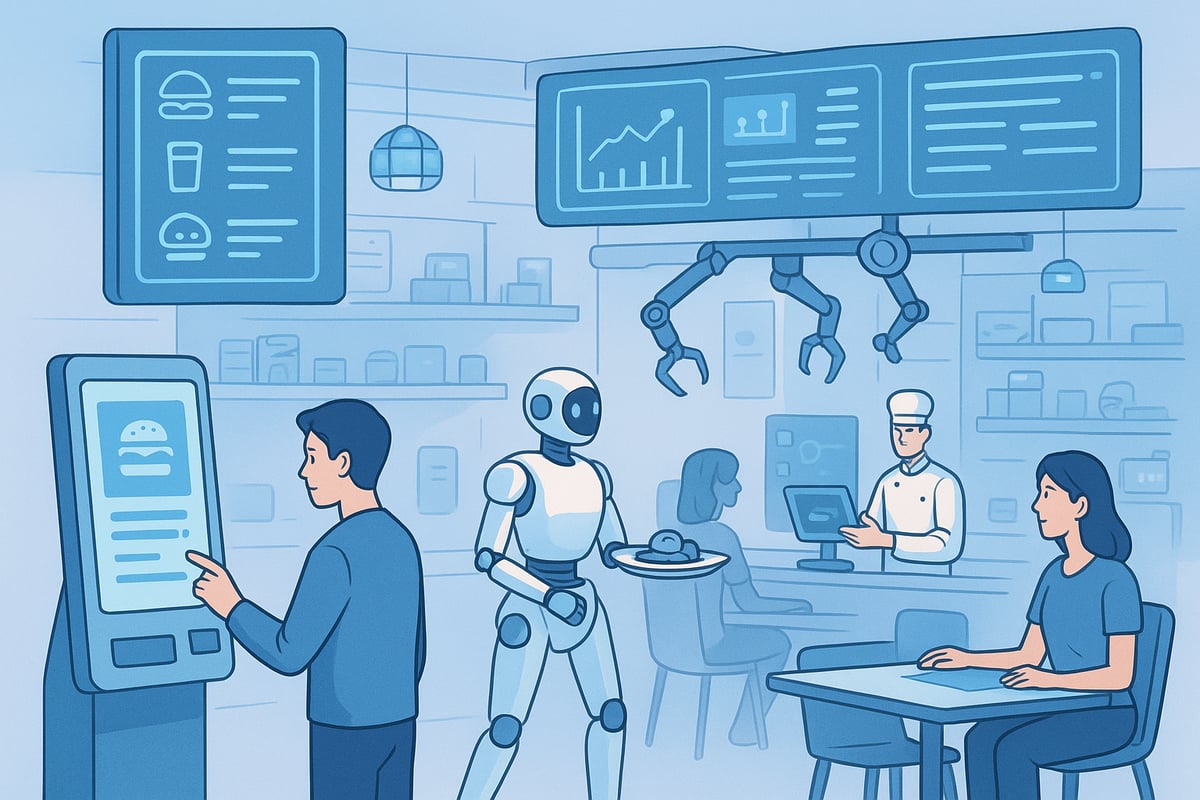
Self-service ordering kiosks and mobile apps are central to the smart restaurant experience. These solutions empower guests to browse interactive menus with vivid images, detailed nutrition facts, and full customization options.
With integrated loyalty programs and real-time promotions, guests can earn rewards and access personalized offers instantly. Digital ordering not only reduces wait times but also streamlines payment, minimizing friction at every step. In fact, 79% of customers now prefer digital ordering kiosks over human staff, highlighting their growing importance.
For operators seeking to enhance efficiency, Self-Service Kiosk Technology provides a robust foundation for transforming the guest journey in a smart restaurant.
Robotics and Automation in FOH & BOH
Robotics and automation have become game changers in both front-of-house (FOH) and back-of-house (BOH) operations. In a smart restaurant, robots handle food preparation, plate delivery, and even cleaning tasks, ensuring accuracy and speed.
Robotic arms assist with repetitive kitchen duties such as dishwashing or ingredient assembly, improving consistency across meals. Automated inventory management systems keep pantry supplies optimized, while staff can focus on guest-facing roles that add value. This shift enables the smart restaurant to maintain high service standards and control labor costs.
IoT Devices and Smart Sensors
IoT devices and smart sensors bring real-time visibility to every aspect of a smart restaurant. These tools continuously monitor kitchen equipment performance, track inventory via smart shelves, and ensure food safety with digital labels.
Managers receive instant alerts for predictive maintenance, reducing downtime and preventing costly breakdowns. Energy usage is optimized, supporting sustainability initiatives. Data collected from these devices allows the smart restaurant to fine-tune operations for maximum efficiency and guest satisfaction.
Digital Signage and Display Solutions
Dynamic digital signage is a hallmark of the modern smart restaurant. Interactive menu boards and digital displays showcase promotions, update pricing, and communicate wait times in real time.
Restaurants can quickly highlight specials, share allergen information, and upsell high-margin items, all while reinforcing brand identity. Digital menus are proven to increase in-store sales and reduce printing costs. By enhancing engagement and communication, digital signage elevates the overall smart restaurant experience.
Step-by-Step Guide to Building a Smart Restaurant in 2026
Transforming your business into a smart restaurant in 2026 requires a thoughtful, phased approach. By following these steps, you can align technology with your goals, boost guest satisfaction, and future-proof your operations.
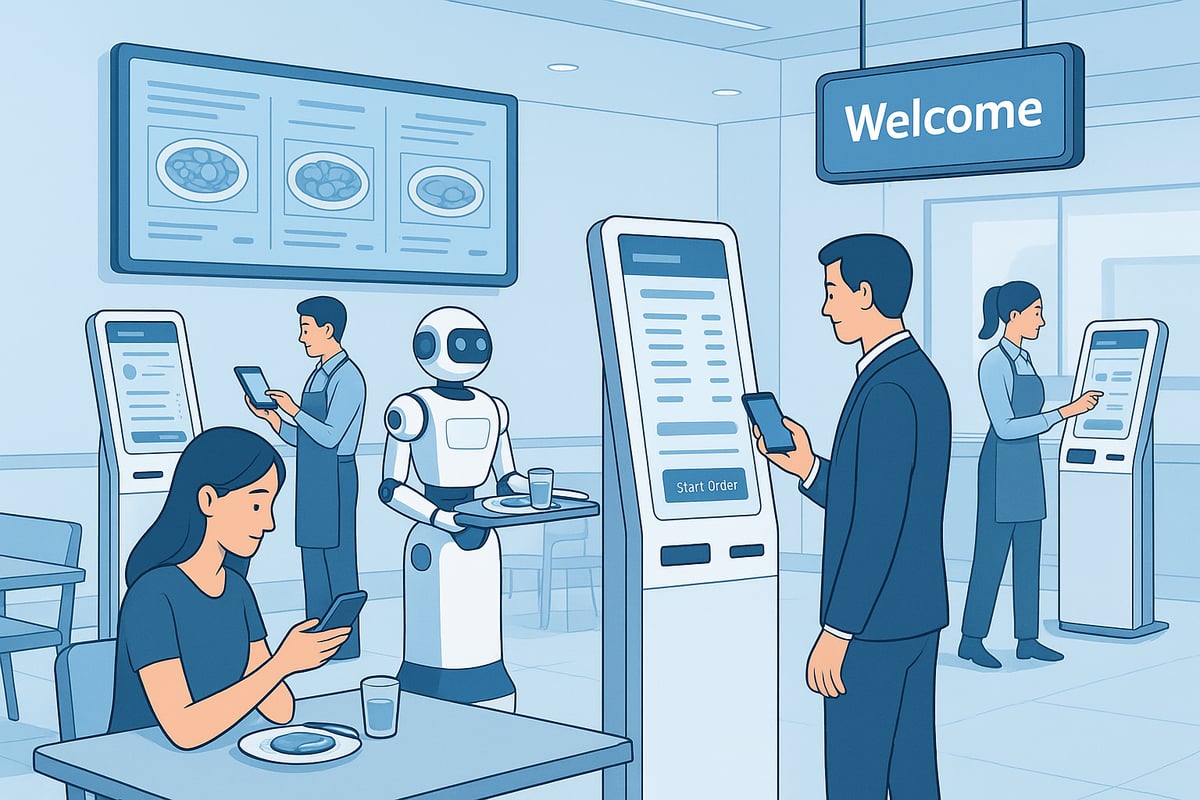
Step 1: Assess Your Restaurant’s Needs and Goals
Start by evaluating where your smart restaurant stands today. Audit current workflows, customer touchpoints, and pain points across ordering, service, and payment.
Define your objectives for adopting smart restaurant solutions. Are you aiming to increase efficiency, enhance guest experience, or drive revenue growth? Identify any gaps in your technology stack or staff skills that could impact the transition.
Set measurable KPIs for your smart restaurant journey, such as faster order times, higher guest satisfaction, or reduced labor costs. This foundation ensures every tech investment aligns with your strategic vision.
Step 2: Select and Integrate Core Technologies
Choose the right technology mix to power your smart restaurant. Evaluate solutions like kiosks, POS systems, robotics, IoT devices, and digital signage. Focus on scalable platforms that can grow with your business and integrate seamlessly with each other.
Prioritize technologies based on your business goals and what your customers expect from a smart restaurant experience. For a deeper dive into tailored solutions, explore Smart Solutions for Restaurants to see which options best fit your needs.
Integrate core technologies thoughtfully, ensuring a smooth rollout that supports both staff and guests.
Step 3: Optimize Workforce Management and Scheduling
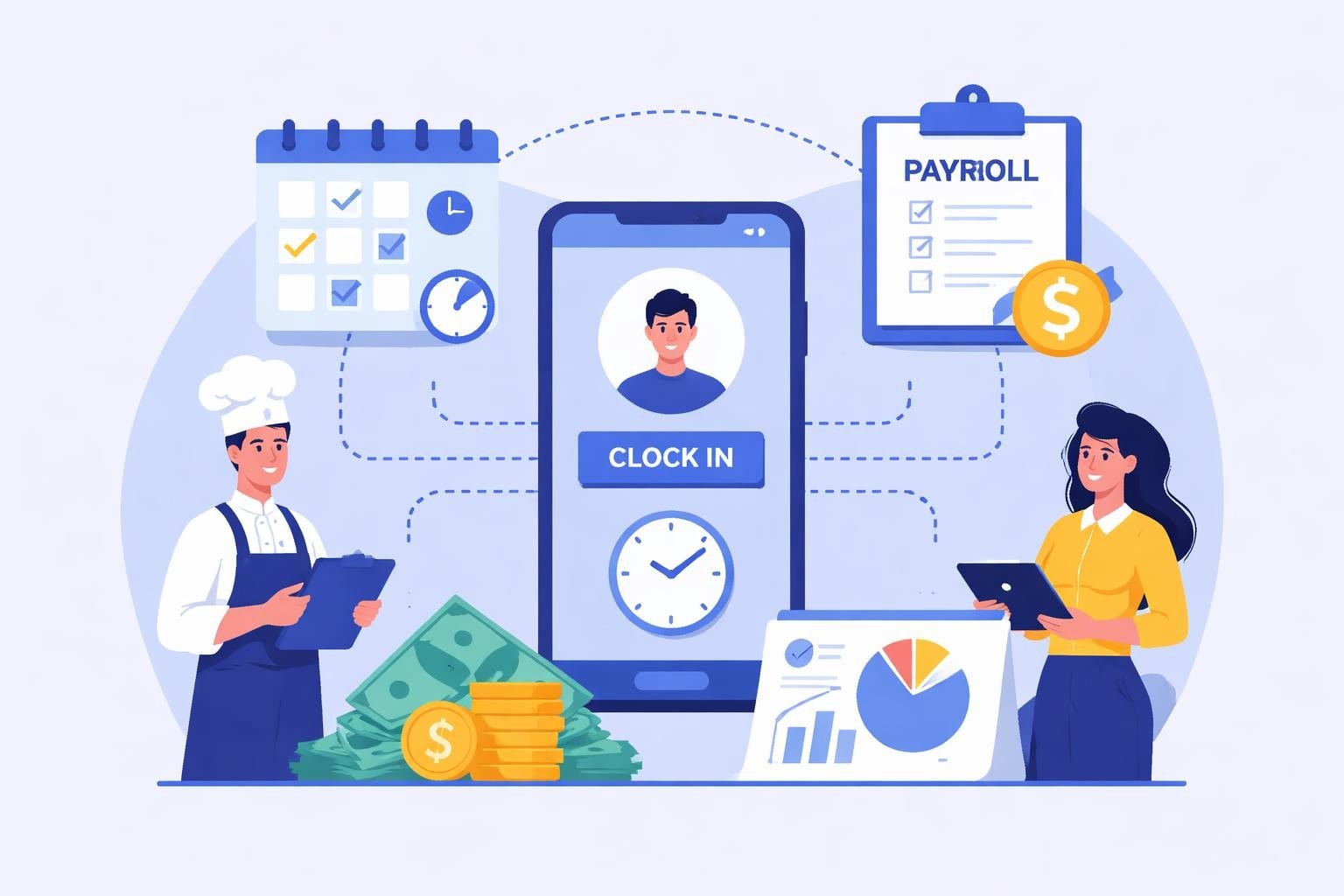
Efficient staff management is vital for any smart restaurant. Implement smart scheduling tools to automate shift planning and track labor in real-time.
Use digital solutions to reduce manual errors and labor costs. These tools not only streamline timesheets and reporting but also boost staff satisfaction by creating fairer, more predictable work schedules.
A smart restaurant leverages technology to elevate team productivity, allowing your staff to focus on delivering exceptional service.
Step 4: Redesign the Guest Journey for Seamless Experiences
Map every guest interaction within your smart restaurant, from entry to feedback. Introduce mobile ordering, digital menus, and personalized promotions to create a frictionless experience.
Enable contactless interactions at all stages, using digital signage to communicate real-time updates and engage guests. Prioritize convenience, safety, and personalization to meet modern expectations.
By redesigning the guest journey, your smart restaurant can deliver memorable, efficient, and engaging dining experiences.
Step 5: Leverage Data and Analytics for Continuous Improvement
Harness data from every touchpoint in your smart restaurant to drive ongoing improvement. Collect and analyze guest feedback, sales trends, and operational metrics.
Use these insights to optimize marketing, tailor menu offerings, and adjust your strategies in real time. For example, analytics from digital signage can reveal which promotions work best, guiding revenue growth.
A data-driven approach ensures your smart restaurant stays agile, competitive, and responsive to customer needs.
Enhancing Operations and Customer Experience with Smart Solutions
The modern smart restaurant is defined by its ability to merge operational excellence with memorable guest experiences. By leveraging intelligent solutions, restaurants can boost efficiency, deliver tailored service, and foster loyalty in a highly competitive market.
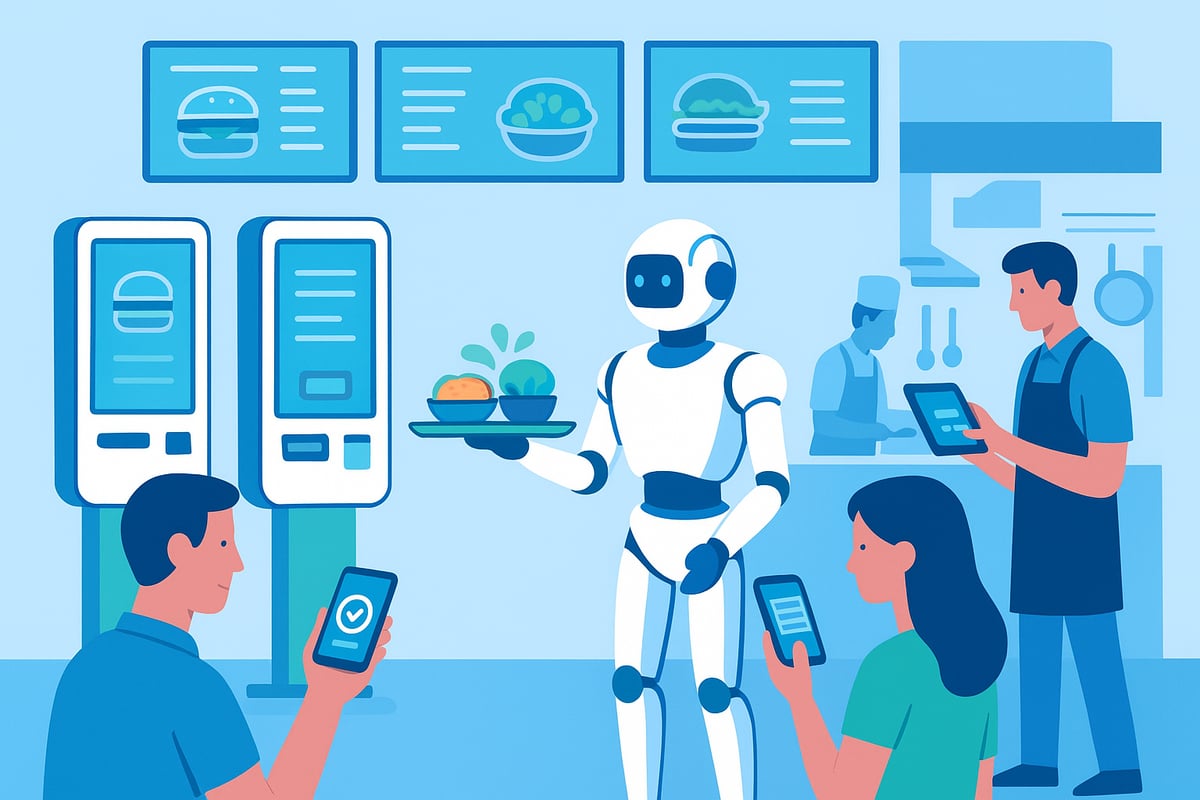
Streamlining Operations with Automation
Automation is at the heart of the smart restaurant. Automated order management systems synchronize online and in-person requests, ensuring kitchen workflows remain smooth and error free. Smart sensors monitor pantry stock levels in real time, sending alerts for low inventory and minimizing waste.
IoT devices track kitchen equipment performance for predictive maintenance
Robots handle routine tasks like dishwashing and cleaning
Digital schedules optimize staff allocation
These innovations reduce manual errors, cut operational costs, and allow staff to focus on guest-facing roles. By integrating automation, a smart restaurant can deliver faster service and maintain high standards, even during peak periods.
Personalizing the Dining Experience
Personalization is a defining feature of the smart restaurant, where data-driven insights help anticipate guest needs. Interactive menus on kiosks and mobile apps suggest dishes based on preferences, dietary restrictions, and past orders.
Guests receive real time updates on specials, allergens, and wait times. AI powered systems, such as those highlighted in AI-Powered Meal Matching, enable the smart restaurant to deliver recommendations and targeted offers that feel truly bespoke.
Personalization not only increases guest satisfaction but also encourages repeat visits by making every interaction unique.
Building Stronger Branding and Marketing
A smart restaurant leverages digital tools to unify branding and marketing efforts. Centralized content management platforms push updates to digital menu boards, social channels, and mobile apps simultaneously.
Key strategies include:
Consistent brand messaging across all digital touchpoints
Real time promotions and upselling on digital signage
Interactive campaigns that engage guests
This approach keeps the brand top of mind and supports a cohesive identity that resonates with customers.
Fostering Customer Engagement and Loyalty
Engagement and loyalty are critical for long term success in a smart restaurant. In app loyalty programs reward repeat visits, while gamification elements motivate participation.
Digital signage entertains and informs guests as they wait, creating positive impressions. Feedback tools embedded in mobile apps make it easy for diners to share their thoughts, helping restaurants adapt quickly to changing needs.
These initiatives transform one time visitors into loyal fans, building a vibrant community around the smart restaurant experience.
Real-World Examples and Success Stories
Smart restaurant concepts are no longer just futuristic ideas. Across the industry, businesses are putting innovation into action, transforming guest experiences and streamlining operations. The following case studies illustrate how the smart restaurant model delivers measurable results in real settings.
Case Study: Buffet Restaurant with Digital Labels
A leading buffet chain sought to create a true smart restaurant environment by replacing traditional paper labels with digital displays. These digital labels provided real-time updates for dish names, ingredients, and allergen information, making it easier for guests to find options that matched their dietary needs.
Staff could instantly update offerings from a central dashboard, reducing confusion and minimizing manual labor. This transition not only improved operational efficiency but also enhanced the guest experience through clear, interactive information. The smart restaurant approach resulted in fewer customer questions, faster buffet lines, and more confident food choices. Guests appreciated the transparency and convenience, while managers reported smoother service and less waste.
Case Study: Robotics in Food Preparation and Delivery
Automation is redefining what it means to run a smart restaurant. One notable example comes from Sweetgreen, which has adopted robotic chefs and delivery bots to achieve greater speed and consistency in its kitchens. By leveraging Sweetgreen's automation initiatives, the brand has improved order accuracy and reduced labor costs.
Robotic arms handle repetitive tasks like chopping, mixing, and plating, freeing up human staff for customer-facing roles. Delivery robots transport meals efficiently, ensuring hot food reaches guests quickly. This smart restaurant model not only increases novelty and brand differentiation but also ensures a reliable and scalable service standard. Customers enjoy the spectacle of robotics, while operators benefit from consistent quality and lower operational risk.
Case Study: Digital Signage for Menu Management
Another hallmark of the smart restaurant is dynamic digital signage. A fast-casual chain implemented large, interactive digital menu boards to manage real-time updates for menu items, pricing, and promotions. The result was a smoother ordering process and enhanced upselling opportunities.
Staff could instantly highlight specials or remove sold-out items, eliminating customer frustration. Digital signage also enabled targeted messaging based on the time of day or customer demographics, boosting engagement and sales. Restaurants reported increased revenue and significant savings on printed materials. The smart restaurant experience became more interactive, informative, and visually appealing, leading to higher guest satisfaction and loyalty.
Overcoming Challenges and Future-Proofing Your Smart Restaurant
Transitioning to a smart restaurant model brings exciting opportunities, but also new challenges. Operators must navigate investment decisions, tech adoption, and evolving guest expectations, all while ensuring long-term resilience. The key to sustainable success is a proactive approach to overcoming barriers and future-proofing your smart restaurant operations.
Addressing Implementation Barriers
Launching a smart restaurant requires thoughtful planning. Upfront investment can be significant, so it is crucial to assess ROI and prioritize technologies with the greatest impact. Staff adoption is another hurdle, as new systems often require training and a shift in mindset.
Interoperability between platforms is essential for smooth operations. Choosing scalable, integrated systems prevents costly upgrades later. Data privacy is also a top concern, with restaurants responsible for protecting guest and operational data.
Workforce management deserves special attention. Leveraging Staff Scheduling and Workforce Management tools streamlines labor planning, reduces errors, and supports staff engagement, all vital for a smart restaurant. By addressing these barriers early, operators set the stage for a seamless transformation.
Staying Ahead of Emerging Trends
The smart restaurant landscape evolves rapidly. Keeping pace with advancements in AI, robotics, and IoT is essential for maintaining a competitive edge. Regularly monitoring industry news and attending technology expos helps identify new opportunities.
Consumer preferences and regulations also shift, making adaptability crucial. Investing in flexible, upgradeable platforms ensures your smart restaurant can incorporate future innovations without major disruptions. For insights into what’s next, explore Emerging Restaurant Technologies to Watch for a preview of trends shaping the industry.
Continuous learning and innovation build resilience, enabling your smart restaurant to thrive as new technologies emerge.
Measuring Success and Scaling Up
Tracking success is fundamental to the ongoing evolution of your smart restaurant. Establish clear KPIs such as guest satisfaction, revenue growth, labor costs, and operational efficiency. Use analytics tools to monitor performance and identify areas for improvement.
A simple KPI tracking table might include:
Metric | Baseline | Target | Current Status |
|---|---|---|---|
Guest Satisfaction | 80% | 90% | 86% |
Revenue Growth | $500k | $600k | $570k |
Labor Cost % | 35% | 30% | 32% |
Scaling up involves replicating successful solutions across locations, supported by robust training and a culture of digital excellence. With the right data and mindset, your smart restaurant will remain agile and ready for the future.
As you look to build a smarter, more efficient restaurant in 2026, it’s clear that the right technology can make all the difference. Streamlining scheduling, tracking hours in real time, and simplifying workforce management are essential steps in creating seamless experiences for both your team and your guests. If you’re ready to take the next step toward operational excellence and future proof your business, why not explore a tool designed just for restaurants like yours You can Try Heybegin for Free and see firsthand how effortless smart scheduling and time tracking can be.