8 Proven Software Project Scheduling Strategies for 2026
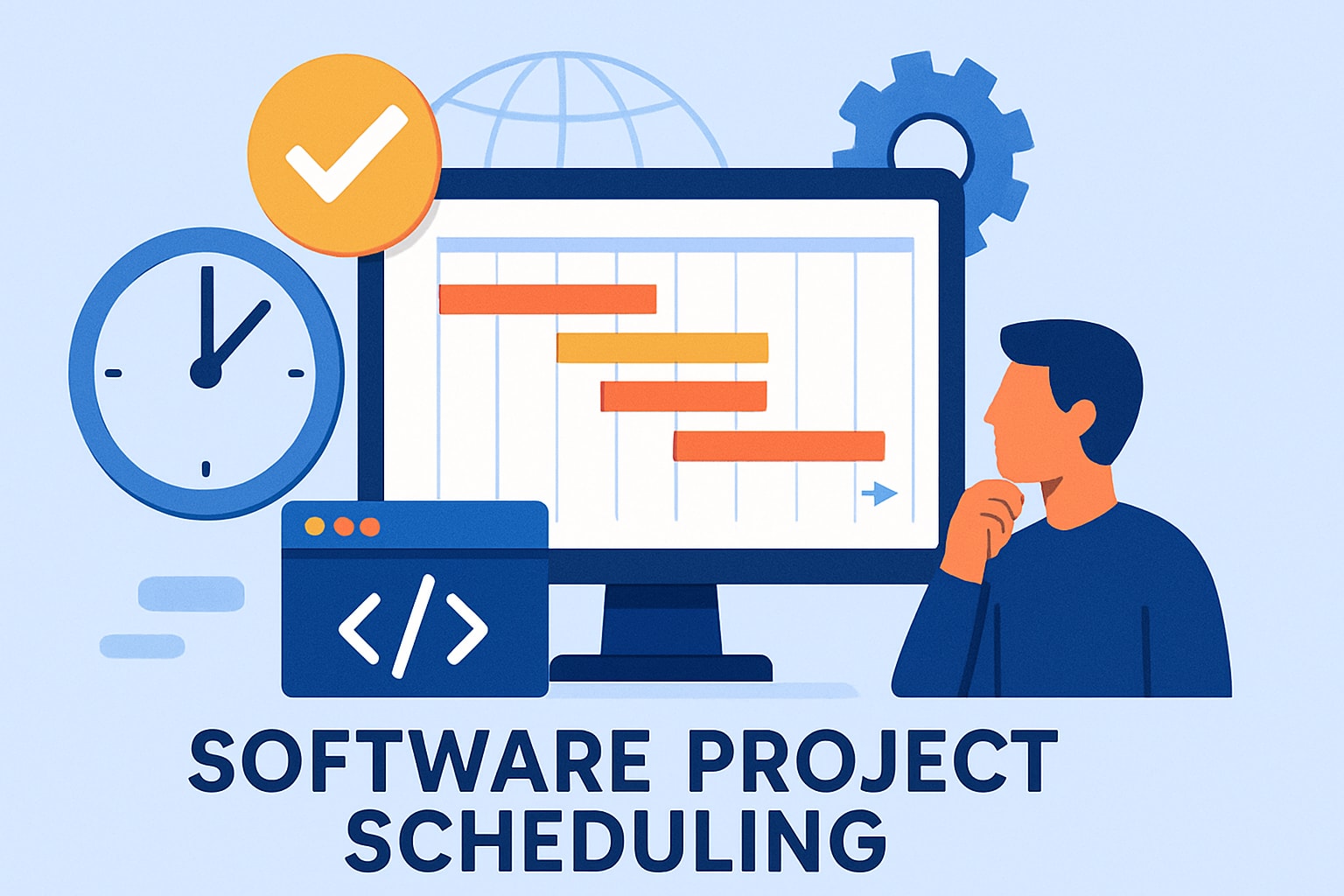
Discover 8 proven software project scheduling strategies for 2026 to boost efficiency, manage remote teams, and deliver projects on time with advanced tools.
In 2026, software project scheduling is more challenging than ever. Tight deadlines, globally distributed teams, and complex requirements are now the norm. How can your team consistently deliver on time and within budget?
The key lies in adopting proven, modern software project scheduling strategies tailored for today’s realities. This article uncovers eight actionable approaches, from AI-driven planning tools to optimizing collaboration, designed for real-world software teams.
Ready to transform your results? Explore these practical strategies and gain the confidence to master software project scheduling in a rapidly evolving landscape.
The Evolving Landscape of Software Project Scheduling in 2026
In 2026, software project scheduling is undergoing rapid transformation due to major shifts in how teams work, communicate, and leverage technology. As organizations adopt new work models and digital tools, the scheduling landscape is evolving to keep pace with these changes.

The Rise of Distributed and Remote Teams
Remote and hybrid work environments have become standard for software development teams. Today, nearly 70% of teams coordinate across different time zones, making traditional scheduling methods less effective.
Flexible, timezone-aware scheduling tools are now essential. They enable teams to synchronize tasks, manage handoffs, and maintain productivity despite geographical separation. As a result, companies are investing in platforms that offer calendar integrations, automatic timezone adjustments, and asynchronous communication features.
Integration of AI and Automation
AI-powered tools are revolutionizing software project scheduling by streamlining resource allocation and deadline predictions. Automation handles repetitive scheduling tasks, freeing up managers for higher-level planning.
For example, top-performing teams using AI-driven scheduling have reduced manual planning time by 40 percent. This shift not only increases efficiency but also enhances accuracy, allowing leaders to anticipate potential delays and optimize workflows.
Increased Demand for Real-Time Collaboration
Instant updates and integrated communication have become critical for distributed teams. Modern scheduling platforms now embed chat, notifications, and document sharing to keep everyone aligned.
Tools like Monday.com and Jira offer real-time dashboards and messaging, ensuring that every team member stays informed on project progress. For a deeper dive into essential features, explore advanced scheduling features for teams that support seamless collaboration and instant feedback.
Emphasis on Transparency and Accountability
Visibility into task dependencies and progress is a top priority in software project scheduling. Automated timesheets and audit trails provide transparent records of work, making it easier to track accountability.
Platforms such as ProjectManager.com use real-time dashboards to give managers and stakeholders a clear overview of project status. This level of transparency fosters trust and supports timely decision-making.
Data-Driven Decision Making
Analytics play a crucial role in shaping modern software project scheduling. Teams now use historical data and predictive analytics to refine schedules, forecast risks, and manage uncertainties.
With tools like Forecast, project leaders can analyze trends and make informed adjustments. Data-driven strategies are helping organizations deliver projects more reliably, reducing surprises and improving outcomes.
8 Proven Software Project Scheduling Strategies for 2026
Effectively managing software project scheduling in 2026 requires a robust blend of methodology, technology, and adaptability. Below, you will find eight proven strategies, each designed to address the unique challenges of modern software development environments. These approaches empower teams to deliver high-quality results on time and within budget.

1. Adopt Agile and Hybrid Scheduling Frameworks
Agile methodologies, such as Scrum and Kanban, have become foundational for software project scheduling. These frameworks support iterative planning and frequent feedback, making them well-suited for projects with evolving requirements. Many organizations now combine Agile with traditional Waterfall approaches to form hybrid models, enabling the flexibility of Agile with the predictability of structured planning.
By aligning schedules with sprint cycles and prioritizing backlogs, teams can quickly adjust to change. Tools like Jira provide the flexibility needed for both Agile and hybrid scheduling, letting teams dynamically update plans based on sprint reviews and stakeholder input.
This hybrid approach is gaining traction, with 60 percent of software teams now leveraging it for complex projects. For more on why hybrid models are effective, see Hybrid project management methodologies.
The key benefit is adaptability. Teams respond faster to shifting priorities, and feedback loops are shortened. As software project scheduling grows more complex, these frameworks offer a proven path to success.
2. Leverage AI-Powered Scheduling Tools
AI-driven tools are transforming software project scheduling by automating resource allocation and optimizing timelines. With predictive analytics, these platforms can flag potential delays and bottlenecks before they derail delivery.
For example, Forecast’s AI-powered planning features help managers assign resources efficiently and anticipate schedule risks. The automation of manual scheduling tasks not only saves time but also increases accuracy.
AI tools are particularly valuable for teams handling multiple projects or large resource pools. According to industry reports, these solutions have reduced scheduling errors by up to 30 percent in leading organizations. The result is a more responsive and resilient approach to software project scheduling.
3. Prioritize Resource Management and Capacity Planning
Effective software project scheduling depends on understanding team skills, availability, and workload. Resource management tools like Resource Guru and Productive.io make it easy to map tasks to the right people in real time.
By tracking capacity and utilization, managers avoid overloading or underusing team members. This balance is crucial for preventing burnout and maintaining delivery speed. Productive.io’s agency-focused planning features demonstrate how modern platforms support capacity optimization across distributed teams.
Data shows that disciplined capacity planning is linked to a 20 percent improvement in on-time delivery rates. With the right approach, software project scheduling becomes a driver for productivity and team well-being.
4. Visualize Project Timelines and Dependencies
Visual tools such as Gantt charts, Kanban boards, and timeline views are essential for software project scheduling transparency. These visuals clarify task dependencies and highlight potential bottlenecks before they escalate into delays.
Microsoft Project, for instance, offers advanced Gantt chart features that help teams track progress and adjust plans as needed. By mapping tasks visually, stakeholders gain a clear view of project status and upcoming milestones.
Research shows that teams using visual scheduling tools experience fewer missed deadlines and improved communication. Enhanced visibility makes it easier to coordinate work, especially in distributed software project scheduling environments.
5. Implement Real-Time Collaboration and Communication
For distributed teams, real-time collaboration is crucial to software project scheduling success. Integrated communication features, such as chat, notifications, and document sharing, allow instant updates and rapid decision-making.
Platforms like Monday.com combine visual boards with real-time notifications, ensuring everyone stays aligned as tasks evolve. These tools help reduce miscommunication and facilitate quick responses to project changes.
Teams using integrated collaboration solutions have reported 25 percent fewer project delays. By embedding communication directly into software project scheduling tools, organizations foster a culture of transparency and agility.
6. Automate Timesheets and Progress Tracking
Automation of timesheets and progress tracking has become a cornerstone of modern software project scheduling. Automated time tracking ensures accurate reporting and seamless payroll integration, minimizing manual errors and administrative overhead.
Tools like ActiveCollab streamline timesheet management, allowing teams to focus on value-added work rather than paperwork. Automation also supports compliance and audit requirements, giving managers real-time insight into project status.
Studies reveal that automation reduces errors in timesheet reporting by 50 percent. This leads to improved accountability and smoother project delivery, reinforcing the value of automated solutions in software project scheduling.
7. Continuously Analyze and Optimize Schedules
Data-driven decision-making is vital for optimizing software project scheduling. By regularly reviewing project analytics, teams can identify trends, anticipate risks, and refine schedules proactively.
Platforms such as Nifty offer milestone tracking and analytics dashboards that reveal critical insights. Ongoing analysis enables teams to make adjustments before issues become obstacles, increasing the likelihood of on-time delivery.
Organizations that embrace analytics for schedule refinement see an 18 percent boost in delivery predictability. Continuous optimization ensures software project scheduling remains aligned with evolving goals and market demands.
8. Ensure Flexibility for Change and Scope Adjustments
Change is a constant in software project scheduling. Building contingency buffers and enabling quick schedule modifications are essential for minimizing disruptions.
Flexible tools like Zoho Projects support rapid adjustments to tasks and timelines, making it easier to accommodate shifting priorities or unexpected challenges. This approach prevents minor hiccups from turning into major setbacks.
Research shows that flexible scheduling tools reduce project overruns by 22 percent. By planning for change, teams can maintain momentum and deliver consistent results, even in dynamic software project scheduling environments.
Selection Criteria for Effective Scheduling Strategies
Selecting the right approach to software project scheduling requires a thorough evaluation of several core criteria. Each factor ensures your chosen scheduling strategy meets your organization's unique needs and supports reliable project delivery.

Alignment with Project Goals and Team Structure
Every software project scheduling method must fit your team's size, skillset, and workflow. Assess whether Agile, Waterfall, or Hybrid methodologies align with your project's objectives. Consider how distributed teams or unique roles may impact scheduling complexity.
For additional guidance, managers can benefit from dedicated management tools for project leaders that streamline coordination and resource allocation.
Integration Capabilities
Seamless integration with your existing development, communication, and reporting tools is critical. The best scheduling solutions connect easily with platforms like Slack, GitHub, and Confluence, enabling smoother workflows.
Integrated analytics and progress reports are also essential. Explore analytics and reporting for projects to see how real-time data can improve decision-making.
Scalability and Customization
Your software project scheduling approach should scale as your team or project portfolio grows. Look for tools that offer customizable workflows, templates, and automation options. This flexibility ensures your scheduling system adapts to complex or evolving needs.
Usability and Adoption
User-friendly interfaces are vital for team adoption. If the scheduling tool is intuitive, your team will be more likely to use it consistently. Comprehensive training materials and responsive support further boost successful onboarding and daily use.
Cost Considerations
Evaluate the total cost of ownership, not just software licensing fees. Consider the balance between features, scalability, and your budget. Affordable solutions can still offer robust software project scheduling capabilities, especially for growing teams.
Security and Compliance
Protecting sensitive project data is essential. Choose scheduling solutions with strong security protocols, audit trails, and compliance features. This is particularly important in regulated industries or for projects with strict privacy requirements. Reliable software project scheduling tools will help you meet internal and external compliance standards.
Criteria | Key Focus | Why It Matters |
|---|---|---|
Alignment | Methodology & team fit | Supports project objectives |
Integration | Tool connectivity & analytics | Streamlines workflow |
Scalability | Customization & growth | Handles complex portfolios |
Usability | Interface & support | Ensures team adoption |
Cost | Features vs. budget | Controls project expenses |
Security | Data protection & compliance | Safeguards sensitive information |
Future Trends in Software Project Scheduling
The landscape of software project scheduling is evolving rapidly as organizations prepare for the future. In 2026, AI and predictive analytics are set to become even more integral, driving smarter forecasting of risks, resource allocation, and delivery dates. This shift is supported by the latest AI in project management statistics, which highlight how AI adoption is transforming project outcomes.
Automation is another key trend, streamlining the entire software project scheduling process from initial planning to final reporting. Teams can expect more seamless integration between tools, reducing manual work and accelerating project timelines.
Employee well-being is gaining prominence within software project scheduling. Modern scheduling tools are prioritizing balanced workloads and proactive burnout prevention, making it easier for managers to support healthy team dynamics.
No-code and customizable solutions are on the rise, empowering non-technical users to tailor their scheduling workflows without heavy IT involvement. This democratization fosters agility and innovation across all levels of the organization.
Sustainability is also shaping the future of software project scheduling. Companies are now optimizing schedules to minimize overtime and energy consumption, aligning project delivery with environmental goals. Leaders like Monday.com and Jira are incorporating sustainability metrics and AI-driven features to support these initiatives.
As these trends converge, software project scheduling will continue to adapt, offering smarter, more inclusive, and environmentally conscious solutions for teams worldwide.

As you look to streamline project scheduling and keep your team on track in 2026, it’s clear that modern solutions—like automated timesheets, real time collaboration, and smart resource management—make all the difference. Whether you’re managing a dynamic restaurant crew or a fast paced software team, having the right tools can help you reduce costs and boost efficiency. If you’re ready to put these proven strategies into action, why not see how effortless scheduling can be? You can Try Heybegin for Free and experience firsthand how much easier managing projects and shifts can become.