9 Essential Staff Scheduling Solution Tips for 2026
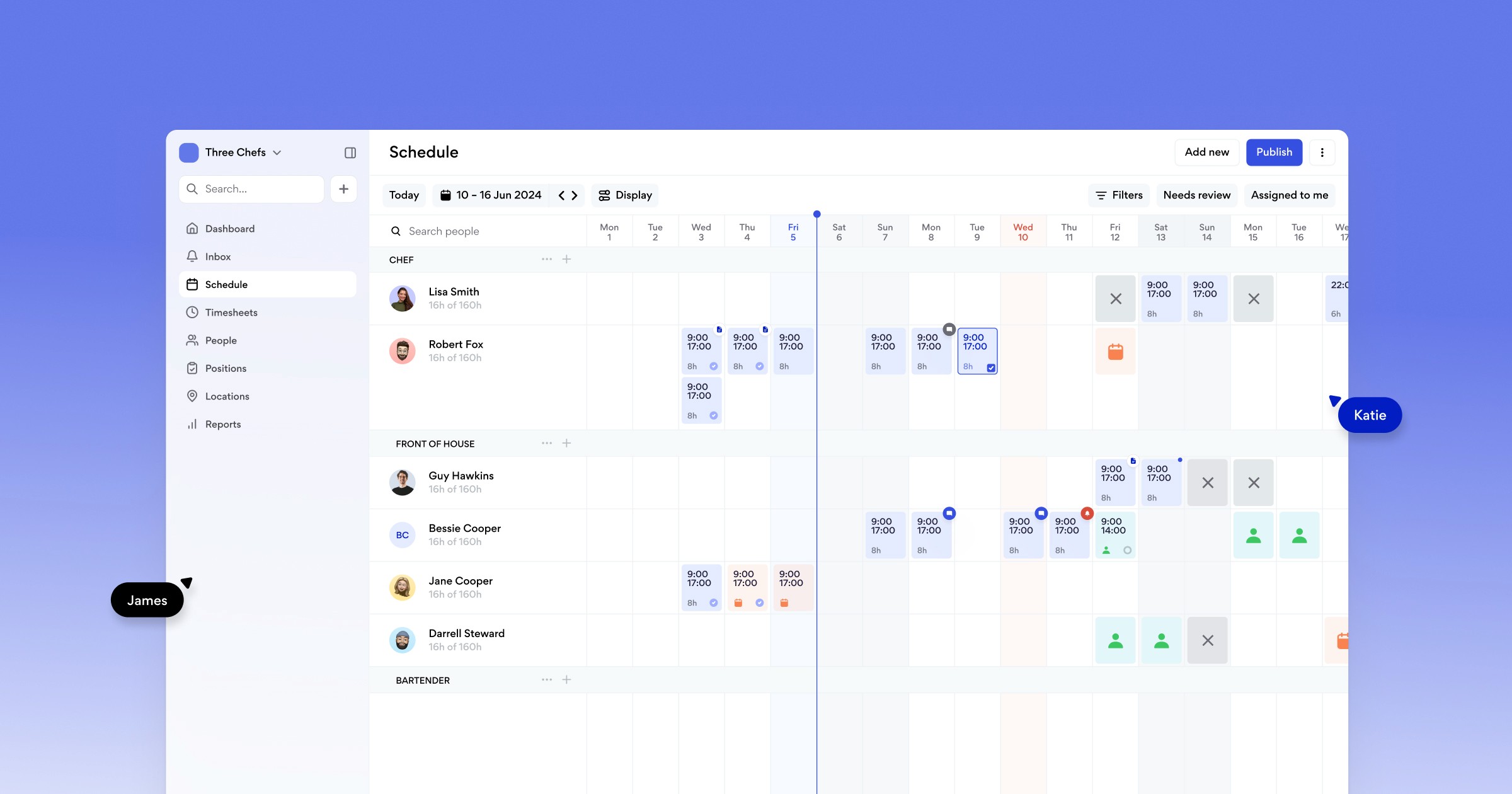
Discover 9 essential staff scheduling solution tips for 2026 to boost efficiency, ensure compliance, enhance employee satisfaction, and future proof your workforce.
The workplace is rapidly transforming, and by 2026, businesses will need more than just a basic staff scheduling solution to keep up. As technology evolves and competition intensifies, efficient scheduling has become a strategic necessity rather than a routine task.
Modern organizations must balance operational efficiency, employee satisfaction, and strict compliance. The right approach can unlock cost savings, boost morale, and drive productivity across every department.
In this article, discover nine essential tips for choosing and implementing a future-ready staff scheduling solution. From automation to employee engagement, these insights will help you streamline workforce management and stay ahead in a dynamic business landscape.
Why Smart Staff Scheduling Matters in 2026
The modern workplace is evolving rapidly, making a robust staff scheduling solution more essential than ever. Companies must keep pace with new technologies and shifting employee expectations to thrive in 2026.
The impact of digital transformation on workforce management
Digital transformation is reshaping how organizations approach workforce management. The rise of AI, automation, and cloud-based platforms has made the staff scheduling solution a key driver of efficiency. Businesses leverage predictive scheduling to align labor with customer demand, reducing manual errors. For example, retailers use scheduling software that analyzes sales and traffic data, ensuring optimal staffing levels. Discover more about these advancements in the Staff Scheduling Features Overview. As competition intensifies, harnessing digital tools is no longer optional for success.
Employee expectations and the gig economy
Today’s employees expect more flexibility and control over their work schedules. The staff scheduling solution must enable shift preferences, accommodate part-time roles, and adapt to a growing gig economy. A SHRM 2024 survey found that 72 percent of employees value flexible scheduling, emphasizing the importance of work-life balance. Companies offering adaptable scheduling see improved morale and lower absenteeism. By prioritizing employee needs, organizations build loyalty and attract top talent in a competitive job market.
Compliance and labor law evolution
Labor regulations are becoming more stringent, requiring businesses to pay careful attention to overtime, breaks, and fair scheduling practices. Non-compliance can lead to significant fines, lawsuits, and reputational harm. Recent changes in the EU Working Time Directive have increased scrutiny of scheduling practices across industries. Automated compliance checks within scheduling software help managers stay aligned with the latest legal requirements, offering peace of mind and reducing the risk of costly errors.
Cost control and resource optimization
Inefficient scheduling can quickly inflate labor costs or leave businesses understaffed. A well-implemented staff scheduling solution helps prevent these pitfalls by optimizing shift coverage. According to a Kronos report, businesses lose up to 10 percent of payroll to scheduling inefficiencies. Leveraging data analytics and automation, companies can minimize overspending while ensuring adequate staffing. This proactive approach leads to substantial savings and more predictable operating expenses.
Challenge | Impact of Poor Scheduling | Solution Benefit |
|---|---|---|
Overstaffing | Increased labor costs | Optimized resource allocation |
Understaffing | Poor customer service | Improved coverage |
Manual errors | Payroll discrepancies | Automated accuracy |
The link between scheduling and employee retention
A transparent staff scheduling solution is crucial for retaining talent. Poor scheduling is a leading cause of employee turnover, as inconsistent hours and last-minute changes erode trust. In contrast, fair and open scheduling practices foster employee loyalty. When workers can easily view, swap, and manage their schedules, satisfaction rises. Companies that invest in scheduling transparency enjoy lower turnover rates and a stronger, more committed workforce.
Technology as a competitive advantage
Adopting advanced scheduling technology sets businesses apart from competitors. Early adopters benefit from streamlined operations, reduced labor costs, and higher staff satisfaction. For instance, a major hospitality chain cut labor expenses by 12 percent through automated scheduling. As new solutions continue to evolve, staying ahead with modern tools ensures agility and resilience in a changing landscape.
9 Essential Staff Scheduling Solution Tips for 2026
In the rapidly changing world of workforce management, adopting the right staff scheduling solution is fundamental for success. Here are nine expert tips to help your organization streamline operations, increase employee satisfaction, and control labor costs as you prepare for 2026.

1. Embrace AI-Powered Scheduling Tools
Artificial intelligence is transforming how businesses approach their staff scheduling solution. By leveraging AI-driven platforms, organizations can forecast demand, optimize shift coverage, and minimize manual errors.
Modern staff scheduling solution software analyzes data like sales trends, weather, and customer foot traffic to predict staffing needs. This reduces bias in shift assignments and ensures your team is always prepared for fluctuations in demand.
For example, companies using AI-powered scheduling tools have reported significant time savings and improved accuracy. According to a recent report, AI reduces staff scheduling time from eight hours to under fifteen minutes per week, driving operational efficiency and freeing up managers for more strategic work.
The benefits are clear: improved accuracy, data-driven decisions, and a more responsive staff scheduling solution. As AI adoption grows, 65% of businesses plan to implement these tools by 2026, making this a trend you cannot afford to ignore.
2. Prioritize Employee Self-Service and Mobile Accessibility
A modern staff scheduling solution empowers employees to manage their own schedules through mobile apps and self-service features. Staff can view upcoming shifts, swap with colleagues, and request time off, all from their personal devices.
This approach enhances engagement and reduces the administrative workload for managers. Companies embracing self-service have experienced up to 50% fewer scheduling conflicts, as real-time updates and notifications keep everyone informed.
With the workforce becoming increasingly mobile and distributed, a staff scheduling solution that meets these needs is no longer optional. Real-time communication ensures staff are always up-to-date, reducing confusion and last-minute changes.
Providing mobile access and self-service tools is a proven way to boost satisfaction and streamline your staff scheduling solution for the future.
3. Automate Compliance with Labor Laws and Regulations
Compliance is a critical component of any effective staff scheduling solution. Integrating automated compliance checks for overtime, break periods, and local labor laws helps prevent costly penalties and ensures fair treatment for all employees.
Advanced scheduling software can alert managers to potential violations before they occur. This proactive approach protects your business from fines, lawsuits, and reputational harm.
As labor laws continue to evolve, keeping your staff scheduling solution updated is essential. Automated systems can adapt quickly, ensuring ongoing compliance and reducing manual tracking.
Regularly reviewing your compliance settings within your staff scheduling solution is a smart way to stay ahead of changing regulations and maintain operational integrity.
4. Leverage Data Analytics for Informed Decision-Making
Data analytics is now a cornerstone of a strategic staff scheduling solution. By tracking attendance, productivity, and labor costs, managers can identify patterns and optimize future schedules.
Modern dashboards make it easy to visualize shift coverage, overtime risks, and employee performance. This insight allows for quick adjustments, ensuring optimal staffing levels and reducing unnecessary costs.
A well-implemented staff scheduling solution with robust analytics can cut labor costs by up to 8%. This not only improves your bottom line but also provides objective data to support staffing decisions.
Using analytics transforms your staff scheduling solution from a basic tool into a powerful driver of business performance.
5. Foster Transparent Communication and Feedback Loops
Open communication is vital for any staff scheduling solution to succeed. Integrated messaging and automated notifications keep staff informed about changes and reduce misunderstandings.
Two-way communication channels encourage feedback from employees, helping managers identify and resolve issues quickly. This transparency leads to fewer last-minute no-shows and increased accountability.
Regular feedback also drives continuous improvement in your staff scheduling solution. Employees who feel heard are more likely to stay engaged and committed to your organization.
Investing in communication tools within your staff scheduling solution builds trust and strengthens your workplace culture.
6. Integrate Scheduling with Payroll and HR Systems
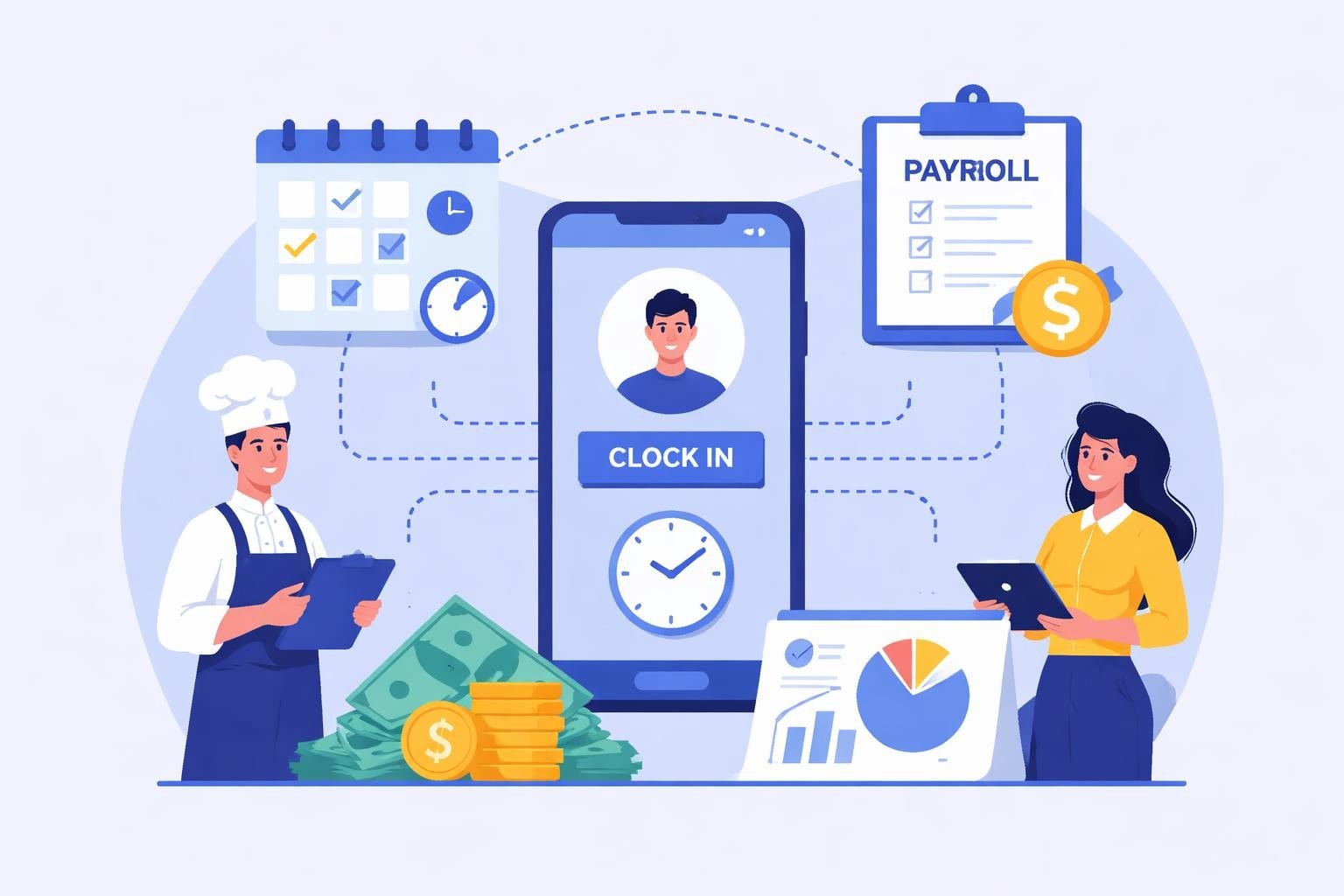
A seamless staff scheduling solution should connect directly with your payroll and HR systems. This integration eliminates manual data entry, reduces errors, and speeds up payroll processing.
Businesses that automate this connection have reported saving hours each week on administrative tasks. Direct data syncing ensures that work hours, overtime, and absences are accurately reflected in payroll.
Data security and GDPR compliance are also essential when integrating your staff scheduling solution. Choose platforms with strong encryption and privacy controls to protect sensitive employee information.
An integrated staff scheduling solution streamlines operations, allowing your team to focus on growth instead of paperwork.
7. Plan for Flexibility and Contingency Scenarios
Unpredictable events are a constant in workforce management. Your staff scheduling solution should include buffers for unexpected absences, demand spikes, or sudden changes in business volume.
Use templates and shift pools to enable rapid rescheduling. For example, hospitality venues often rely on backup staff lists to adapt quickly to customer surges or staff illness.
A flexible staff scheduling solution ensures you can maintain service quality, even in challenging circumstances. Building contingency plans into your scheduling process helps reduce stress and keeps your team prepared.
Proactively managing these scenarios strengthens your staff scheduling solution and supports business continuity.
8. Regularly Review and Optimize Your Scheduling Processes
Continuous improvement is key to maximizing the value of your staff scheduling solution. Schedule periodic audits of your practices, using KPIs to measure effectiveness and identify areas for enhancement.
Solicit feedback from staff about pain points and suggestions for improvement. Many businesses find that quarterly reviews lead to measurable gains, such as a 15% improvement in shift coverage.
Analyze outcomes and adjust your staff scheduling solution as needed. Regular optimization helps you stay competitive and responsive to changing conditions.
A well-maintained staff scheduling solution delivers consistent results and supports long-term success.
9. Invest in Ongoing Training and Change Management
Technology and processes evolve rapidly, so ongoing training is essential for your staff scheduling solution to reach its full potential. Educate managers and staff on new tools, features, and policies to ensure smooth adoption.
Address resistance with clear communication about the benefits of your staff scheduling solution. Onboarding sessions have been shown to increase user adoption rates and confidence in the system.
Continuous learning keeps your team agile and prepared for future changes. Make training a regular part of your staff scheduling solution strategy to maximize ROI and maintain a competitive edge.
A culture of learning and adaptability ensures your staff scheduling solution remains effective as your business grows.
Key Trends Shaping Staff Scheduling Solutions in 2026
The landscape for every staff scheduling solution is rapidly evolving in 2026. Businesses face new challenges and opportunities as technology, workforce expectations, and regulations shift. Understanding key trends helps organizations select the right staff scheduling solution and stay competitive.
Rise of predictive analytics and machine learning
Predictive analytics and machine learning are transforming how companies use a staff scheduling solution. These technologies analyze historical data, real-time sales, and even local events to forecast staffing needs. For example, retailers can now adjust staff levels instantly based on live sales data or weather changes.
A recent report shows that 28% of US employed adults now use AI tools like ChatGPT for work, double the rate from 2023. This surge in adoption highlights the shift toward smarter, data-driven scheduling. For further insights on AI adoption rates, see AI in the workplace statistics 2025.
Increasing focus on employee well-being and engagement
Modern staff scheduling solution platforms are placing greater emphasis on employee well-being. Businesses recognize that flexible scheduling, fair shift allocation, and consideration of individual preferences can reduce burnout and boost morale.
Scheduling tools now offer features to prioritize preferred shifts, manage time-off requests, and alert managers to potential overwork. This approach not only supports employee health but also improves retention and satisfaction, making the staff scheduling solution a central part of employee engagement strategies.
Integration with gig and contingent workforce platforms
With the rise of the gig economy, a robust staff scheduling solution must accommodate freelancers, part-timers, and full-time staff under one roof. Integration with gig and contingent workforce platforms allows for seamless management of multi-contract and cross-location employees.
This trend is especially important for industries with fluctuating demand, such as hospitality and retail. Companies can quickly scale their workforce up or down, ensuring they remain agile and responsive to business needs.
Enhanced automation and smart notifications
Automation is a defining feature of the next-generation staff scheduling solution. Automated reminders, shift confirmations, and escalation protocols help managers and staff stay on track with minimal manual intervention.
Smart notifications reduce absenteeism and late arrivals by keeping everyone informed in real time. Platforms with advanced reporting and analytics, such as Advanced Reporting and Analytics, make it easier to identify attendance patterns and optimize scheduling processes.
Security and data privacy advancements
As staff scheduling solution platforms handle more sensitive employee data, security and privacy have become top priorities. End-to-end encryption, secure access controls, and compliance with regulations like GDPR are now standard features.
Companies are investing in solutions that protect personal and payroll information, reducing the risk of breaches and ensuring trust with their workforce. The focus on robust security measures underscores the importance of choosing a staff scheduling solution that prioritizes data protection.
How to Choose the Right Staff Scheduling Solution for Your Business
Choosing the right staff scheduling solution is a critical decision for any business aiming to optimize workforce management in 2026. The ideal platform should align with your unique operational needs, support growth, and ensure a seamless experience for both managers and staff.
Start by assessing your business size and industry needs. Different industries require tailored approaches. For example, restaurants and cafes need rapid shift swaps, while healthcare organizations must prioritize compliance. Hospitality businesses can benefit from specialized platforms like Smart Scheduling for Hospitality, which address industry-specific requirements. Matching your staff scheduling solution to your field ensures smoother operations and better results.
Next, evaluate the core features and integrations offered. A robust staff scheduling solution should provide AI-powered forecasting, compliance tools, and mobile accessibility. Integrations with payroll, HR systems, and communication platforms are essential for efficiency. For teams on the go, features like those found in the Mobile App for Shift Management enable real-time updates and empower employees to manage their shifts directly from their smartphones.
Consider scalability and future growth when making your choice. Your staff scheduling solution should be able to grow with your business, handling more users, locations, and complex scheduling needs over time. Look for platforms that offer flexible plans and support multi-location operations, ensuring you do not outgrow your system as your team expands.
User experience and support are also vital factors. A user-friendly staff scheduling solution reduces training time and increases adoption rates among managers and employees. Reliable customer support and comprehensive onboarding resources make transitions smoother and help resolve issues quickly. Prioritize platforms with intuitive interfaces and responsive help channels.
Finally, compare pricing models and calculate your return on investment. Staff scheduling solution providers typically offer subscription-based plans, tiered features, or even free trials. Weigh the costs against potential savings in labor, reduced errors, and administrative efficiency. A transparent pricing structure and measurable ROI will help you make a confident, informed decision