Time Sheeting Guide: Streamline Your Workflow in 2026
Streamline your workflow in 2026 with this comprehensive time sheeting guide covering digital tools, compliance, best practices, and future trends for success.
In 2026, businesses are under growing pressure to boost productivity and manage labor costs efficiently. Yet, many still rely on outdated time sheeting, losing valuable hours to manual errors and inefficiencies.
This guide will show you how to transform your workflow using modern time sheeting strategies and tools that deliver accuracy, compliance, and efficiency.
Discover the evolution of time sheeting, explore key benefits, and follow step-by-step setup advice. Learn best practices, compliance tips, and what the future holds. Ready to leave inefficiency behind? Let’s get started.
The Evolution of Time Sheeting: From Paper to Digital
For decades, many organizations relied on paper-based time sheeting to track attendance and hours worked. While this method once seemed straightforward, growing businesses quickly discovered its limitations. As the workforce became more dynamic, the need for accurate, efficient, and scalable solutions grew ever more pressing.
The Drawbacks of Traditional Paper-Based Time Sheets
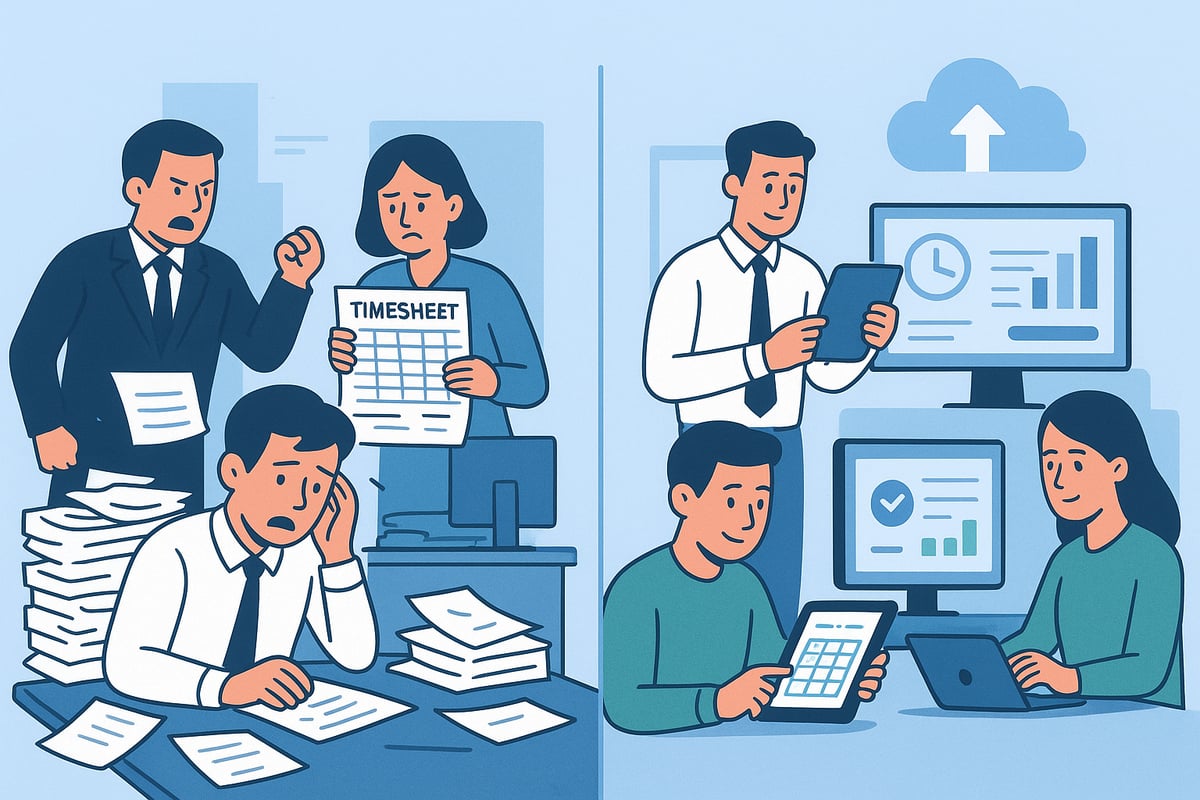
Traditional paper-based time sheeting exposes businesses to a range of issues. Manual entry often leads to errors, and incomplete or illegible records can trigger payroll disputes. Time theft is another major concern, as employees may record inaccurate hours without oversight.
Lost or damaged records can create confusion during audits or payroll processing. Managers spend countless hours tallying sheets, verifying signatures, and resolving discrepancies. According to a 2023 study, 40% of small businesses reported payroll errors stemming from manual time tracking, highlighting the risks of outdated practices.
Paper-based time sheeting also falls short in supporting remote or hybrid teams. As business models evolve, the limitations in accessibility and scalability become increasingly apparent.
The Shift to Digital: Key Drivers and Benefits
The move to digital time sheeting is driven by the need for automation and accuracy. Digital systems automatically calculate hours, overtime, and breaks, which reduces administrative workloads and minimizes costly mistakes. Real-time tracking delivers instant insights into labor costs, helping leaders make timely decisions.
Cloud-based time sheeting platforms also enable flexible access for remote and hybrid teams. This shift is not just about efficiency—it is becoming a regulatory requirement. For example, new mandates are emerging globally, with Mandatory Digital Time Tracking by 2026 requiring companies to replace manual methods with digital solutions. Companies making this transition have seen payroll processing times drop by up to 15 percent.
Digital time sheeting empowers businesses to adapt quickly to changing labor laws and evolving workplace expectations.
Integration with Broader Workforce Management
Digital time sheeting seamlessly connects with scheduling, payroll, and HR systems, creating a unified platform for workforce management. This integration streamlines reporting and analytics, giving leaders the data they need to make informed decisions.
For multi-location businesses, digital solutions simplify compliance and reduce audit risks. Enhanced analytics help organizations identify trends, monitor overtime, and optimize staffing across every site. As a result, time sheeting becomes a strategic tool for growth, efficiency, and long-term success.
Why Accurate Time Sheeting Matters in 2026
Accurate time sheeting is essential for modern businesses striving to operate efficiently in 2026. Without reliable records, organizations risk payroll mistakes, compliance violations, and lost trust among employees. Let’s explore why precision in time sheeting is more critical than ever.
Preventing Payroll Errors and Labor Disputes
Time sheeting errors can quickly lead to incorrect paychecks, which impact employee morale and create costly disputes. Common payroll mistakes include missed overtime, miscalculated hours, and overlooked breaks. These errors often result from manual processes or outdated systems.
With digital time sheeting, every work hour is tracked precisely. This ensures staff receive fair compensation and reduces the likelihood of disagreements. Consistent accuracy protects both the business and its workforce from payroll-related challenges.
Controlling Labor Costs and Boosting Profitability
Effective time sheeting gives managers real-time insights into staffing levels and labor expenses. By monitoring hours as they are worked, businesses can quickly adjust schedules to align with demand, minimizing unnecessary overtime and reducing excess labor costs.
Statistics show that companies using automated time sheeting solutions often see up to a 10 percent reduction in labor costs. This direct impact on profitability allows organizations to reinvest savings into growth and innovation. Accurate time sheeting is a key driver in managing budgets and optimizing resources.
Ensuring Regulatory Compliance
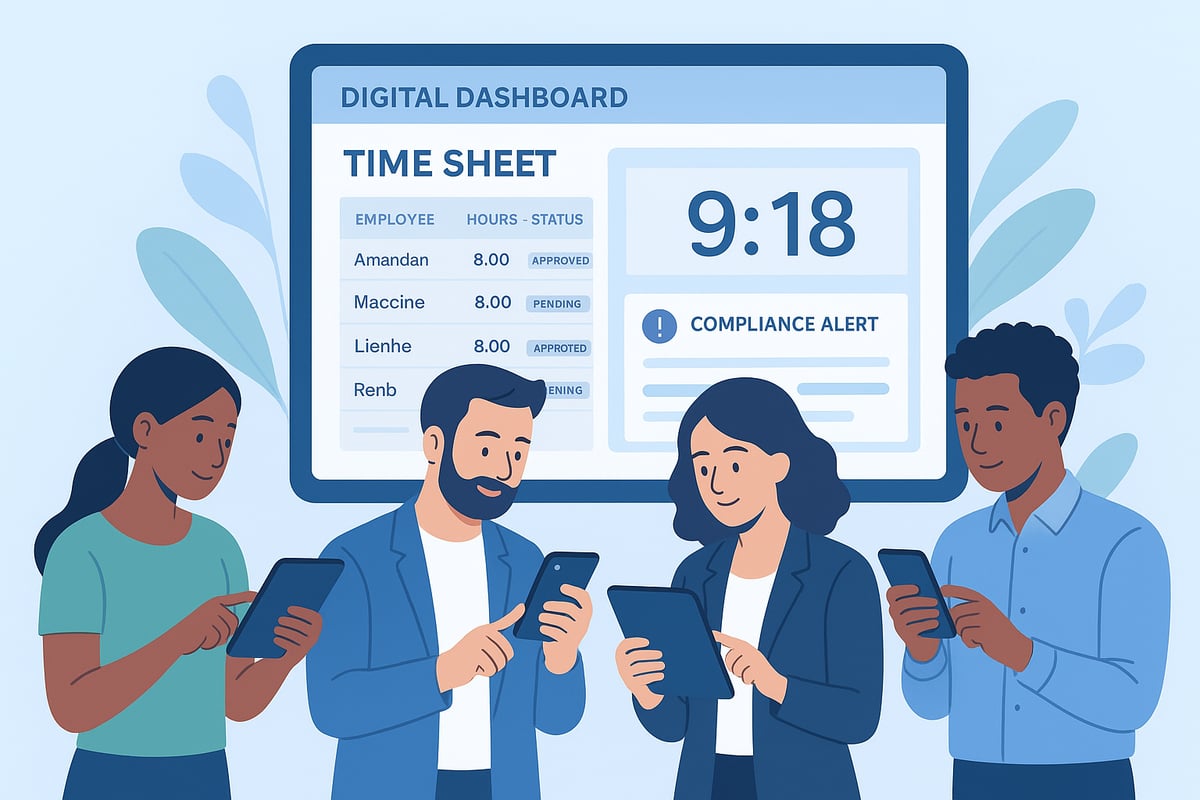
Compliance with labor laws is a moving target, especially as regulations evolve. Time sheeting systems equipped with automated alerts help organizations stay on top of overtime, rest break, and local wage requirements. Maintaining detailed records is vital if a business is audited or faces a legal inquiry.
For a comprehensive overview of evolving requirements, review the latest time tracking compliance laws. Staying informed and leveraging compliance-ready time sheeting tools can prevent costly penalties and protect your reputation.
Enhancing Employee Satisfaction and Transparency
Transparent time sheeting builds trust between employers and staff. When employees can access their schedules and verify recorded hours, they feel valued and respected. This openness reduces misunderstandings and helps resolve discrepancies before they escalate.
Digital solutions also streamline requests for time off, shift changes, and corrections, making the process smoother for everyone. Improved satisfaction leads to higher retention rates and a more engaged workforce.
Supporting Business Growth and Scalability
As organizations expand, whether by opening new locations or hiring additional staff, scalable time sheeting becomes crucial. Cloud-based solutions allow for effortless onboarding of new employees and seamless integration across multiple sites.
Franchise chains and fast-growing companies rely on digital time sheeting to maintain consistency and compliance during periods of rapid change. Investing in accurate, adaptable systems ensures your business is prepared for growth, no matter the pace.
Step-by-Step Guide: Streamlining Your Time Sheeting Process
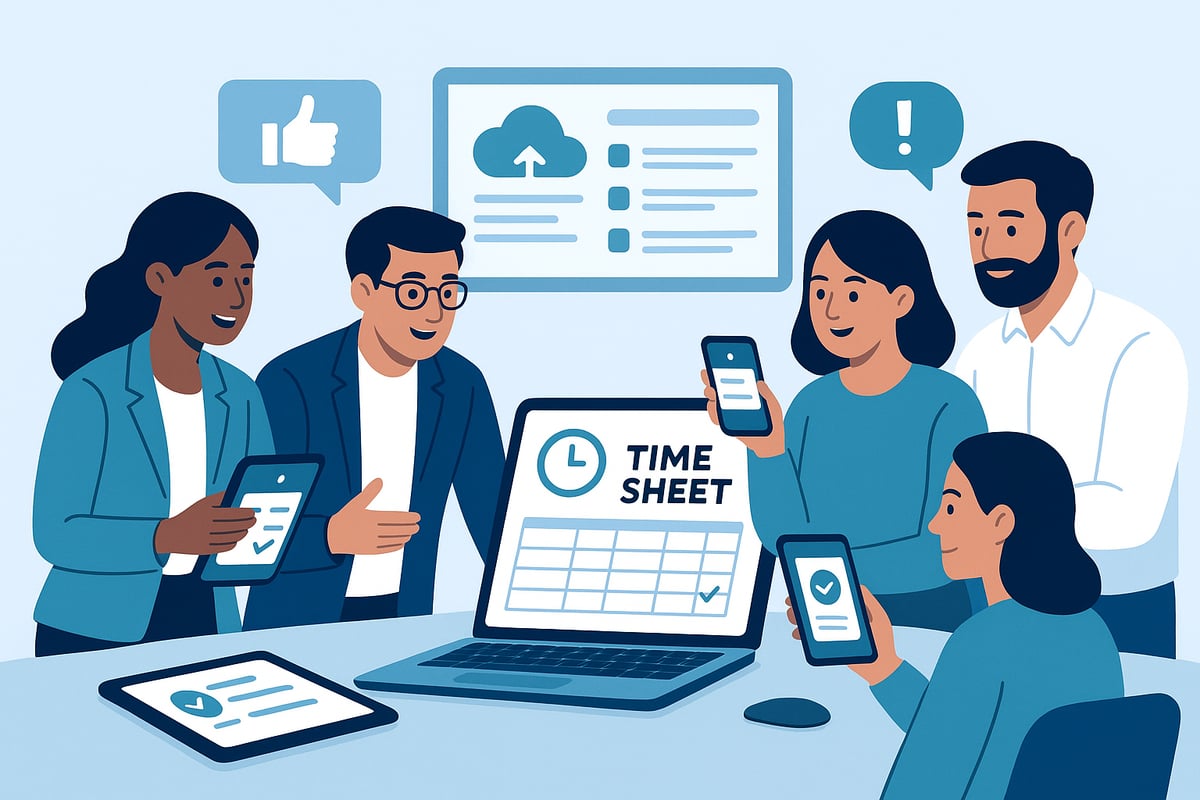
Optimizing your time sheeting process is essential for reducing errors, saving time, and improving workforce management in 2026. By following these six actionable steps, you can modernize your approach and set your business up for success.
Step 1: Assess Your Current Time Sheeting Workflow
Begin by mapping out your existing time sheeting workflow from end to end. Identify every point where manual entry occurs, as these are common sources of error and inefficiency.
Gather direct feedback from both managers and frontline staff. Ask questions like: Where do delays happen? Which manual tasks are most frustrating? Are there recurring errors or disputes?
Common bottlenecks include:
Lost or incomplete paper records
Manual data entry into payroll systems
Confusing approval chains
Lack of real-time visibility
Documenting these issues will help you understand where your time sheeting process needs the most improvement.
Step 2: Choose the Right Time Sheeting Solution
Selecting the right time sheeting platform is crucial for long-term efficiency. Look for solutions that offer robust automation, mobile access, and seamless integration with payroll and scheduling.
Key features to consider:
Automated time capture (clock-in/out)
Compliance management tools
Real-time reporting and analytics
Mobile support for remote or field teams
For a deep dive into essential capabilities, review digital time tracking features that can transform your time sheeting process.
Evaluate industry-specific needs. Restaurants, retail, and field service businesses often require specialized scheduling or compliance functions. Take time to assess how well each solution addresses your unique requirements.
Step 3: Implement and Configure Your System
Once you have selected your time sheeting solution, plan a smooth rollout. Import existing employee data, historical schedules, and current timesheets into the new system.
Set up user permissions and access controls. Assign roles so managers, HR, and staff have the right level of access to time sheeting data.
Integrate your time sheeting platform with existing payroll and scheduling software. This ensures a single source of truth, reduces duplication, and speeds up payroll processing.
Create a checklist to guide your implementation:
Data migration complete
Permissions assigned
Integrations tested
A structured rollout minimizes disruptions and builds confidence in the new process.
Step 4: Train Staff and Encourage Adoption
Effective training is vital for successful time sheeting adoption. Organize hands-on training sessions for all employees, tailored to their roles.
Address common concerns, such as privacy, ease of use, and clock-in procedures. Encourage questions and feedback during these sessions.
Provide ongoing support resources, like FAQs and a dedicated help desk. Highlight the benefits of digital time sheeting, such as reduced errors and quicker payroll.
Recognize and reward teams that quickly adapt to the new process. This fosters a positive culture around time sheeting improvements.
Step 5: Monitor, Analyze, and Optimize
After implementation, use dashboards and reports to monitor time sheeting accuracy and compliance. Track key metrics such as overtime, missed punches, and labor costs.
Schedule regular audits, either monthly or quarterly, to catch discrepancies early. Use analytics to spot trends in attendance, overtime, or recurring issues.
Review your time sheeting process periodically. Seek feedback and adjust workflows to address new challenges or regulatory changes. Continuous improvement keeps your system efficient and compliant.
Step 6: Maintain Compliance and Stay Updated
Labor laws and industry regulations evolve frequently, making ongoing compliance a priority. Set up automated alerts within your time sheeting system to flag potential violations, such as missed breaks or unauthorized overtime.
Schedule periodic policy reviews to ensure your practices align with current regulations. Assign responsibility to a manager or HR lead for staying informed about changes.
Maintain thorough, accessible records to prepare for audits or inquiries. A proactive approach to compliance not only avoids penalties but also builds trust with your workforce.
Best Practices for Accurate and Efficient Time Sheeting
Staying ahead in 2026 requires precision and efficiency in time sheeting. Adopting proven best practices not only reduces errors but also boosts productivity across your entire team.

Automate Wherever Possible
Automation is the foundation of modern time sheeting. Use digital tools to automatically calculate hours, overtime, and breaks. This approach minimizes manual data entry, which is often a source of errors and inconsistencies.
Automated reminders for clock-in and clock-out
Instant notifications for missed punches
System-calculated overtime and break periods
Embracing automation helps maintain compliance and ensures every minute is accurately tracked.
Foster a Culture of Accountability
Accountability is crucial for reliable time sheeting. Set clear, transparent policies about time tracking expectations. Regularly communicate guidelines and offer feedback to reinforce accurate reporting.
Recognize employees who consistently follow procedures. This can improve engagement and reduce instances of time theft or buddy punching.
Leverage Mobile and Cloud Technology
Mobile and cloud technology transform time sheeting into a flexible, real-time process. Staff can clock in or out from anywhere, whether on-site, remote, or across multiple locations.
Mobile apps for quick access to schedules and timesheets
Cloud-based data ensures information is always up to date
Enhanced visibility for both managers and employees
This flexibility supports a modern workforce and improves overall satisfaction.
Integrate with Scheduling and Payroll Systems
Seamless integration between time sheeting, scheduling, and payroll platforms reduces duplication and errors. For example, Employee scheduling integration allows timesheet data to flow directly into scheduling tools, ensuring accuracy and streamlining payroll processing.
This integration saves time, eliminates manual entries, and supports data-driven decisions for labor management.
Regular Auditing and Data Review
Consistent auditing is essential for effective time sheeting. Schedule monthly or quarterly reviews to catch inconsistencies, missed punches, or unusual overtime patterns.
Use analytics to identify trends and optimize labor allocation. Proactive audits help prevent costly payroll errors and boost organizational transparency.
Address Common Pitfalls Proactively
Time sheeting systems should be designed to prevent common issues, such as buddy punching and time theft. Implement biometric or PIN-based clock-ins and set up alerts for overtime or missed punches.
Quickly addressing discrepancies builds trust and keeps your organization compliant with labor regulations.
Encourage Employee Engagement
Empower employees to review and verify their own hours. Open communication channels for reporting discrepancies or concerns related to time sheeting.
Engaged employees are more likely to follow protocols, ensuring accurate records and reducing disputes over pay.
Navigating Compliance and Data Security in Time Sheeting
Compliance and data security are critical pillars of effective time sheeting in 2026. Businesses must stay ahead of regulations and safeguard sensitive employee information to avoid penalties and build trust. Let us explore the core elements that ensure your time sheeting process remains compliant, accurate, and secure.
Understanding Current Labor Laws and Regulations
Staying compliant requires a deep understanding of labor laws affecting time sheeting. These include federal and local rules on overtime, break requirements, and record-keeping. For example, the 2025 Federal Overtime Rule Impact led to a surge in demand for digital solutions. New laws can reshape how time sheeting is managed, so regular updates and staff training are essential.
Automating Compliance Checks
Automated compliance checks are a game-changer for time sheeting. Systems can instantly flag overtime risks, missed breaks, or invalid entries. This automation reduces manual oversight and helps managers respond quickly to issues. With real-time alerts, your time sheeting data stays aligned with legal requirements, minimizing the risk of non-compliance and costly errors.
Data Privacy and Security Considerations
Data privacy is non-negotiable in time sheeting. Sensitive payroll and personal information must be secured against unauthorized access. Modern platforms use encryption, secure cloud storage, and regular security audits to protect data. Compliance with regulations like GDPR and CCPA is critical, making sure your time sheeting solution meets industry standards and local laws.
Handling Employee Data Access and Permissions
Controlling who can access time sheeting data is vital for security. Role-based permissions allow only authorized personnel to view or edit sensitive information. For instance, managers may access scheduling and payroll, while staff can review only their own timesheets. This granular control reduces the risk of data leaks and supports a culture of trust in your time sheeting process.
Preparing for Audits and Legal Inquiries
A robust time sheeting system simplifies audits and legal reviews. Maintaining clear records, detailed audit trails, and up-to-date policies is essential. Tools like the HR Compliance Checklist 2025 can guide your readiness. When every entry is documented and easily accessible, your business is prepared for any compliance investigation or regulatory change.
The Future of Time Sheeting: Trends to Watch in 2026
The future of time sheeting is rapidly evolving, driven by advances in technology and changing workforce expectations. As we approach 2026, organizations must stay ahead of these trends to maintain efficiency, compliance, and employee satisfaction.
AI and Predictive Analytics for Workforce Management
Artificial intelligence is transforming time sheeting. Smart systems now forecast labor needs, recommend optimal shift allocations, and help managers reduce overtime. For example, AI-driven scheduling can automatically adapt to sales patterns or anticipated absences, ensuring the right coverage at all times.
Increased Integration with Business Intelligence Tools
Modern time sheeting platforms are connecting seamlessly with business intelligence tools. Real-time dashboards combine labor, sales, and productivity metrics, empowering leaders to make data-driven decisions. Solutions offering robust reporting and analytics for timesheets allow businesses to spot trends, control costs, and optimize staffing.
Enhanced Employee Self-Service Features
Employee autonomy is a rising priority. Mobile apps for time sheeting let staff swap shifts, submit time-off requests, and provide instant feedback from anywhere. These features, as described in the mobile app for time sheeting, streamline communication and give employees transparency over their schedules and hours.
Advanced Biometric and Geofencing Technologies
Security and accuracy in time sheeting are being strengthened through biometric verification, such as facial recognition, and geofencing. These innovations prevent time theft and ensure staff are on-site when clocking in, building greater trust in reported hours.
Growing Emphasis on Employee Wellbeing
Analytics are supporting not just efficiency, but also employee wellbeing. By monitoring workloads and break patterns, time sheeting systems help managers prevent burnout and promote healthier work environments.
The Rise of Industry-Specific Solutions
Tailored time sheeting platforms are emerging for hospitality, healthcare, and retail. These solutions address unique scheduling and compliance challenges, especially for multi-location operations with complex staffing needs.
Preparing Your Business for Ongoing Change
Staying competitive requires ongoing adaptation. Businesses should regularly review workflows, provide continuous training, and adopt the latest time sheeting tools to remain agile. Embracing these future trends will help organizations thrive as the workplace continues to evolve.
As we’ve explored, efficient time sheeting isn’t just about saving time—it’s about gaining real visibility into your labor costs, ensuring compliance, and empowering your team with transparent, accurate records. In an industry where every shift counts, adopting a smart, automated approach can be the difference between falling behind and staying ahead. If you’re ready to move beyond manual processes and experience the benefits of streamlined scheduling and real-time tracking, I encourage you to Try Heybegin for Free and see firsthand how it can transform the way you manage your workflow in 2026.