Employees Clock In: Best Practices for Time Tracking
Learn how to optimize when employees clock in with best practices for restaurants and cafes. Improve accuracy, compliance, and labor cost control.
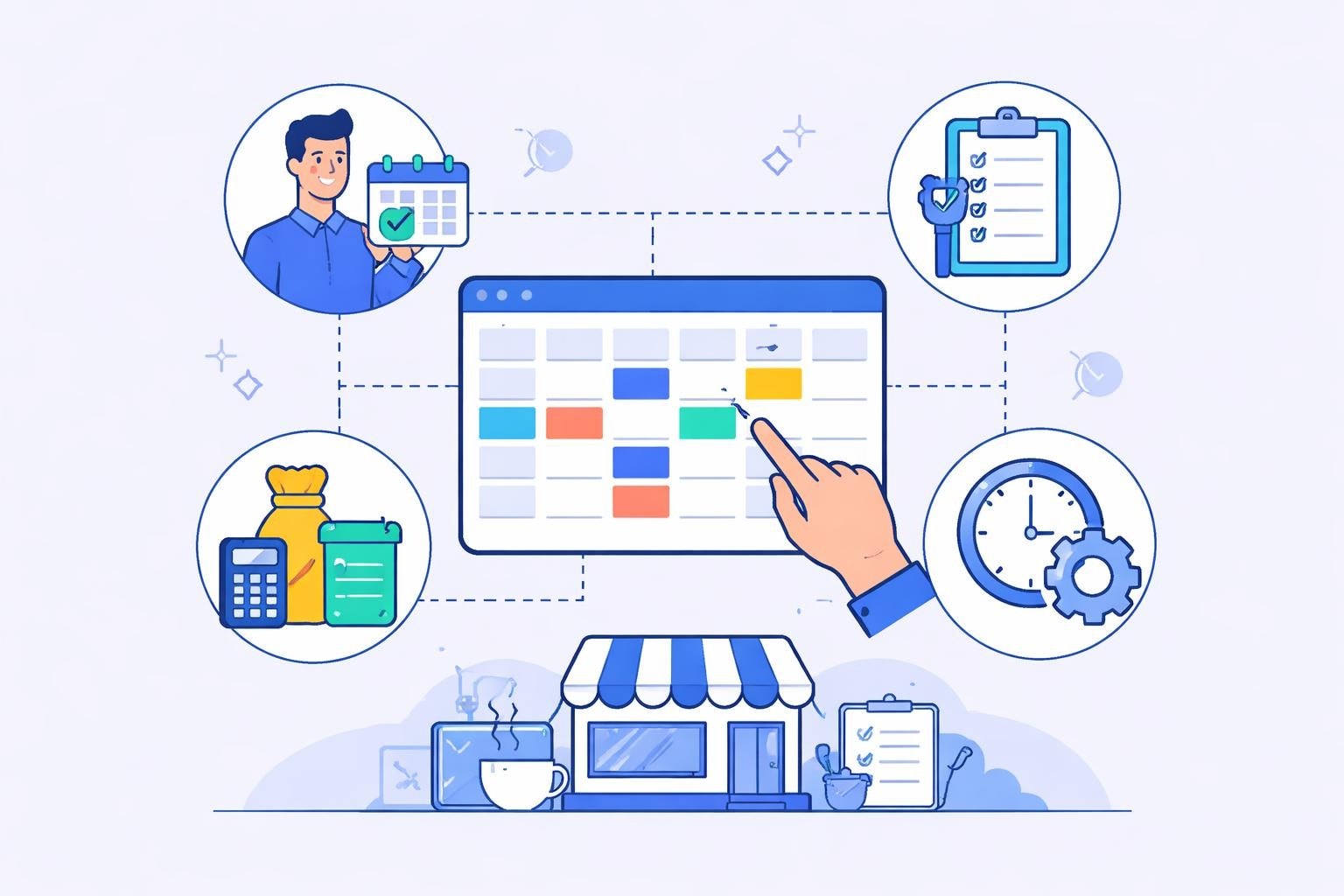
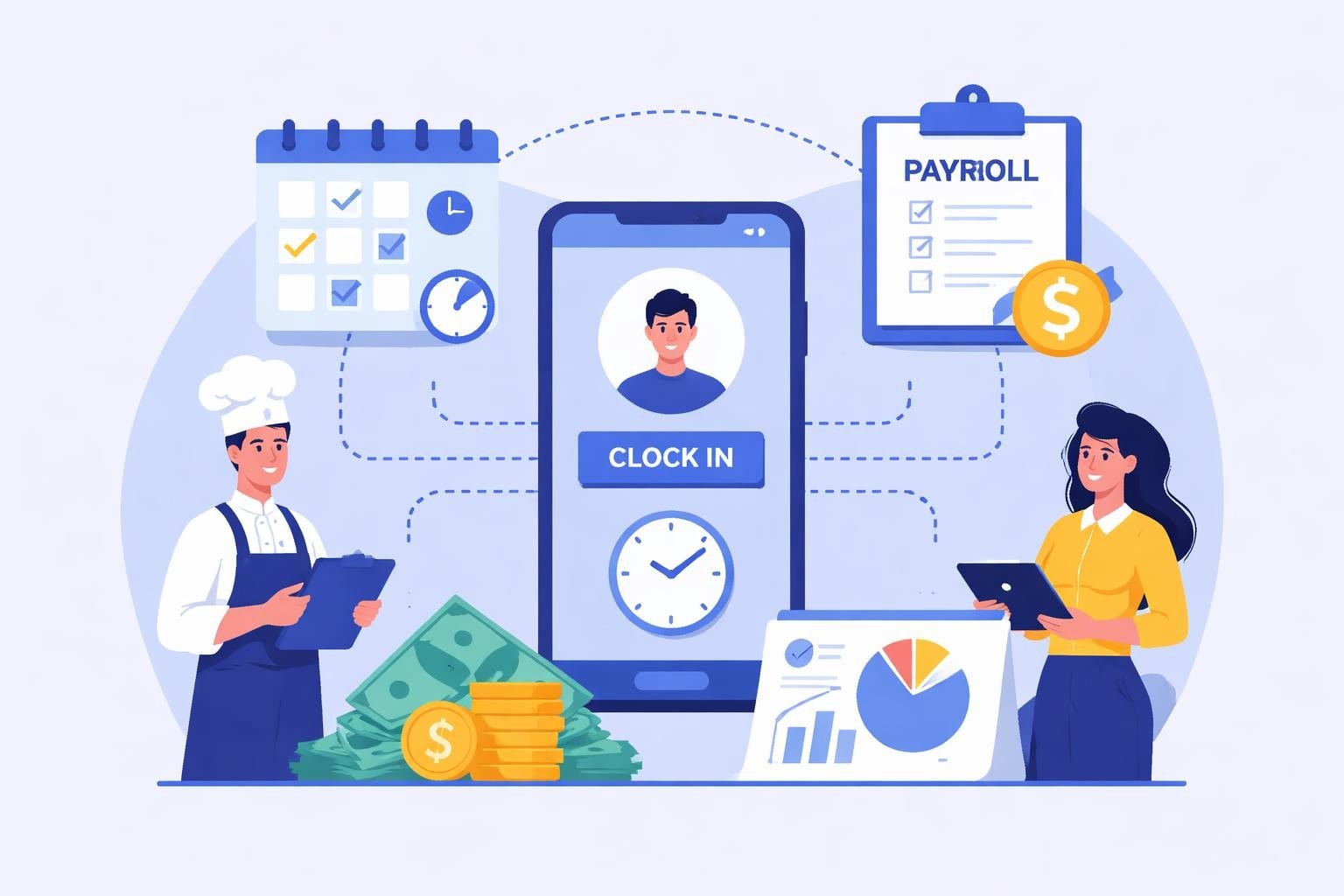
When employees clock in at the start of their shifts, they're doing more than just marking their arrival. This simple action triggers a cascade of data that drives payroll accuracy, labor cost management, compliance with federal regulations, and operational efficiency. For restaurants, cafes, pubs, and other service-industry businesses, the way employees clock in can determine whether you maintain tight control over labor expenses or watch costs spiral out of control. Modern time tracking has evolved far beyond punch cards and paper timesheets, offering sophisticated solutions that integrate seamlessly with scheduling and payroll systems.
Understanding Time Tracking Requirements and Compliance
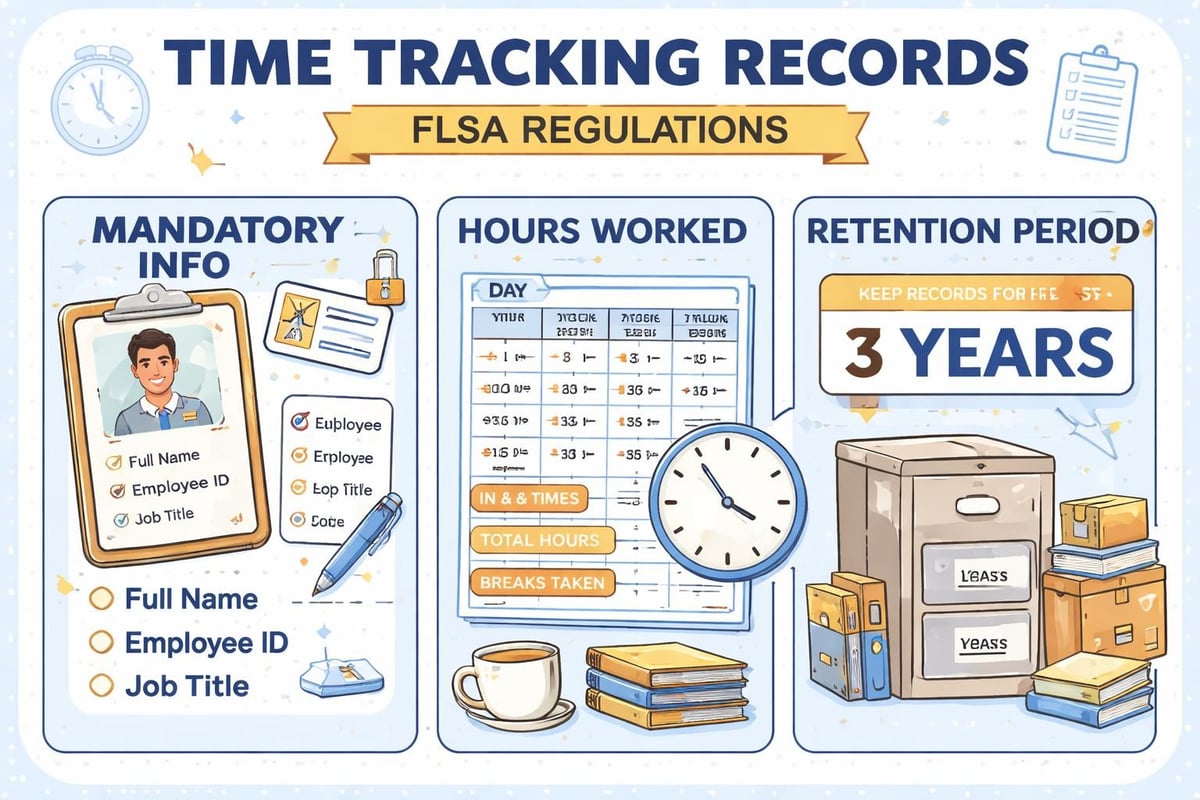
The Fair Labor Standards Act (FLSA) establishes clear requirements for how businesses must track employee work hours. According to federal timekeeping requirements, employers must maintain accurate records of hours worked for non-exempt employees to ensure proper compensation. These regulations aren't optional guidelines but legal mandates that protect both workers and businesses from wage disputes.
When employees clock in, the system must capture precise timestamps that document the exact start of their work period. This becomes particularly critical in the restaurant industry, where shift times can vary based on customer flow, special events, or seasonal demand. Understanding FLSA compliance helps businesses avoid costly penalties while building trust with their workforce through transparent time tracking practices.
Legal Record-Keeping Standards
Businesses must retain time records for at least three years under federal law. These records should include:
Employee's full name and identification number
Complete address with zip code
Date of birth if under 19 years old
Gender and occupation
Regular hourly rate and total hours worked each workday
Total daily or weekly straight-time earnings
Overtime hours and overtime pay
Deductions from wages and total wages paid each pay period
The documentation starts the moment employees clock in and continues through the entire shift. Any modifications to time records must be documented with clear explanations and supervisor approval to maintain audit integrity.
Choosing the Right Time Tracking Method
Not all clocking systems work equally well for every business environment. Restaurants and cafes face unique challenges including high employee turnover, varied shift patterns, and fast-paced work environments where staff cannot always access computers or smartphones immediately.
Traditional vs. Modern Solutions
Method | Advantages | Disadvantages | Best For |
|---|---|---|---|
Paper timesheets | Low initial cost, simple | Error-prone, time-consuming, difficult to audit | Very small operations (under 5 employees) |
Punch clock cards | Physical record, familiar | Manual calculation needed, cards can be lost or damaged | Businesses resistant to digital change |
Mobile apps | Convenient, GPS verification | Requires smartphones, potential privacy concerns | Delivery services, catering operations |
Kiosk systems | Centralized, tamper-resistant | Requires hardware investment | Restaurants, cafes, retail locations |
Biometric scanners | Eliminates buddy punching | Higher cost, privacy considerations | High-security environments |
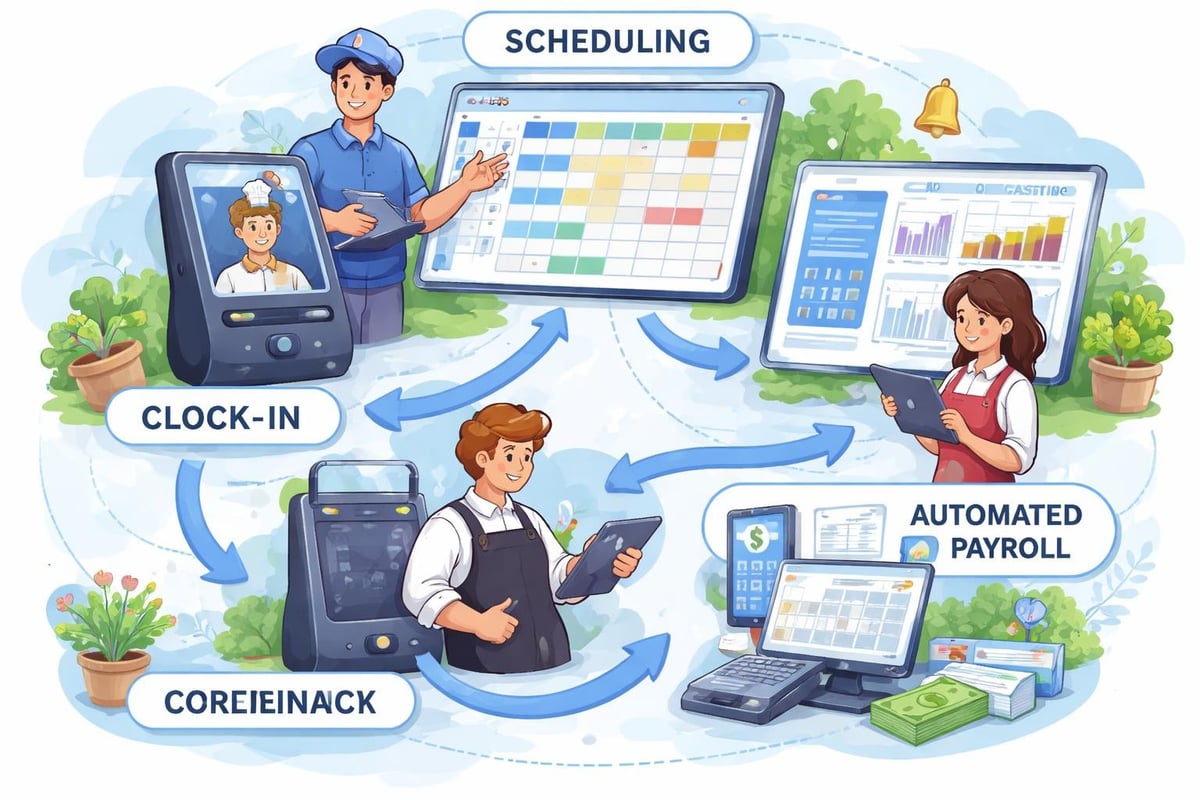
When employees clock in using modern digital systems, the data flows directly into payroll and scheduling platforms. This integration eliminates the manual data entry that often introduces errors and consumes valuable management time. The best time tracking apps offer features specifically designed for hospitality environments, including shift differential tracking and break compliance monitoring.
Implementing Time Tracking Best Practices
Successful time tracking extends beyond simply having employees clock in at shift start. It requires establishing clear policies, training staff properly, and maintaining consistent enforcement across all team members.
Setting Clear Expectations
Every employee should understand exactly when they need to clock in, what constitutes the official start of their shift, and how early arrivals or late starts are handled. Many restaurants struggle with employees arriving significantly before their scheduled time and immediately clocking in, creating unplanned labor costs.
Effective policies typically include:
A defined "grace period" window (such as 5 minutes before to 5 minutes after scheduled time)
Clear procedures for clocking in during different circumstances
Consequences for consistently clocking in too early or late
Process for correcting time entry errors
Manager approval requirements for early clock-ins
Following employee time tracking best practices ensures that your policies encourage honest reporting rather than creating adversarial relationships between management and staff. Transparency builds trust, and trust reduces time theft.
Training Your Team
New employees should receive thorough training on your time tracking system during orientation. This training should cover:
How to physically operate the clock-in system (kiosk, app, or other method)
When to clock in relative to shift start time
Break and meal period requirements
How to handle forgotten clock-ins or clock-outs
Who to contact with time tracking questions
Why accurate time tracking matters for everyone
Regular refresher training helps maintain compliance as employees become complacent over time. Consider quarterly reminders about time tracking policies, especially before busy seasons when you may hire temporary staff.
Reducing Lateness Through Data Analysis
When you consistently track when employees clock in, you build a valuable dataset revealing attendance patterns. Timekeeping best practices to reduce lateness emphasize using this data proactively rather than punitively.
Identifying Root Causes
Frequent lateness often has underlying causes:
Transportation issues: Public transit delays or parking challenges
Childcare conflicts: Drop-off times that conflict with shift starts
Scheduling problems: Shifts starting at inconvenient times
Poor time estimation: Employees not accounting for preparation time
Disengagement: Lack of motivation or job satisfaction
Data analysis helps distinguish between these scenarios. An employee who clocks in 3-7 minutes late daily likely has a transportation challenge. Someone who's 20-30 minutes late inconsistently may have motivational issues. Different problems require different solutions.
Progressive Improvement Strategies
Rather than immediately moving to disciplinary action, consider:
Individual conversations: Discuss the pattern, understand circumstances, collaboratively find solutions
Schedule adjustments: Shift start times 15 minutes to accommodate transportation realities
Incentive programs: Reward consistent on-time performance
Peer accountability: Implement team-based attendance goals
Technology reminders: Automated shift reminders sent via text or app notification
Many restaurants find that small schedule adjustments eliminate chronic lateness more effectively than progressive discipline, improving both attendance and morale.
Leveraging Time Tracking Data for Business Intelligence
The data generated when employees clock in contains insights extending far beyond payroll. Smart restaurant operators use this information to optimize operations and reduce costs.
Labor Percentage Analysis
Tracking actual hours worked against revenue shows your true labor cost percentage. When employees clock in earlier than scheduled or stay later than needed, labor percentage creeps upward. Real-time monitoring lets you:
Identify shifts where actual labor consistently exceeds plans
Adjust scheduling to match actual customer demand patterns
Recognize managers who effectively control labor costs
Forecast future labor needs based on historical patterns
Shift Productivity Metrics
Comparing time worked to productivity metrics reveals efficiency opportunities:
Metric | Calculation | Insight |
|---|---|---|
Sales per labor hour | Total sales ÷ total hours worked | Overall labor efficiency |
Covers per labor hour | Guests served ÷ total hours worked | Service efficiency |
Labor cost per cover | Total labor cost ÷ guests served | Cost per customer |
Productivity variance | Actual hours ÷ scheduled hours | Schedule accuracy |
These metrics help identify high-performing employees, optimal shift configurations, and training opportunities. The analysis begins with accurate data captured when employees clock in and continues through comprehensive reporting.
Mobile Time Tracking Considerations
Mobile apps allow employees to clock in from anywhere, offering flexibility but introducing new challenges. For restaurants with delivery services or catering operations, mobile clock-in capability becomes essential.
Balancing Convenience and Control
Mobile time tracking works best when it includes:
GPS verification confirming employees are at approved locations
Geofencing that restricts clock-in to specific areas
Photo capture creating visual verification
Manager approval workflows for unusual clock-ins
Offline capability with sync when connectivity returns
These features prevent abuse while providing the flexibility that mobile workers need. Solutions designed for shift swapping and flexible scheduling often incorporate mobile-friendly time tracking that maintains necessary controls.
Privacy Considerations
Mobile tracking raises legitimate privacy concerns. Clear policies should specify:
When GPS tracking is active (only during scheduled shift hours)
How location data is used and who can access it
Data retention and deletion schedules
Employee rights regarding tracking data
Opt-out procedures for personal device use
Transparency about tracking practices builds trust and reduces resistance to mobile time tracking adoption.
Automating Timesheet Generation and Approval
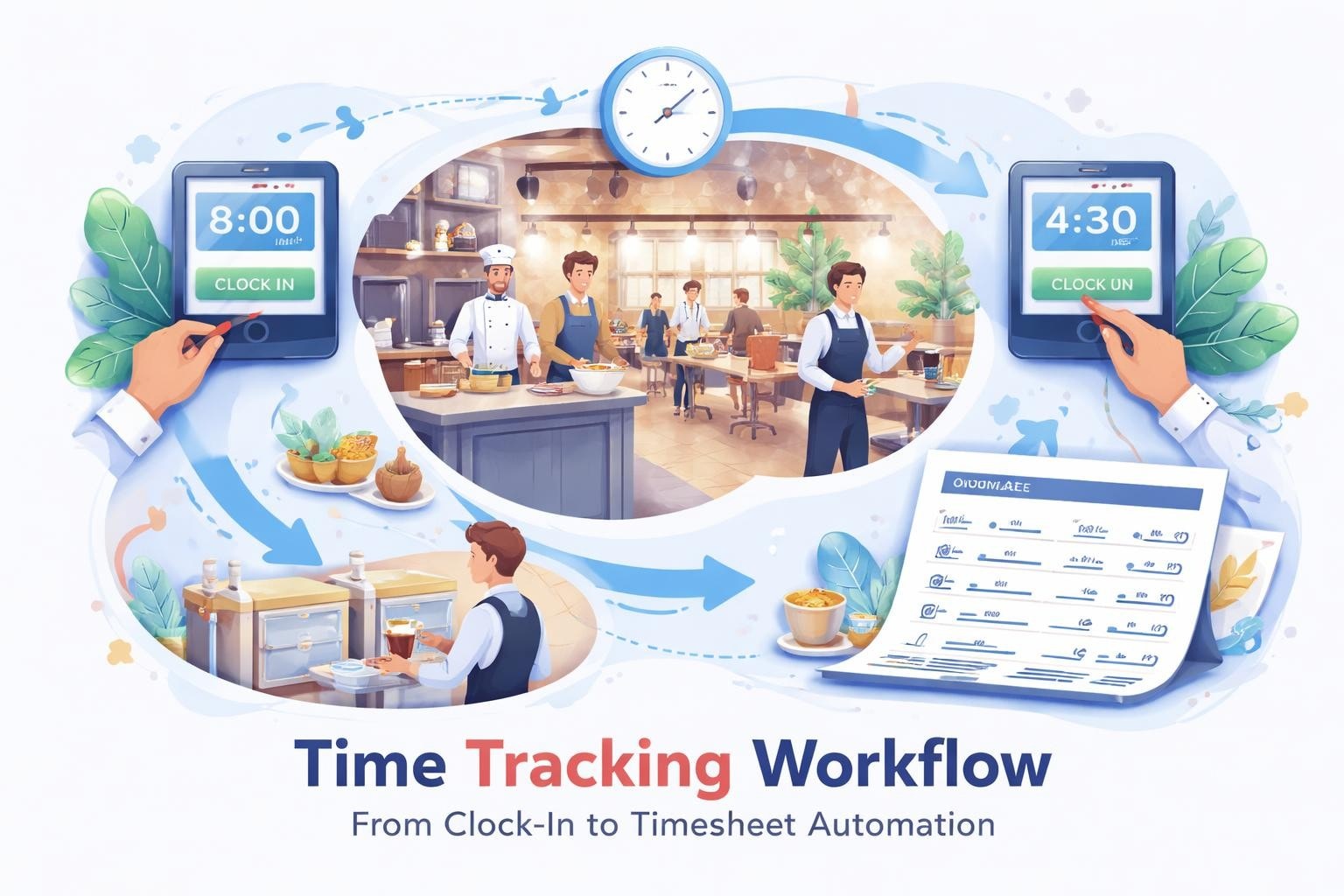
When employees clock in and out consistently, automated timesheet generation eliminates hours of administrative work. Modern systems compile time entries, calculate total hours, apply overtime rules, and route timesheets for approval automatically.
Streamlined Approval Workflows
Efficient timesheet approval follows a standard pattern:
System automatically generates timesheets at end of pay period
Employees review their hours for accuracy via mobile app or web portal
Employees electronically sign off on timesheets
Manager receives batch of timesheets for team review
Manager approves correct timesheets, flags discrepancies
Payroll receives approved timesheets automatically
Exceptions are resolved through correction workflow
This automation reduces payroll processing time by 60-80% while improving accuracy. The key is capturing clean data from the moment employees clock in, minimizing corrections needed downstream.
Future Trends in Time Tracking
Time tracking technology continues evolving, with several emerging trends reshaping how employees clock in:
Artificial intelligence analyzes patterns to predict scheduling needs, identify potential time theft, and suggest optimal break times based on customer flow.
Wearable devices allow employees to clock in via smartwatches or RFID badges, streamlining the process while maintaining verification.
Voice-activated systems enable hands-free clock-in in environments where touchscreens are impractical, such as commercial kitchens.
Blockchain verification creates immutable time records that prevent tampering and provide absolute audit certainty.
Predictive analytics use historical clock-in patterns to forecast future labor needs with greater accuracy than traditional scheduling methods.
Staying current with these developments helps restaurants maintain competitive advantages through superior operational efficiency.
Selecting Time Tracking Software for Your Business
Choosing the right system requires evaluating features against your specific operational needs. Restaurants have different requirements than offices, making specialized solutions more effective than general-purpose time tracking.
Essential Features for Restaurants
Quick clock-in process (under 5 seconds from approach to confirmation)
Shift differential tracking for varied pay rates
Tip integration connecting hours worked with tip reporting
Break compliance automation with required rest period tracking
Multi-location support for businesses with multiple restaurants
Mobile access for managers to monitor attendance remotely
Reporting flexibility with customizable labor analysis
Payroll integration feeding data directly to payment processing
Understanding timesheet legal requirements ensures your chosen solution maintains necessary compliance while serving operational needs. The right system makes it simple when employees clock in while capturing all data needed for payroll, compliance, and business intelligence.
Accurate time tracking begins the moment employees clock in and continues through sophisticated data analysis that drives better business decisions. By implementing clear policies, choosing appropriate technology, and maintaining consistent enforcement, restaurants can transform time tracking from an administrative burden into a strategic advantage. Heybegin provides comprehensive time tracking and scheduling solutions designed specifically for restaurants, cafes, and service industry businesses, helping you automate timesheets, maintain compliance, and reduce labor costs through real-time insights and intelligent workforce management.