Tracking Labor: A Complete Guide for Service Industries
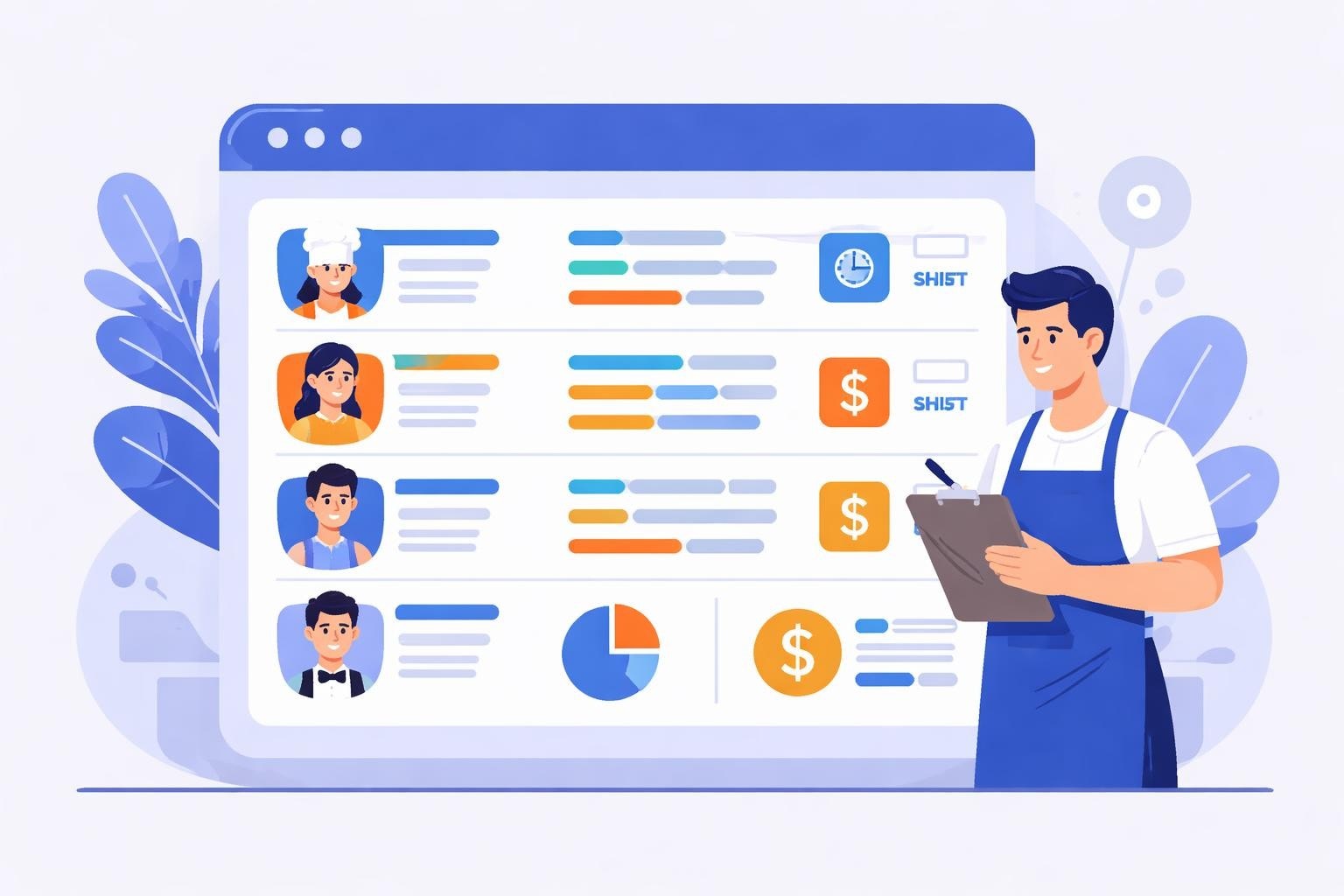
Discover how tracking labor improves restaurant efficiency, reduces costs, and simplifies payroll. Learn best practices for the service industry.
Managing workforce hours effectively stands as one of the most challenging aspects of running a restaurant, cafe, or any service-oriented business. The difference between profitability and operating in the red often comes down to how well you monitor employee time, control overtime, and align staffing levels with customer demand. Modern technology has transformed this process, making it easier than ever to maintain accurate records while reducing administrative burden.
Understanding the Fundamentals of Labor Tracking
Tracking labor involves systematically recording when employees start work, take breaks, and clock out. This process captures essential data including regular hours, overtime, shift differentials, and attendance patterns. Beyond simple timekeeping, it provides critical insights into staffing efficiency, helps managers identify productivity trends, and ensures accurate payroll processing.
For restaurants and service businesses, the stakes are particularly high. Labor typically represents 25-35% of total operating costs, making it the second-largest expense after food costs. Even small inefficiencies compound quickly across multiple employees and locations.
Key Components of Effective Labor Monitoring
A comprehensive system includes several essential elements working together:
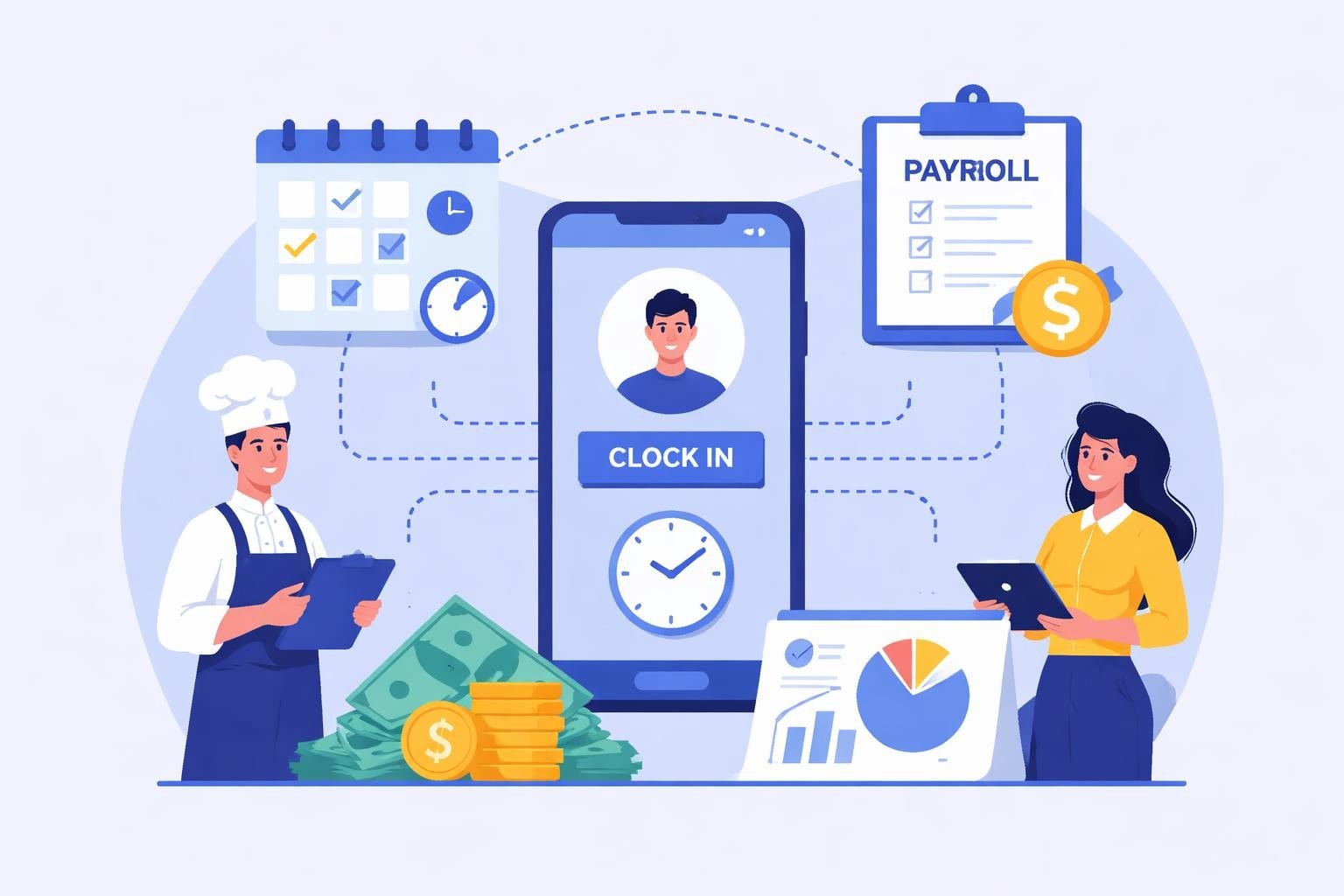
Real-time clock-in and clock-out functionality that prevents buddy punching and time theft
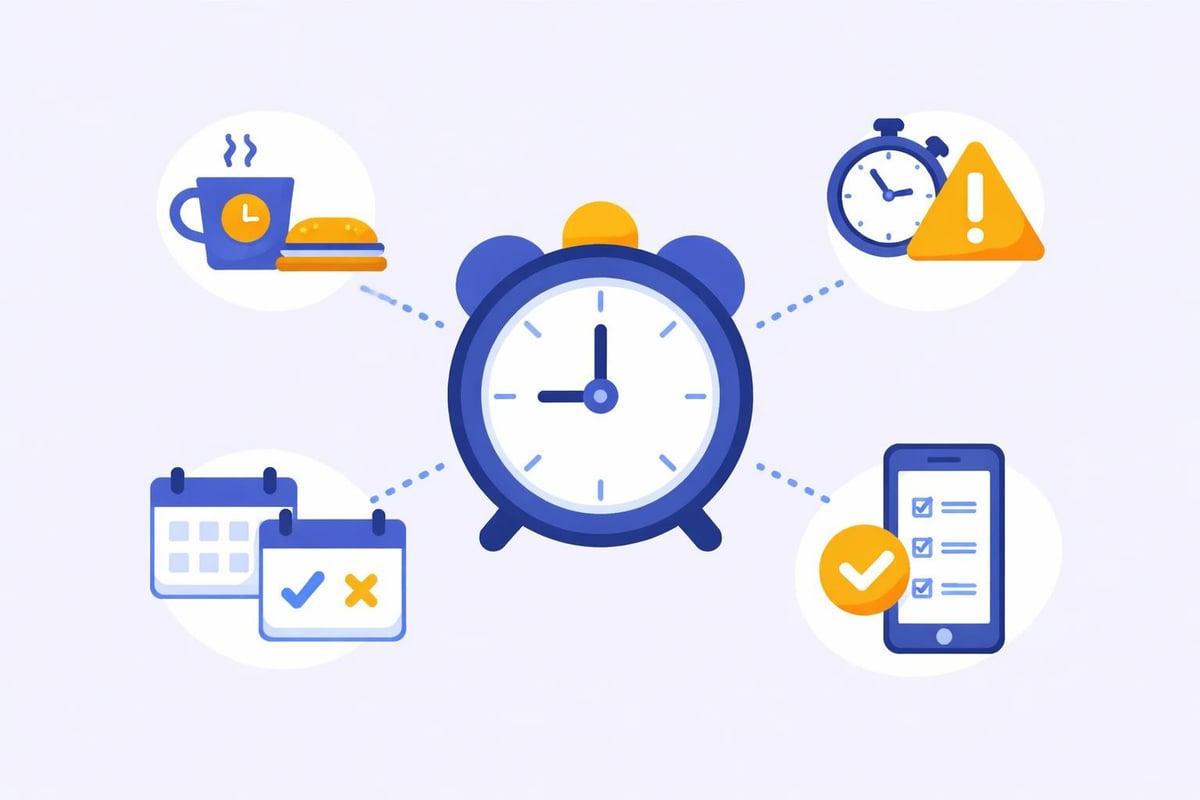
Automatic break tracking to ensure compliance with labor laws
Overtime alerts that notify managers before employees exceed standard hours
Schedule integration that compares planned versus actual hours worked
Mobile accessibility allowing employees to clock in from designated locations
Research on labor consumption measurement systems demonstrates how real-time tracking technologies improve accuracy and provide actionable insights for operational decisions.
The Financial Impact of Accurate Time Records
Poor tracking labor practices cost businesses thousands of dollars annually through various channels. Time theft, whether intentional or accidental, averages 4.5 hours per week per employee. Multiply that across a team of 20 employees, and you're losing nearly 100 hours weekly-equivalent to more than two full-time positions.
Manual timekeeping introduces errors that cascade through your entire payroll system. A manager rushing to process timesheets might round up minutes, miss missed punches, or incorrectly calculate overtime rates. These mistakes result in overpayments, compliance violations, and frustrated employees who receive incorrect paychecks.
Issue | Annual Cost Impact | Solution |
|---|---|---|
Time theft (4.5 hrs/week) | $18,000 per 20 employees | Automated clock-in with GPS verification |
Manual entry errors | $5,000-$12,000 | Digital time tracking integration |
Uncontrolled overtime | $15,000-$25,000 | Real-time alerts and approvals |
Compliance penalties | $2,000-$50,000 | Automated break and rest period tracking |
Understanding labor costs for restaurants requires examining both direct wages and the hidden expenses that inefficient systems create.
Implementing Digital Solutions in Service Environments
Traditional punch cards and paper timesheets simply cannot meet the demands of modern service businesses. Digital platforms designed specifically for restaurants and cafes address unique industry challenges like split shifts, varying hourly rates for different positions, and high employee turnover.
Choosing the Right Technology
Not all tracking labor solutions work equally well for service industries. Restaurant-specific features matter significantly:
Quick clock-in processes that don't create bottlenecks during shift changes
Role-based permissions allowing shift leaders limited access without full admin rights
Tip tracking integration for accurate earnings records
Labor cost analytics showing real-time percentages against revenue
Seamless schedule connectivity eliminating duplicate data entry
The transition from manual to digital systems typically takes 2-4 weeks for full adoption. Success depends on proper training, clear communication about benefits, and addressing employee concerns about privacy and surveillance.
Real-Time Monitoring and Proactive Management
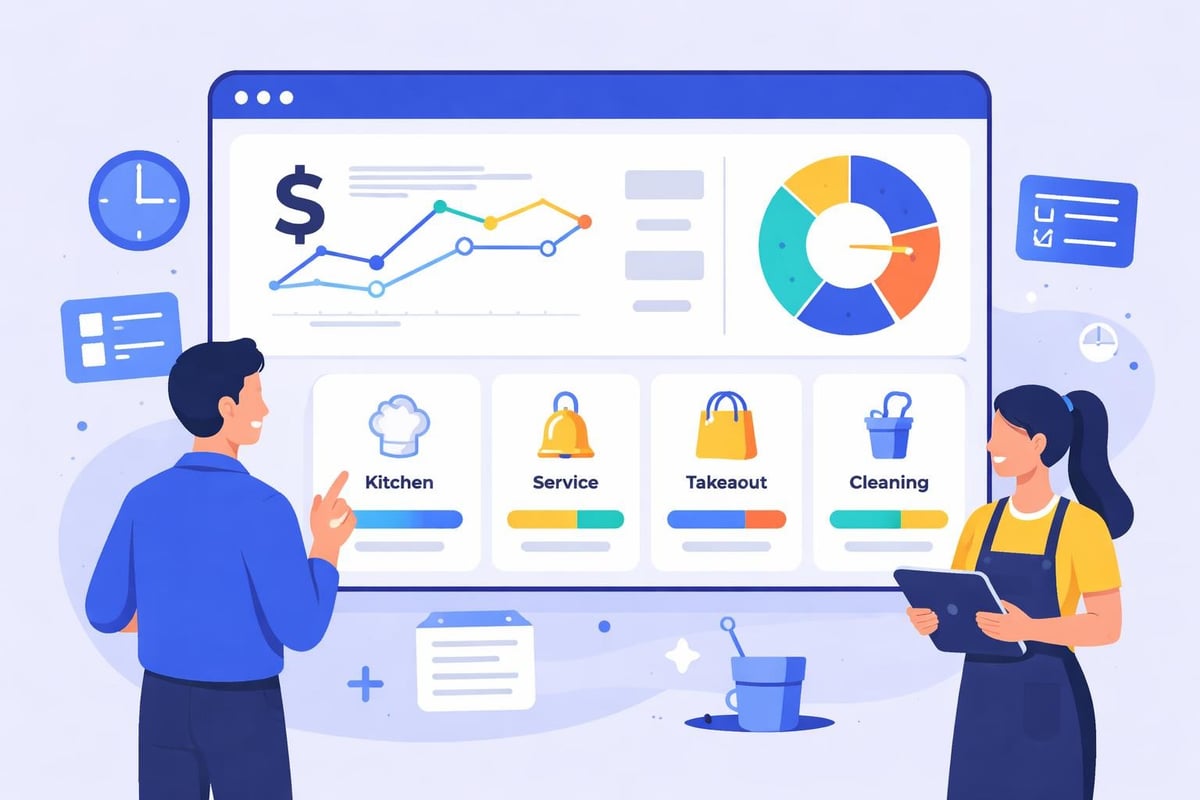
The true power of modern tracking labor systems lies in their ability to provide instant visibility into workforce deployment. Managers can see at a glance who's working, whether they're approaching overtime, and how actual labor costs compare to budgeted amounts.
This real-time awareness enables proactive decision-making. If lunch service is slower than expected, you can offer early cuts to willing employees. When unexpected rushes occur, you know exactly who's available to call in without exceeding budget constraints.
Dashboard Metrics That Drive Better Decisions
Smart platforms surface the most critical data points managers need:
Current shift labor cost as a percentage of sales
Overtime hours accumulating throughout the week
Attendance patterns indicating reliability issues
Schedule adherence showing early or late clock-ins
Department or position-level productivity comparisons
Research examining labor tracking methodologies in logistics environments shows how sensor-based monitoring improves both worker well-being and operational performance-principles that translate directly to restaurant settings.
Compliance and Legal Considerations
Tracking labor accurately protects businesses from costly compliance violations. Federal and state laws mandate specific record-keeping requirements, break periods, and overtime calculations. Automated systems reduce the risk of violations by building these rules into the platform.
California's complex meal and rest break requirements, for example, trigger penalties of one hour's pay for each violation. Multiply those penalties across multiple employees and locations, and non-compliance becomes extremely expensive. Digital systems automatically track break timing and duration, flagging potential issues before they become violations.
Privacy and Employee Rights
While tracking labor is essential for business operations, implementation must respect employee privacy. Workers have legitimate concerns about surveillance and data usage. Transparent policies addressing what data you collect, how you use it, and who has access build trust and reduce resistance.
The intersection of labor tracking and privacy has gained attention in recent years, particularly regarding technology workers, but lessons apply across industries. Clear communication and employee input during system selection help ensure buy-in.
Integration With Broader Workforce Management
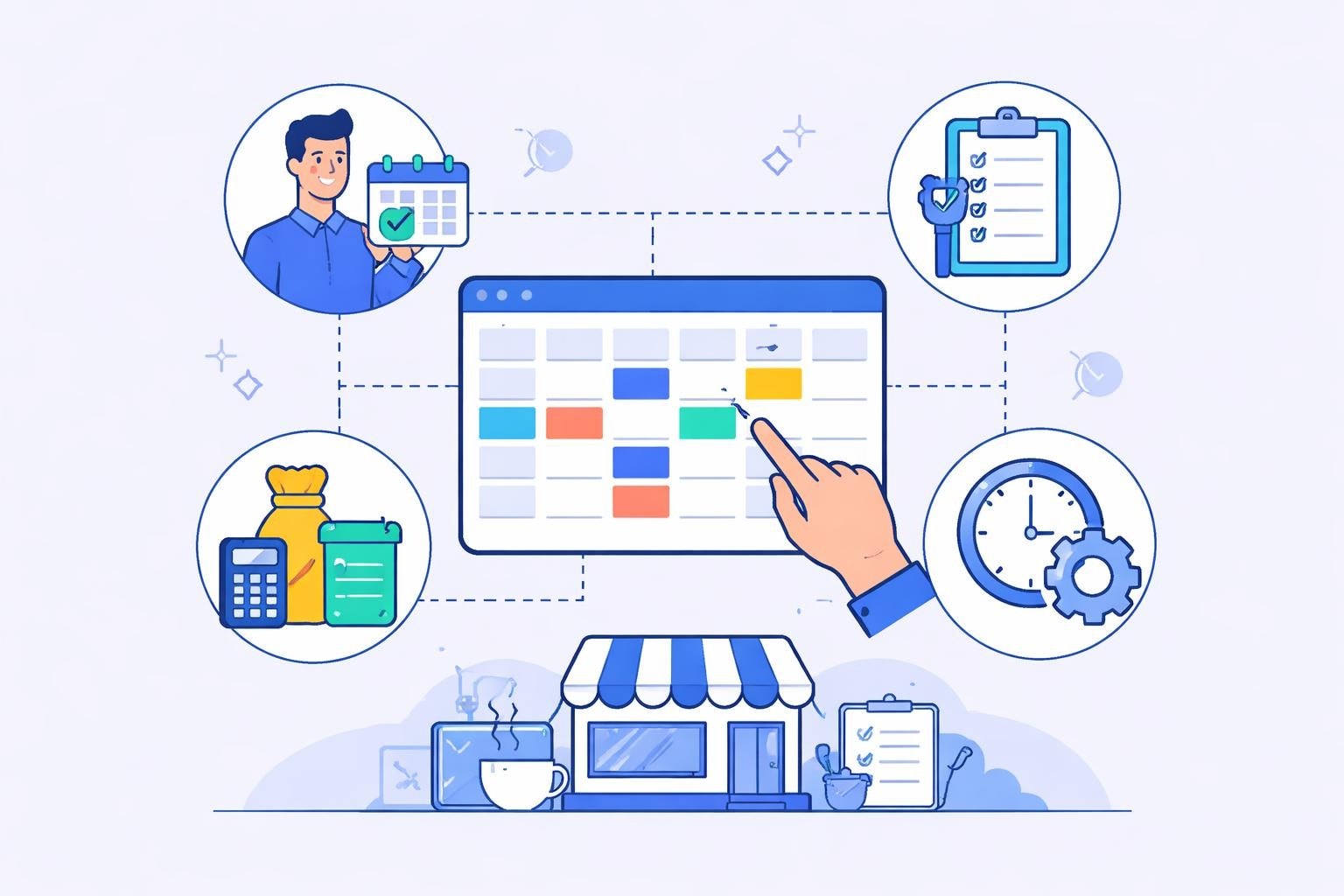
Tracking labor delivers maximum value when integrated with scheduling, payroll, and HR systems. This connectivity eliminates manual data transfer, reduces errors, and provides a comprehensive view of workforce performance.
When your time tracking platform connects directly to payroll, approved hours flow automatically into wage calculations. No more re-entering data or reconciling discrepancies between systems. Managers save hours each pay period while reducing the risk of payment errors.
Building a Connected Ecosystem
Modern workforce management platforms create a unified environment where different functions share data seamlessly:
System Component | Data Shared | Benefit |
|---|---|---|
Scheduling | Planned vs. actual hours | Identifies consistent early/late patterns |
Payroll | Approved time records | Eliminates manual entry and errors |
Point of Sale | Sales data by hour | Enables labor cost percentage tracking |
HR Systems | Leave balances, certifications | Ensures qualified staff are scheduled |
Tools for time tracking work best when they're designed specifically for restaurant and service industry workflows rather than generic business solutions.
Analyzing Trends and Optimizing Staffing
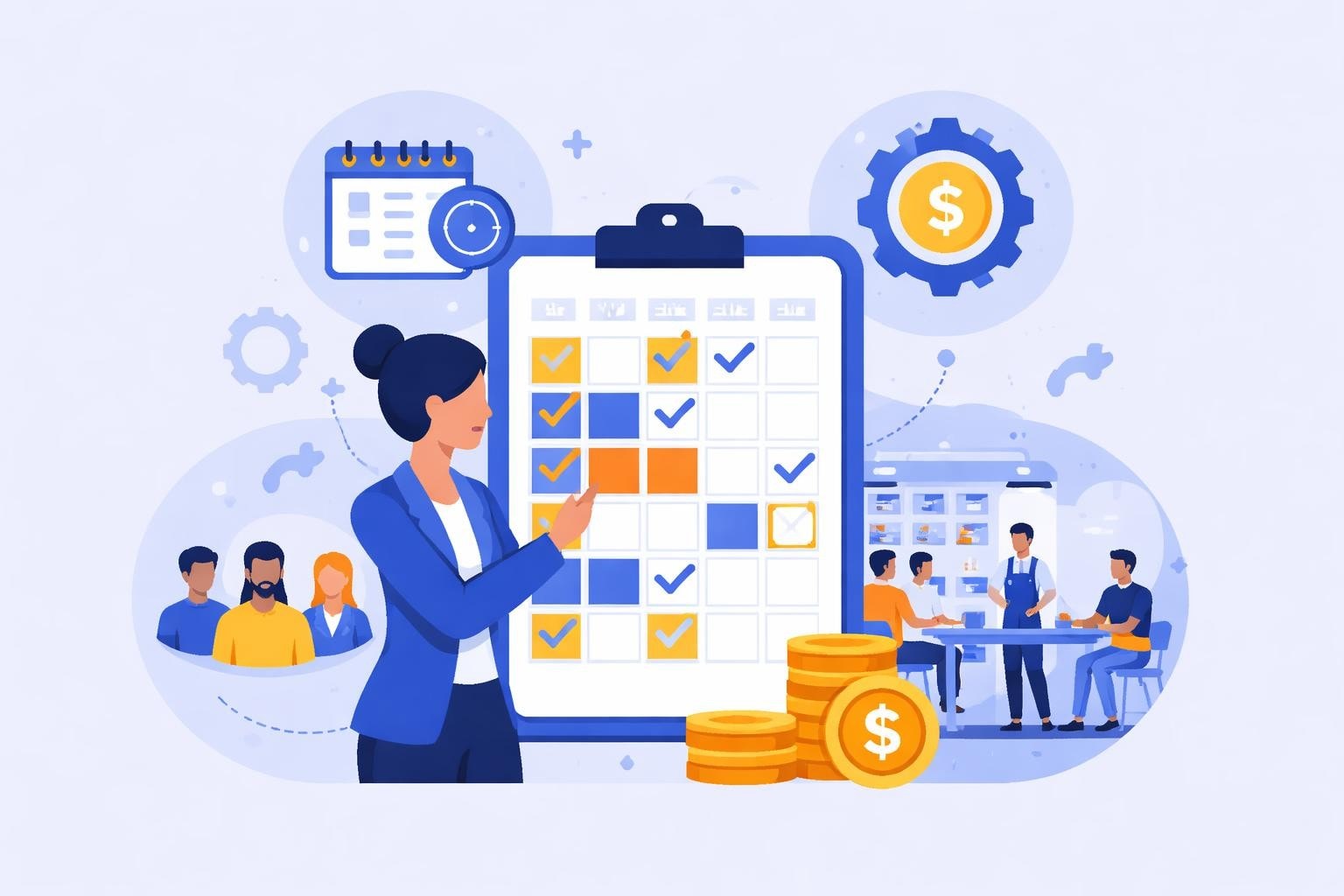
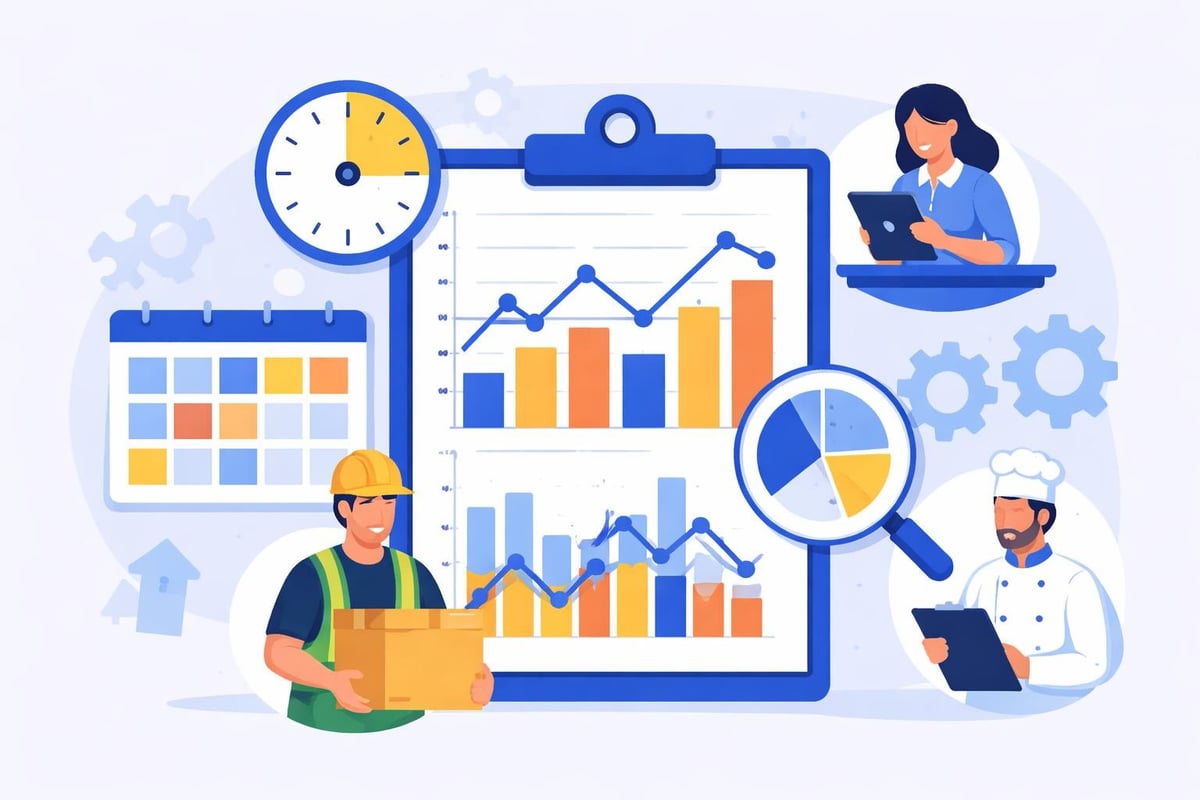
Historical tracking labor data reveals patterns invisible in day-to-day operations. You might discover that Tuesday lunch requires less staffing than you've traditionally scheduled, or that certain employees consistently work more efficiently during specific dayparts.
These insights drive strategic staffing decisions. Instead of scheduling based on habit or assumption, you can deploy your workforce according to actual demand patterns. This optimization reduces labor waste while maintaining service quality during busy periods.
Advanced Analytics and Forecasting
Sophisticated platforms apply predictive analytics to historical data, suggesting optimal staffing levels based on factors like day of week, weather, local events, and seasonal trends. These recommendations help managers build more accurate schedules that balance service needs with cost control.
Mobile Accessibility and Remote Management
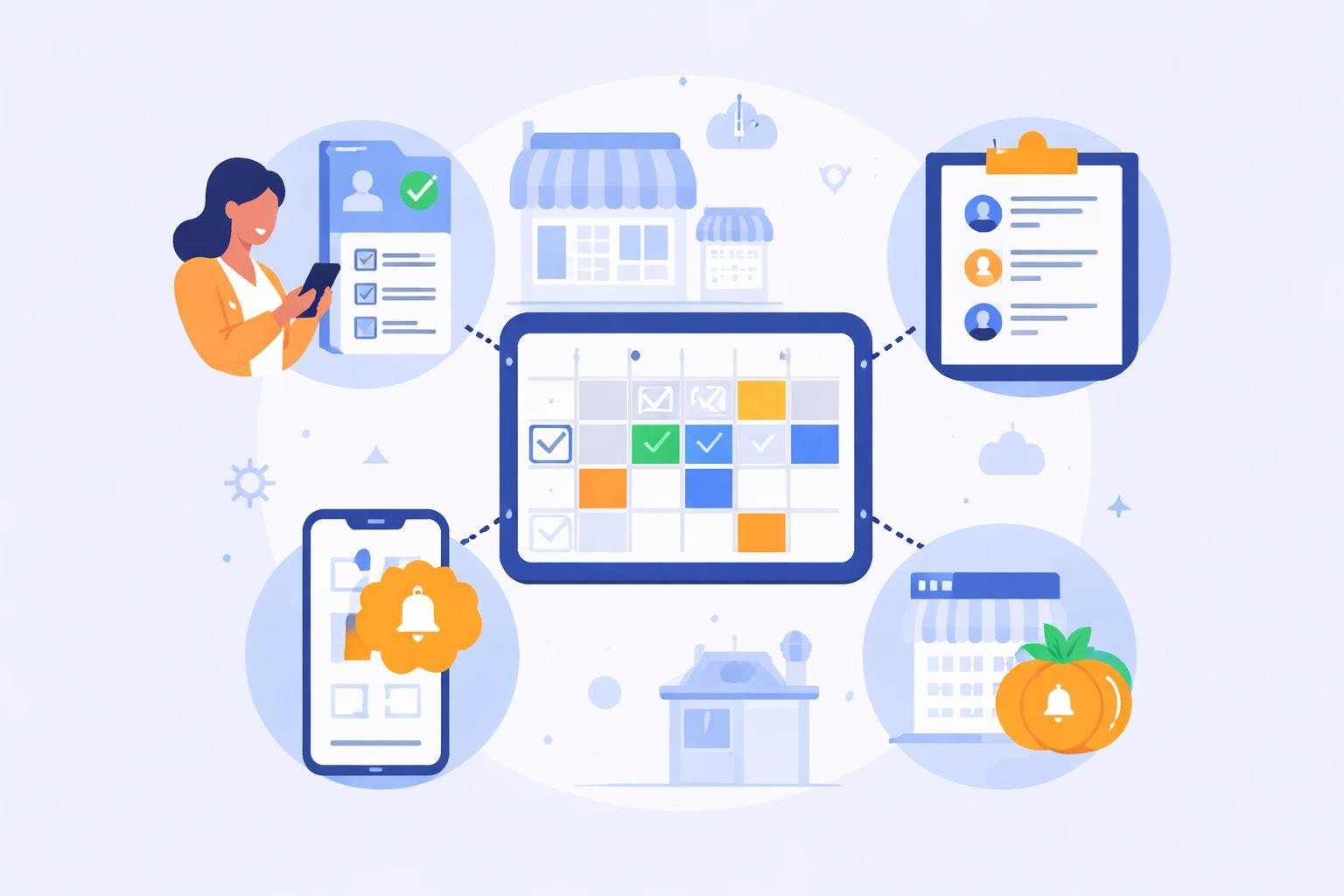
Restaurant managers rarely sit at desks reviewing reports. They're on the floor during service, visiting multiple locations, or handling crises away from the office. Mobile-first tracking labor platforms acknowledge this reality by putting critical functionality in managers' pockets.
Approving time-off requests, reviewing who's clocked in, or checking labor cost percentages-all happen through intuitive mobile apps. This accessibility doesn't just add convenience; it enables faster decision-making and more responsive management.
Employees benefit from mobile access too. They can view schedules, request shift swaps, and clock in from approved locations using their smartphones. This self-service functionality reduces administrative burden on managers while giving workers more control over their schedules.
Training and Change Management
Implementing new tracking labor systems requires more than technical setup. Success depends on getting both managers and employees comfortable with new processes and understanding how the system benefits them personally.
Staff Training Best Practices
Effective rollout includes multiple touchpoints:
Small group training sessions allowing hands-on practice and questions
Quick reference guides posted in break rooms and shared digitally
Manager champions who master the system first and help peers
Ongoing support through the first few pay cycles
Feedback loops capturing issues and suggestions for improvement
Research on labor market tracking in education shows how systematic monitoring impacts outcomes-principles that apply when training restaurant staff on new systems.
The National Bureau of Economic Research's Labor Studies Program offers extensive research on employment and compensation issues that inform best practices across industries.
Automated Reporting and Administrative Efficiency
Perhaps the most immediate benefit of modern tracking labor systems is the elimination of manual timesheet compilation. What once consumed hours each week-collecting paper timecards, deciphering handwriting, calculating totals, and entering data-now happens automatically.
Managers configure report templates once, then receive scheduled deliveries of the exact data they need. Weekly labor summaries, overtime reports, attendance records, and custom analytics arrive via email without any manual effort.
This automation extends to payroll processing. Instead of manually transferring approved hours to your payroll provider, integrated systems push data directly. The result is faster processing, fewer errors, and significantly reduced administrative overhead.
Addressing Common Implementation Challenges
Despite clear benefits, businesses often encounter obstacles when adopting new tracking labor technology. Resistance from long-term employees accustomed to old methods, technical difficulties during initial setup, and learning curves all pose challenges.
Overcoming Resistance
Change management strategies help smooth the transition:
Emphasize accuracy benefits showing how employees receive correct pay faster
Demonstrate fairness through consistent application of policies
Highlight convenience of mobile access and self-service features
Address privacy concerns with transparent policies and data protection measures
Celebrate early wins when the system catches errors or saves time
Technical issues typically resolve quickly with responsive vendor support. Choosing platforms designed specifically for restaurant and service industry needs-rather than generic workforce management tools-reduces implementation friction significantly.
Effective tracking labor transforms restaurant and service business operations by providing accurate time records, enabling proactive management, and reducing administrative burden. The financial impact extends beyond preventing time theft to include better staffing optimization, compliance protection, and strategic decision-making based on real data. Heybegin offers scheduling and time tracking solutions built specifically for the unique demands of restaurants, cafes, and service industries, combining real-time tracking with automated reporting to help you control labor costs while simplifying daily operations.