Automated Staff Scheduling: Transform Your Workforce
Discover how automated staff scheduling reduces labor costs, eliminates errors, and improves efficiency for restaurants and service businesses in 2026.
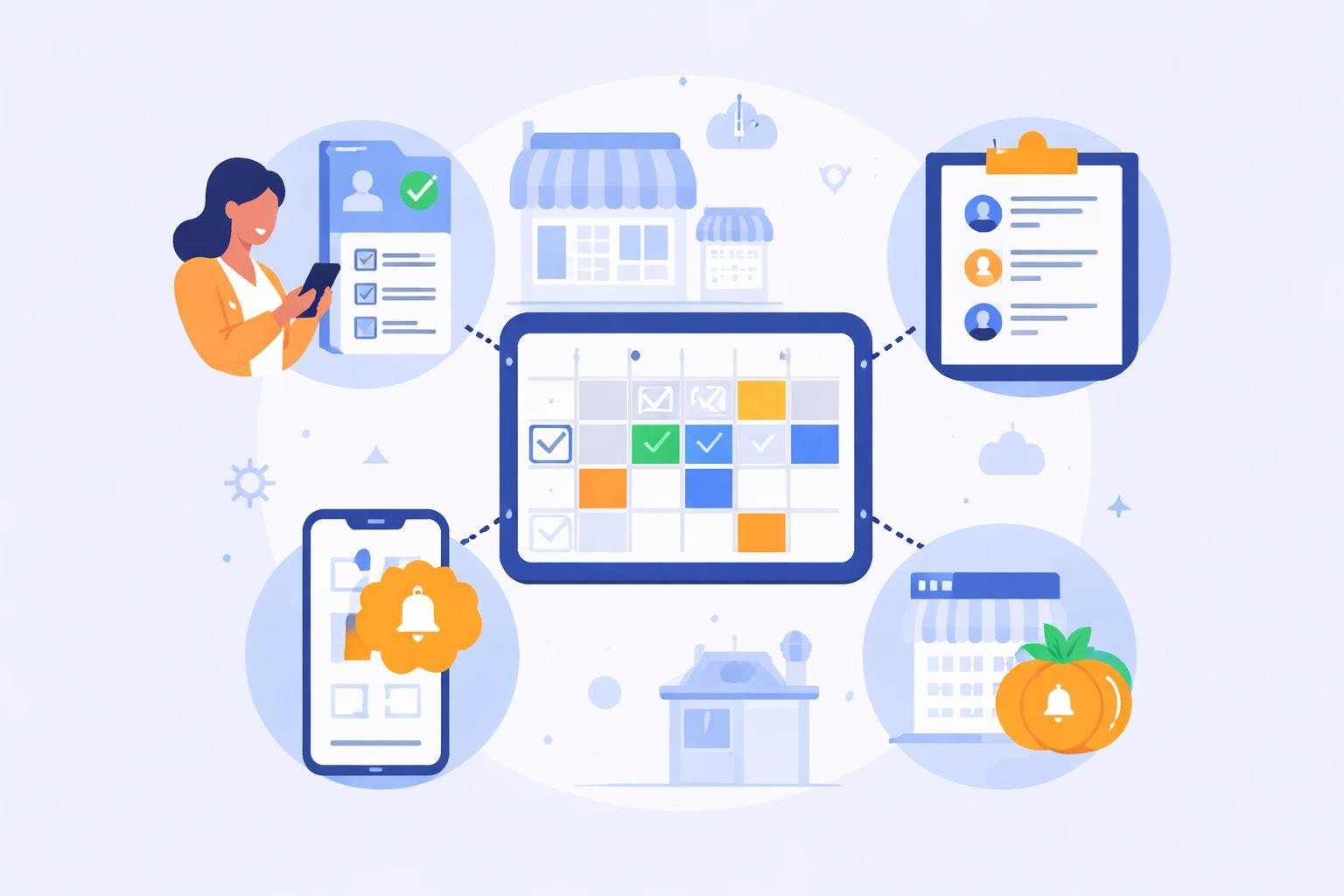
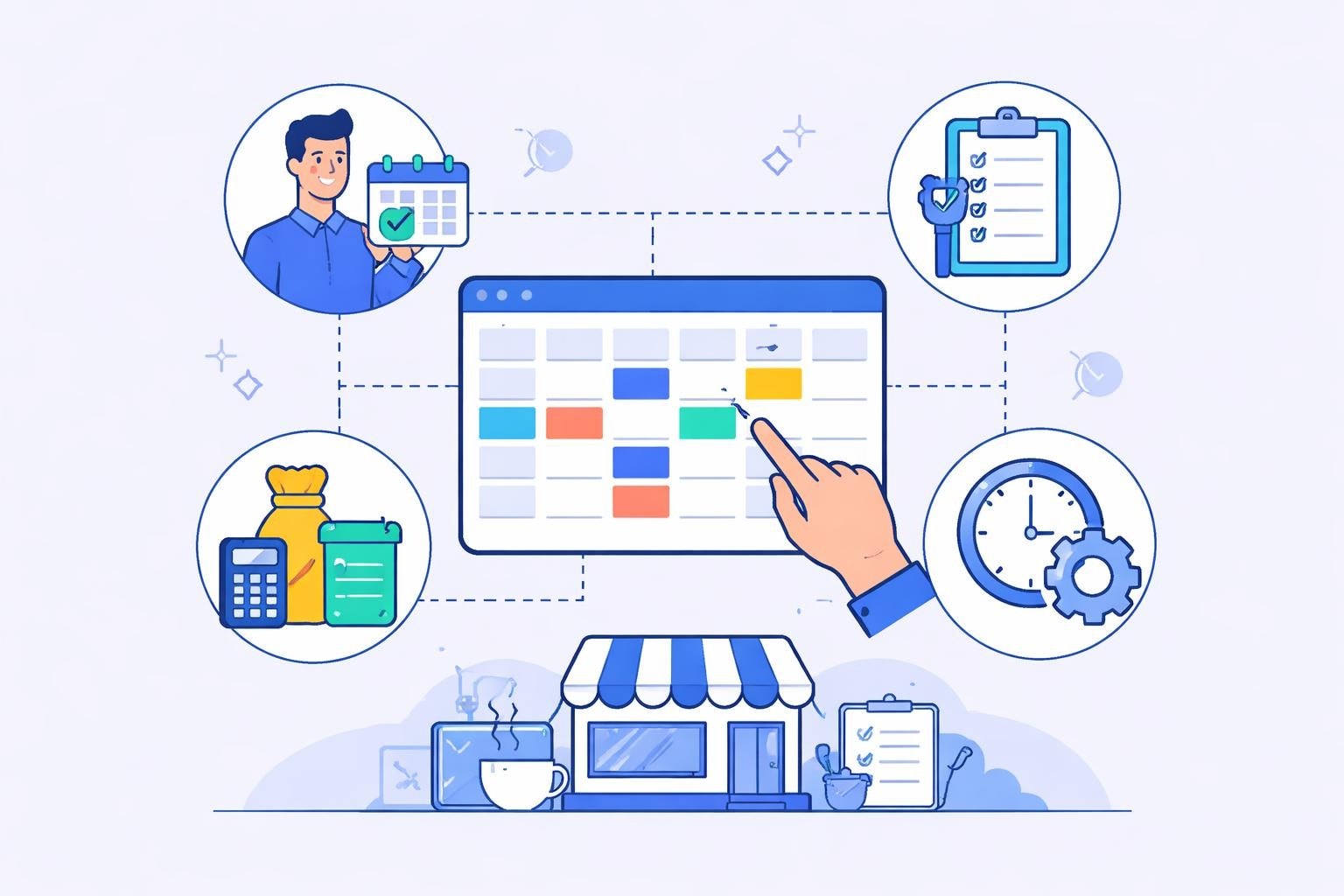
Managing staff schedules manually has become an outdated practice for modern service businesses. The hospitality industry faces unique challenges with fluctuating customer demand, varying employee availability, and strict labor budget constraints. Automated staff scheduling transforms this complex puzzle into a streamlined process, allowing managers to focus on service quality rather than spreadsheet management. By leveraging intelligent algorithms and real-time data, businesses can optimize their workforce allocation while reducing administrative burden and improving employee satisfaction.
The Evolution of Workforce Management in Service Industries
The restaurant and hospitality sectors have historically relied on pen-and-paper schedules or basic spreadsheet templates. This approach creates numerous friction points that directly impact profitability and team morale.
Traditional scheduling methods consume valuable management time. The average restaurant manager spends between 4 to 8 hours weekly creating schedules manually. This time investment multiplies when schedule changes occur due to call-outs, shift swaps, or unexpected customer volume.
Common pain points with manual scheduling include:
Last-minute shift coverage scrambles
Double-booking or understaffing errors
Difficulty tracking labor law compliance
Inability to predict labor costs accurately
Communication breakdowns with staff
Lost productivity from administrative tasks

The complexity intensifies for businesses operating multiple locations or managing diverse roles with different skill requirements. Research demonstrates how automated scheduling systems optimize workforce allocation while significantly reducing scheduling errors across various business models.
How Automated Staff Scheduling Systems Function
Modern scheduling platforms combine multiple technologies to create intelligent workforce solutions. These systems analyze historical data, employee preferences, labor regulations, and business forecasts to generate optimized schedules automatically.
Core Components of Scheduling Automation
The foundation begins with employee data management. Systems store comprehensive profiles including availability, qualifications, certifications, preferred shifts, and performance metrics. This information feeds into the scheduling engine for intelligent assignments.
Demand forecasting represents another critical element. By analyzing sales data, reservation patterns, weather forecasts, and local events, platforms predict staffing needs with remarkable accuracy. Restaurants can align their workforce precisely with anticipated customer volume.
Key automation features include:
Constraint-based scheduling that respects labor laws and company policies
Predictive analytics for accurate labor demand forecasting
Real-time adjustment capabilities when situations change unexpectedly
Integration with payroll systems for seamless timesheet processing
Mobile accessibility enabling employees to view and manage schedules anywhere
The algorithm considers multiple variables simultaneously, something impossible for manual scheduling. It balances employee preferences, seniority, skill requirements, budget constraints, and legal compliance requirements to produce optimal results.
Financial Impact on Restaurant Operations
Labor costs represent the largest controllable expense for most service businesses, typically accounting for 25-35% of total revenue. Inefficient scheduling directly erodes profit margins through unnecessary overtime, overstaffing during slow periods, and understaffing during peak hours.
Automated staff scheduling delivers measurable cost reductions through precise workforce alignment. When schedules match actual demand patterns, businesses eliminate wasteful labor spending while maintaining service quality. The system identifies opportunities to optimize shift lengths, minimize overtime, and reduce reliance on expensive temporary staff.
Cost Factor | Manual Scheduling | Automated Scheduling | Potential Savings |
|---|---|---|---|
Administrative Time | 6 hours/week | 1 hour/week | 5 hours weekly |
Scheduling Errors | 8-12 per month | 1-2 per month | 85% reduction |
Overtime Premium | 12-18% of labor | 5-8% of labor | 40-60% reduction |
Labor Cost Variance | ±8% from budget | ±2% from budget | 75% improvement |
Understanding labor costs for restaurants becomes significantly easier when automated systems provide real-time visibility into spending patterns and predictive analytics for upcoming periods.
Return on Investment Timeline
Most service businesses experience positive ROI within the first quarter of implementation. Initial savings come from reduced overtime and improved labor-to-sales ratios. Long-term benefits accumulate through decreased turnover, improved employee satisfaction, and enhanced operational efficiency.
The financial advantages extend beyond direct labor costs. Improved schedule accuracy reduces customer service issues caused by understaffing. Better work-life balance for employees decreases turnover costs, which average $5,864 per front-line restaurant employee according to industry research.
Compliance and Legal Considerations
Labor regulations have grown increasingly complex, particularly with predictive scheduling laws emerging across major cities. These "fair workweek" ordinances mandate advance notice for schedules, compensation for last-minute changes, and employee input into availability.
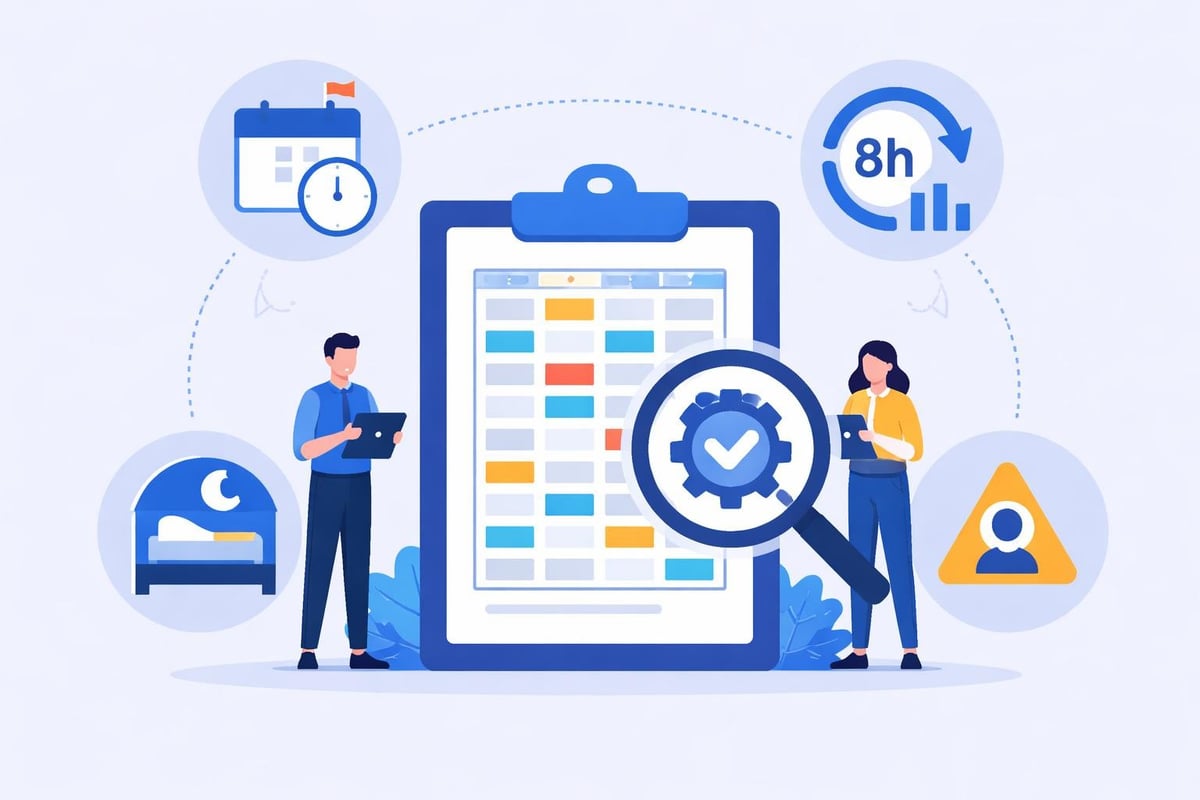
Automated staff scheduling systems embed compliance rules directly into the scheduling engine. The platform prevents violations before they occur rather than relying on managers to remember every regulation.
Critical compliance areas addressed through automation:
Minimum rest periods between shifts
Maximum consecutive working days
Break requirements based on shift length
Overtime threshold monitoring
Minor employee restrictions
Advance schedule posting deadlines
Premium pay triggers for schedule changes
Geographic variations in labor law create additional complexity for multi-location operators. A comprehensive scheduling system adapts to local regulations automatically, protecting businesses from costly violations and potential lawsuits. Healthcare workforce scheduling research demonstrates how multi-objective algorithms can balance regulatory compliance with operational efficiency and staff satisfaction.
Employee Experience and Engagement
Staff satisfaction represents an often-overlooked dimension of scheduling effectiveness. Traditional scheduling approaches frequently ignore employee preferences, creating frustration and contributing to high turnover rates that plague the hospitality industry.
Modern automated staff scheduling platforms empower employees through self-service capabilities. Team members can submit availability, request time off, swap shifts with colleagues, and receive instant schedule notifications through mobile applications.
This transparency builds trust and improves work-life balance. When employees gain more control over their schedules, they demonstrate higher engagement levels and reduced absenteeism. The ability to plan personal commitments around confirmed work schedules decreases stress and improves job satisfaction.
Shift Trading and Coverage Management
Automated systems streamline the shift coverage process when unexpected situations arise. Rather than managers fielding phone calls and coordinating replacements, employees can post available shifts to qualified colleagues through the platform.
The system applies business rules to ensure appropriate coverage while tracking the exchange for payroll accuracy. This shift trading functionality reduces management involvement while maintaining schedule integrity.
Notification systems ensure rapid response to coverage needs. When an employee calls out, the platform automatically alerts available qualified staff based on their preferences and availability, accelerating the replacement process from hours to minutes.
Integration with Business Operations
Standalone scheduling solutions provide limited value compared to integrated platforms connecting multiple operational systems. The most effective automated staff scheduling implementations synchronize with point-of-sale systems, payroll providers, and time-tracking tools.
POS integration enables sophisticated demand forecasting by correlating sales patterns with scheduling decisions. The system learns which staffing levels optimize service quality and profitability for different day parts, events, and seasonal variations.
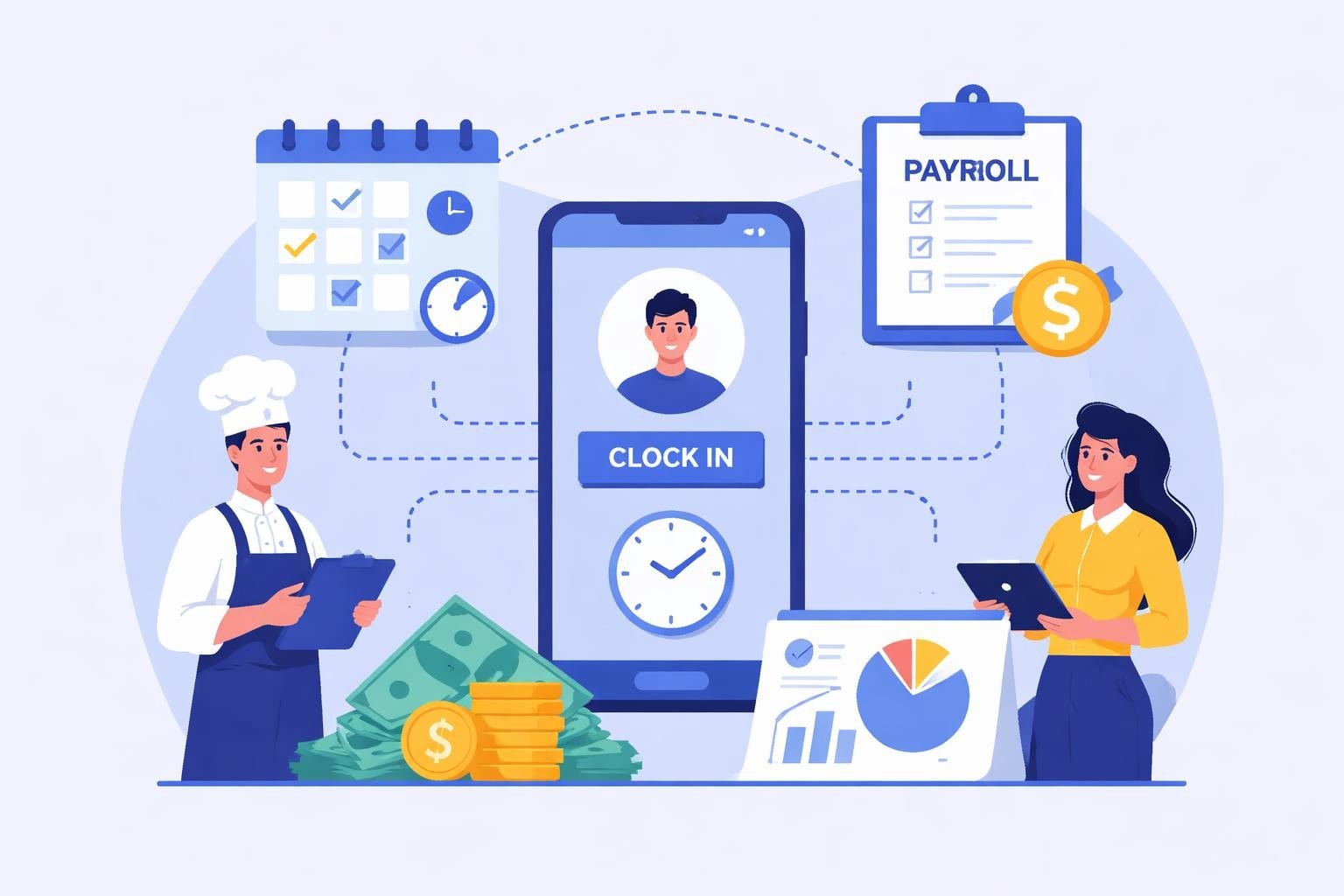
Time clock integration eliminates duplicate data entry and ensures payroll accuracy. When employees clock in and out through the same system managing their schedules, timesheets generate automatically with actual hours worked. This connection reveals schedule adherence patterns and identifies chronic lateness or early departures.
Integration benefits across business systems:
Real-time labor cost tracking against budgets
Automated timesheet approval workflows
Seamless data flow to payroll processing
Performance metrics tied to scheduled shifts
Historical data analysis for continuous improvement
The comprehensive view provided by integrated systems enables strategic workforce decisions based on complete operational data rather than isolated scheduling information. Managers gain insights into productivity patterns, optimal shift configurations, and employee performance correlations.
Implementation Best Practices for Service Businesses
Successful deployment of automated staff scheduling requires thoughtful planning and change management. Technology alone cannot transform workforce management without proper implementation strategy and team adoption.
Begin with comprehensive employee data migration. Accurate profiles containing availability, skills, certifications, and preferences form the foundation for effective automated scheduling. Invest time upfront to ensure data quality rather than troubleshooting issues later.
Change Management Strategies
Communicate the transition clearly to your team, emphasizing benefits for both management and employees. Address concerns about technology replacing personal judgment by framing automation as augmenting decision-making rather than replacing it.
Provide thorough training for managers and staff. While modern platforms prioritize user-friendly interfaces, hands-on practice sessions build confidence and accelerate adoption. Create internal champions who can support colleagues during the learning curve.
Start with a pilot program testing the system with one location or department
Gather feedback actively from both managers and employees during initial weeks
Adjust configurations based on real-world performance and user input
Expand gradually to additional locations after refining the approach
Monitor key metrics tracking time savings, cost reductions, and satisfaction improvements
The transition period typically spans 4-6 weeks before teams become fully comfortable with new workflows. Patience during this phase prevents abandonment and ensures successful long-term adoption.
Advanced Features Transforming Scheduling Capabilities
Leading automated staff scheduling platforms now incorporate artificial intelligence and machine learning to continuously improve performance. These systems learn from historical scheduling outcomes, identifying patterns that optimize both operational efficiency and employee satisfaction.
Predictive analytics extend beyond basic demand forecasting. Advanced platforms analyze external factors including weather patterns, local events, competitor activities, and economic indicators to refine staffing recommendations. This intelligence helps businesses prepare for unexpected volume surges or anticipate slower periods.
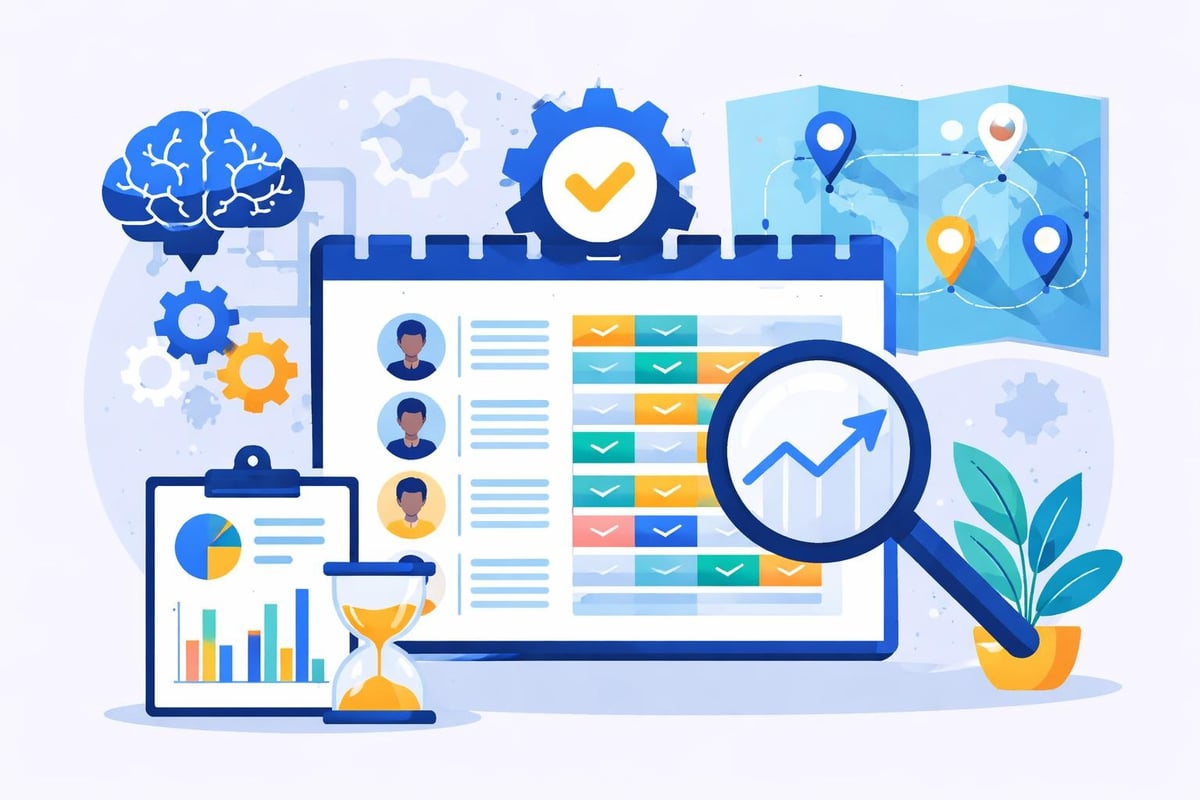
Some systems now offer scenario planning tools allowing managers to model different scheduling approaches before implementation. These "what-if" analyses reveal the financial and operational impacts of various staffing strategies, supporting data-driven decision-making.
Emerging capabilities in scheduling automation:
Skills-based matching ensuring qualified employees fill specialized roles
Burnout prevention algorithms monitoring workload distribution
Team cohesion optimization grouping compatible employees
Transportation logistics considering employee commute patterns
Cross-training recommendations identifying skill development opportunities
The sophistication of employee scheduling techniques continues evolving as platforms incorporate more comprehensive data sources and refined algorithms. Forward-thinking businesses gain competitive advantages through early adoption of these advanced capabilities.
Mobile-First Scheduling for Modern Workforces
Today's service industry employees expect mobile accessibility for all work-related tasks. Automated staff scheduling platforms prioritizing mobile experiences deliver superior adoption rates and engagement compared to desktop-only solutions.
Mobile applications enable real-time schedule access, instant notifications for changes, and convenient shift management from anywhere. Employees can request time off while commuting, pick up available shifts during breaks, or check tomorrow's schedule before bed.
Managers benefit equally from mobile capabilities. Approving shift swaps, adjusting schedules for unexpected call-outs, and monitoring labor costs happens instantly without requiring office access. This flexibility proves invaluable during service periods when managers need to remain customer-facing rather than desk-bound.
Push notifications ensure critical information reaches the right people immediately. Whether alerting about uncovered shifts, schedule changes, or approaching overtime thresholds, mobile alerts enable rapid response to developing situations.
Measuring Success and Continuous Improvement
Implementing automated staff scheduling represents the beginning of an optimization journey rather than a one-time fix. Establishing clear metrics and monitoring performance consistently ensures ongoing value realization and identifies improvement opportunities.
Track quantitative metrics including schedule creation time, labor cost variance, overtime percentage, schedule adherence rates, and shift coverage speed. These measurements provide objective evidence of efficiency gains and cost reductions.
Qualitative feedback matters equally. Regular surveys capturing employee satisfaction with scheduling processes, work-life balance perceptions, and overall platform usability reveal areas needing refinement. Anonymous feedback mechanisms encourage honest input that might not surface through direct conversations.
Success Metric | Baseline Target | Optimized Target | Measurement Frequency |
|---|---|---|---|
Schedule Creation Time | 6 hours weekly | 1 hour weekly | Weekly |
Labor Cost Accuracy | ±8% variance | ±2% variance | Daily |
Schedule Fill Rate | 85% coverage | 98% coverage | Daily |
Employee Satisfaction | 6.2/10 rating | 8.5/10 rating | Monthly |
Turnover Rate | 75% annually | 45% annually | Quarterly |
Benchmarking against industry standards provides context for your performance. Understanding how your metrics compare to similar businesses helps set realistic improvement goals and identify competitive advantages or weaknesses.
Industry-Specific Scheduling Challenges
Different service sectors face unique scheduling complexities requiring specialized approaches. Restaurants need flexibility for fluctuating customer volumes and diverse role requirements from servers to kitchen staff. Cafes balance barista scheduling with varying peak periods throughout the day.
Pubs encounter concentrated weekend demand requiring different staffing models than weekday operations. Catering businesses schedule around specific events with advance planning needs and variable team sizes. Each scenario benefits from automated staff scheduling configured to address sector-specific requirements.
Multi-location operators face additional coordination challenges. Consistency across sites while respecting local differences requires sophisticated platform capabilities. The best systems enable centralized policy management with location-specific customization for scheduling rules, labor budgets, and operational patterns.
Scheduling for restaurants demands particular attention to role-based requirements, varying skill levels, and the complex interplay between front-of-house and back-of-house coordination. Automated systems excel at managing these interdependencies that overwhelm manual approaches.
Seasonal businesses experience dramatic staffing fluctuations requiring rapid scaling capabilities. Automated platforms simplify onboarding temporary staff, managing mixed teams of permanent and seasonal employees, and adjusting schedules as demand patterns shift throughout the year.
Data Security and Privacy Considerations
Automated staff scheduling systems store sensitive employee information including contact details, availability patterns, compensation rates, and performance data. Protecting this information requires robust security measures and compliance with privacy regulations.
Evaluate potential platforms based on their security certifications, encryption standards, and data handling practices. SOC 2 compliance, GDPR readiness, and regular security audits demonstrate commitment to protecting sensitive information.
Essential security features include:
Multi-factor authentication for system access
Role-based permissions limiting data visibility
Encrypted data transmission and storage
Regular automated backups
Audit trails tracking system changes
Secure API connections for integrations
Employee privacy rights vary by jurisdiction but generally require transparency about data collection, usage limitations, and individual access to personal information. Choose platforms supporting these requirements through configurable privacy settings and clear data governance policies.
Cloud-based solutions offer advantages over on-premise systems for most small to mid-sized businesses. Reputable cloud providers maintain sophisticated security infrastructure and disaster recovery capabilities exceeding what individual businesses can implement independently.
Selecting the Right Automated Staff Scheduling Platform
The scheduling software market offers numerous options ranging from basic shift planning tools to comprehensive workforce management suites. Identifying the right solution requires evaluating capabilities against your specific business needs and growth trajectory.
Start by documenting current pain points and desired outcomes. Which scheduling challenges create the most operational friction? What financial improvements would deliver meaningful impact? How important is employee self-service functionality? These answers guide platform evaluation.
Consider scalability for future growth. A solution working well for a single location may struggle supporting multi-site operations. Similarly, basic platforms suitable for straightforward scheduling might lack capabilities needed as your business complexity increases.
Request demonstrations from multiple vendors, using realistic scenarios from your operations. Watch how the system handles common situations like last-minute call-outs, shift trading requests, or schedule adjustments for unexpected busy periods. User interface intuitiveness directly impacts adoption success.
Employee rota software options range from general-purpose tools to industry-specialized solutions. Platforms designed specifically for hospitality and service businesses often provide better out-of-box functionality for sector-specific needs compared to generic workforce management systems.
The Future of Workforce Scheduling Technology
Automated staff scheduling continues evolving with emerging technologies reshaping capabilities. Artificial intelligence advances enable increasingly sophisticated optimization considering hundreds of variables simultaneously. Machine learning algorithms improve continuously by analyzing outcomes and refining recommendations.
Natural language processing may soon allow managers to adjust schedules through conversational interfaces. Instead of clicking through forms, you might simply tell the system "I need two extra servers this Saturday evening" and watch it generate options instantly.
Wearable technology integration could provide real-time fatigue monitoring, alerting managers when employees show signs of burnout or overwork. This data would feed back into scheduling algorithms, promoting sustainable workload distribution.
Blockchain technology may transform credential verification and cross-company scheduling for gig economy workers. Service businesses could access qualified temporary staff with verified certifications through decentralized networks, expanding their flexible workforce options.
The convergence of scheduling with other operational systems will accelerate. Future platforms may automatically adjust staffing based on real-time customer flow detected by occupancy sensors, weather changes affecting foot traffic, or social media trends indicating surging demand for specific menu items.
Automated staff scheduling transforms workforce management from a time-consuming administrative burden into a strategic advantage for service businesses. The combination of cost savings, compliance protection, and improved employee satisfaction delivers measurable value across restaurant, cafe, pub, and catering operations. Heybegin provides smart scheduling and time tracking solutions specifically designed to address these challenges, helping service industry businesses optimize their workforce while reducing labor costs and administrative overhead. Discover how the right scheduling platform can transform your operations and free your management team to focus on delivering exceptional customer experiences.