Scheduling for Restaurants: Best Practices for 2026
Master scheduling for restaurants with proven strategies to reduce labor costs, prevent staffing gaps, and boost efficiency in 2026.
Managing a restaurant operation requires balancing countless moving parts, but few challenges prove as persistent as creating effective staff schedules. Scheduling for restaurants goes far beyond simply filling shifts on a calendar. It directly impacts labor costs, employee satisfaction, customer service quality, and ultimately, profitability. In 2026, restaurant operators face unique pressures: labor shortages, rising minimum wages, and increasingly complex compliance requirements. Smart scheduling strategies combined with modern technology can transform this daily headache into a competitive advantage.
Understanding the True Cost of Poor Scheduling
Poor scheduling practices drain restaurant budgets in ways that extend beyond obvious overtime expenses. When schedules fail to align with actual demand, restaurants either overstaff during slow periods or understaff during rushes, creating inefficiencies that compound throughout each service period.
Overstaffing consequences include:
Unnecessary labor costs that erode profit margins
Reduced employee motivation when staff stand idle
Lower tips per employee during slow shifts
Wasted training investment when employees seek better opportunities
Understaffing creates equally serious problems:
Declining service quality that drives customers away
Employee burnout leading to high turnover rates
Safety issues in kitchen operations
Increased errors in food preparation and order accuracy
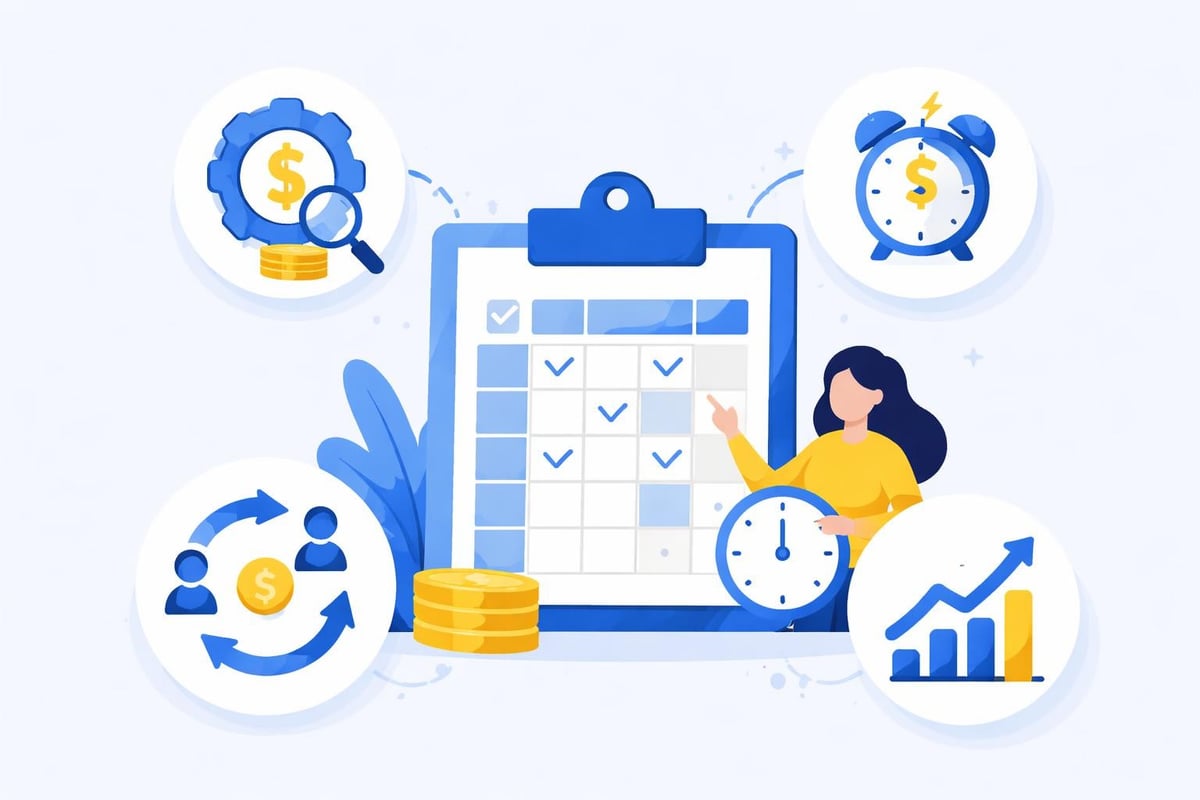
Research shows that labor costs typically represent 25-35% of restaurant revenue, making labor costs for restaurants one of the most significant controllable expenses. A scheduling approach that reduces labor waste by even 5% can generate substantial annual savings while improving both employee and customer experiences.
Building Schedules Around Demand Patterns
Effective scheduling for restaurants starts with understanding your unique demand patterns. Every establishment experiences different traffic flows based on location, concept, day of week, season, and local events. Historical data provides the foundation for predicting future staffing needs with reasonable accuracy.
Analyzing Historical Performance
Begin by examining sales data, customer counts, and labor hours from previous weeks and months. Look for patterns that repeat consistently. Most restaurants discover predictable trends: weekend lunch rushes, weekday dinner peaks, seasonal fluctuations, or monthly paycheck cycles that influence customer spending.
Modern scheduling platforms can analyze this data automatically, identifying patterns that might escape manual review. The comprehensive guide on employee scheduling emphasizes how analyzing previous schedules helps managers make data-driven decisions rather than relying on gut instinct alone.
Time Period | Data to Analyze | Scheduling Application |
|---|---|---|
Hourly | Customer counts, ticket averages | Precise shift start/end times |
Daily | Revenue totals, staff needed | Day-specific staffing levels |
Weekly | Sales patterns, event impacts | Weekly schedule templates |
Seasonal | Tourism, weather, holidays | Long-term staffing plans |
Planning for Predictable Variations
Once you identify baseline patterns, account for known variations. School schedules, sporting events, festivals, and holidays all influence restaurant traffic. Building these considerations into your scheduling process prevents last-minute scrambling.
Create schedule templates for different scenarios rather than starting from scratch each week. Templates accelerate the scheduling process while ensuring consistency. However, remain flexible enough to adjust templates when circumstances change or new patterns emerge.
Implementing Fair and Effective Scheduling Practices
Employee satisfaction directly correlates with scheduling fairness and predictability. Staff members who receive schedules with adequate notice can plan their personal lives, pursue education, and maintain work-life balance. This satisfaction translates into lower turnover and higher performance.
Establishing Scheduling Standards
Develop clear policies about how schedules get created and distributed. Best practices for scheduling staff recommend posting schedules at least two weeks in advance whenever possible. This advance notice shows respect for employees' time while reducing schedule-related conflicts.
Key scheduling policies to establish:
Schedule posting deadlines (minimum 7-14 days advance notice)
Shift length standards (minimum and maximum hours)
Break requirements and meal period rules
Weekend and holiday rotation systems
Time-off request procedures and approval timelines
Shift swap protocols and approval requirements
Balancing Employee Preferences with Business Needs
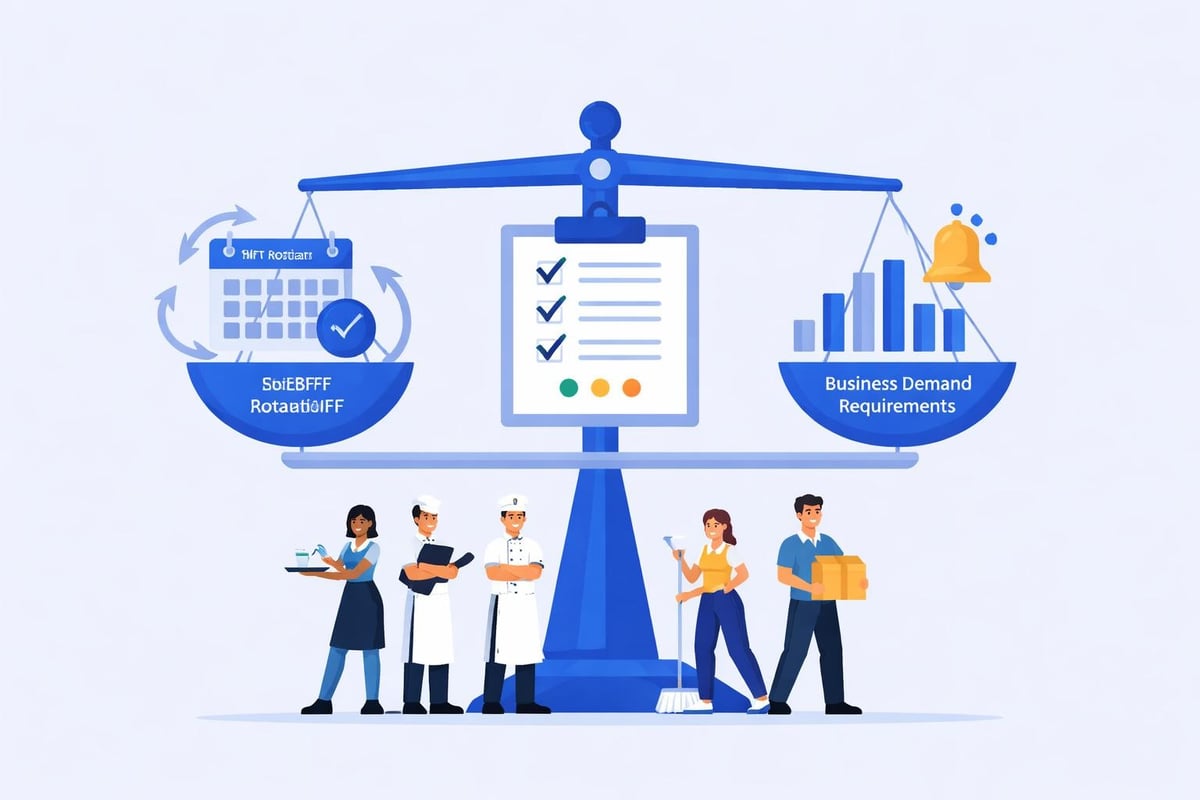
Great managers balance operational requirements with employee preferences. Collect availability information systematically, noting preferred shifts, days off, and scheduling constraints. Modern scheduling software stores this information and flags conflicts automatically when building schedules.
Rotate less desirable shifts fairly among team members. Nobody wants to work every closing shift or every holiday. Transparent rotation systems prevent resentment and demonstrate fairness. When someone consistently works challenging shifts, acknowledge their flexibility and ensure they receive preferred scheduling occasionally.
Leveraging Technology for Smarter Scheduling
Manual scheduling using spreadsheets or paper calendars consumes excessive management time while introducing errors. Technology streamlines this process dramatically. Employee scheduling software features that benefit restaurants include automated schedule generation, mobile accessibility, labor cost tracking, and compliance monitoring.
Essential Features for Restaurant Scheduling Software
When evaluating scheduling platforms, prioritize features that address restaurant-specific challenges. Real-time labor cost tracking shows exactly how schedule changes impact budgets. Mobile apps enable managers to adjust schedules from anywhere while giving employees instant access to their shifts.
Integration capabilities matter significantly. Scheduling software should connect with your point-of-sale system, pulling sales data to inform staffing decisions. Time clock integration ensures scheduled hours align with actual hours worked, simplifying payroll processing.
The shift swapping functionality has become increasingly important in 2026. Employees value the flexibility to trade shifts among themselves, reducing the management burden of constant schedule adjustments while empowering staff to manage their own work-life balance.
Preventing and Managing Staffing Gaps
Even the best schedules face disruptions. Employees call in sick, emergencies arise, and unexpected rushes require additional coverage. Proactive planning minimizes these disruptions and ensures you have strategies ready when gaps occur.
Building Scheduling Flexibility
Maintain an on-call list of employees willing to pick up additional shifts on short notice. Compensate this availability appropriately, whether through guaranteed minimum hours, premium pay rates, or priority scheduling for preferred shifts.
Cross-training employees across positions creates internal flexibility. When servers can host and bussers can run food, you gain options for covering unexpected absences. The restaurant scheduling best practices guide highlights how cross-training reduces vulnerability to staffing gaps while developing employee skills.
Strategies for gap management:
Maintain contact lists with multiple communication channels
Establish clear protocols for calling in replacements
Create incentives for employees who cover unexpected shifts
Schedule slightly above minimum requirements during critical periods
Build relationships with reliable temporary staffing agencies
Emergency Backup Plans
Develop contingency plans for various scenarios: key employee absence, equipment failure, unexpected private events, or weather emergencies. Document these plans so any manager can execute them effectively. Include contact information, step-by-step procedures, and decision-making criteria.
Navigating Compliance and Legal Requirements
Scheduling for restaurants involves navigating complex labor regulations that vary by jurisdiction. Violations carry significant financial penalties and legal risks. Staying compliant protects your business while ensuring fair treatment of employees.
Understanding Applicable Labor Laws
Federal regulations establish baseline requirements, but state and local laws often impose additional obligations. These may include predictive scheduling ordinances, mandatory rest periods, overtime rules, and minor work restrictions. As highlighted in creating the perfect shift schedule, awareness of labor laws prevents costly compliance mistakes.
Common compliance areas requiring attention:
Compliance Area | Typical Requirements | Scheduling Implications |
|---|---|---|
Overtime | Time-and-a-half after 40 hours/week | Monitor weekly hour totals |
Meal Breaks | 30-minute unpaid break per shift | Schedule explicit break times |
Rest Periods | 10-minute paid breaks | Factor breaks into coverage |
Predictive Scheduling | 7-14 days advance notice | Post schedules earlier |
Minor Workers | Limited hours and times | Separate scheduling rules |
Automating Compliance Monitoring
Manual compliance tracking proves error-prone and time-consuming. Scheduling software with built-in compliance alerts flags potential violations before schedules get published. These systems track cumulative hours, mandatory breaks, consecutive days worked, and other regulated factors.
Documentation becomes crucial if compliance questions arise. Digital scheduling systems maintain comprehensive records of posted schedules, changes, time-off requests, and communications, providing verifiable evidence of your scheduling practices.
Optimizing Labor Costs Through Strategic Scheduling
Strategic scheduling for restaurants directly influences profitability. By aligning labor resources precisely with demand, restaurants minimize waste while maintaining service quality. This optimization requires ongoing attention and adjustment based on performance data.
Calculating Optimal Staffing Levels
Start with your target labor cost percentage, typically 25-35% depending on restaurant concept and location. Work backward from projected sales to determine available labor hours, then distribute those hours based on demand patterns.
The expert tips for labor scheduling recommend tracking metrics beyond total labor costs. Monitor productivity metrics like revenue per labor hour, covers per employee, and table turn times to identify optimization opportunities.
Key performance indicators for scheduling:
Labor cost percentage (actual vs. target)
Revenue per labor hour by position and shift
Overtime hours as percentage of total hours
Schedule adherence (scheduled vs. actual hours)
Employee utilization rates during scheduled shifts
Implementing Schedule Adjustments
Review scheduling performance weekly, comparing planned labor costs against actual results. Identify variances and determine their causes. Did unexpected weather reduce traffic? Did a special event drive higher-than-anticipated sales? Use these insights to refine future schedules.
Make incremental adjustments rather than dramatic changes. Small refinements compound over time, steadily improving efficiency without disrupting operations or employee expectations. Test changes during less critical periods before implementing them broadly.
Creating Communication Systems Around Scheduling
Effective communication prevents scheduling conflicts and ensures everyone stays informed. Establish multiple communication channels that accommodate different preferences and situations while maintaining clear records of schedule-related interactions.
Centralizing Schedule Access
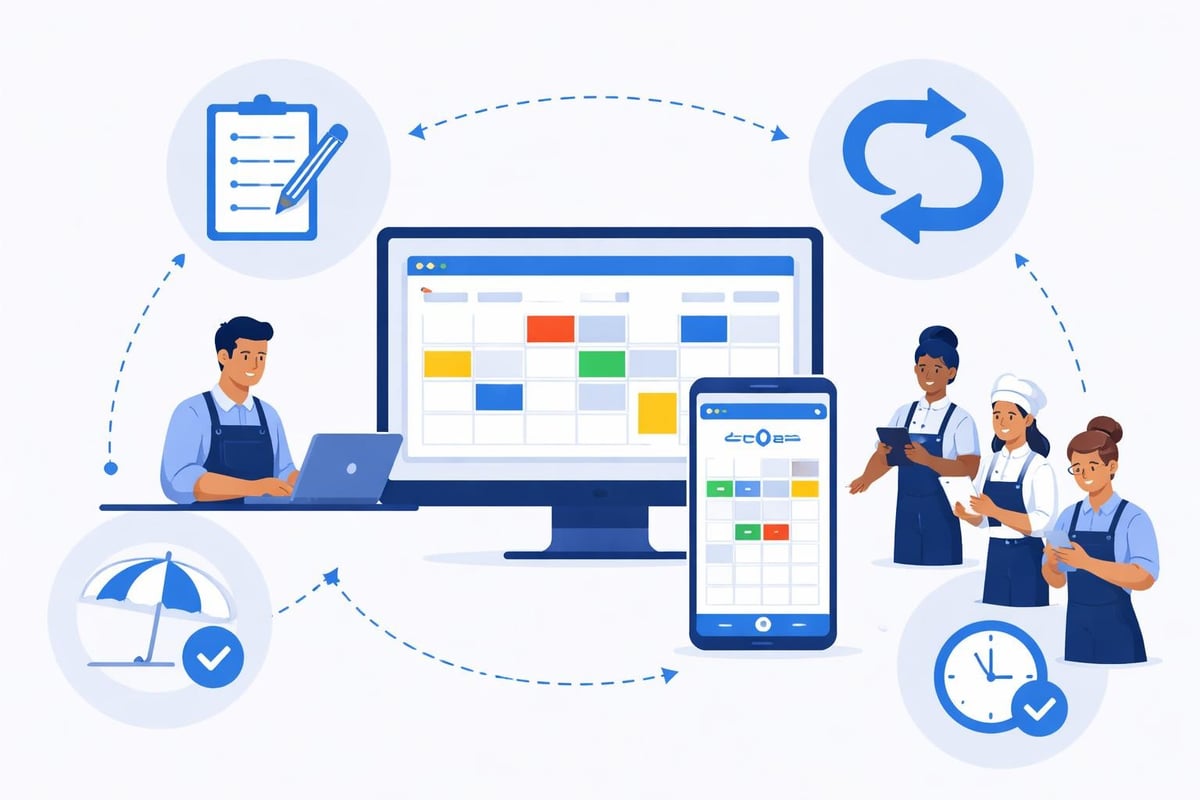
Eliminate confusion by maintaining one authoritative schedule that everyone accesses. When schedules exist in multiple formats or locations, discrepancies inevitably occur. Cloud-based scheduling platforms serve as the single source of truth, updating instantly when changes occur.
Mobile apps enable employees to check schedules, request time off, offer shifts, and receive notifications from their smartphones. This accessibility reduces the management burden of answering "When do I work next?" questions while empowering employees to take ownership of their schedules.
The staff scheduling tips guide emphasizes that creating open channels of communication improves scheduling effectiveness significantly, reducing misunderstandings and building trust between management and staff.
Managing Schedule Changes Transparently
When schedule modifications become necessary, communicate them promptly and clearly. Explain the reason for changes when appropriate, demonstrating that adjustments result from legitimate business needs rather than arbitrary decisions. This transparency maintains trust and encourages flexibility when you truly need it.
Document all schedule change requests and approvals. This record protects both management and employees if disputes arise later. Digital systems automatically maintain these records, creating audit trails without additional administrative work.
Building Long-Term Scheduling Success
Sustainable scheduling for restaurants requires continuous improvement rather than one-time optimization. Regularly solicit employee feedback about scheduling processes, identifying pain points and improvement opportunities. Staff members often offer valuable insights about operational realities that managers might miss.
Developing Scheduling Expertise
Invest in training for managers responsible for creating schedules. Understanding labor laws, analyzing demand patterns, using scheduling software effectively, and balancing competing priorities requires specific skills that improve with education and practice.
Track your scheduling performance over time, celebrating improvements and identifying persistent challenges. Share successes across your management team, spreading effective practices throughout your organization. As discussed in retaining employees through better scheduling, developing consistent scheduling standards and improving forecast accuracy directly contributes to employee retention.
Scaling Scheduling Practices
As your restaurant grows or you operate multiple locations, standardize scheduling practices while allowing appropriate local flexibility. Corporate-level insights about scheduling best practices can improve individual locations, while location-specific data informs company-wide strategies.
Multi-unit operations benefit particularly from centralized scheduling platforms that provide visibility across all locations. These systems facilitate staff sharing between nearby restaurants, provide consolidated reporting, and ensure consistent application of scheduling policies.
Preparing for Future Scheduling Challenges
The restaurant industry continues evolving rapidly. Labor market dynamics, regulatory changes, technology advances, and shifting employee expectations require scheduling approaches that adapt accordingly. Building flexibility into your scheduling processes positions your restaurant to navigate future challenges successfully.
Emerging scheduling considerations:
Gig economy influences on employee availability expectations
Artificial intelligence for demand forecasting and optimization
Integrated scheduling across delivery, dine-in, and catering operations
Enhanced data analytics for predictive scheduling
Generational differences in scheduling preferences and communication
The strategies outlined in how to make a restaurant employee schedule remain fundamentally sound, but implementing them requires modern tools and approaches that address current realities.
Stay informed about industry trends and regulatory changes affecting scheduling. Professional associations, industry publications, and technology vendors provide valuable resources for maintaining current knowledge. Consider exploring open source employee scheduling options alongside proprietary solutions to find the best fit for your specific needs.
Mastering scheduling for restaurants transforms a persistent operational challenge into a strategic advantage that reduces costs, improves employee satisfaction, and enhances customer service. The combination of smart scheduling practices, modern technology, and continuous refinement creates sustainable results that compound over time. Heybegin provides the smart scheduling and time tracking solutions designed specifically for restaurants and service businesses, simplifying your scheduling process while automatically tracking hours and reducing labor costs. Experience how the right scheduling platform can transform your restaurant operations today.