Management of Employees: A Service Industry Guide
Discover effective management of employees strategies for restaurants and service industries. Boost productivity, reduce costs, and improve team performance.
The management of employees in the service industry presents unique challenges that differ significantly from traditional office environments. Restaurant managers, café owners, and hospitality professionals must coordinate dynamic schedules, handle high turnover rates, and maintain service quality while controlling labor costs. The complexity of shift-based work, fluctuating customer demand, and diverse workforce needs requires a strategic approach that combines technology, clear communication, and strong leadership practices. Understanding effective employee management principles can transform operational efficiency and create a workplace culture that retains talent and delivers exceptional customer experiences.
Understanding Core Principles of Employee Management
Effective management of employees begins with establishing clear frameworks that align team performance with business objectives. In the restaurant and service industry, this means creating systems that balance operational needs with employee wellbeing.
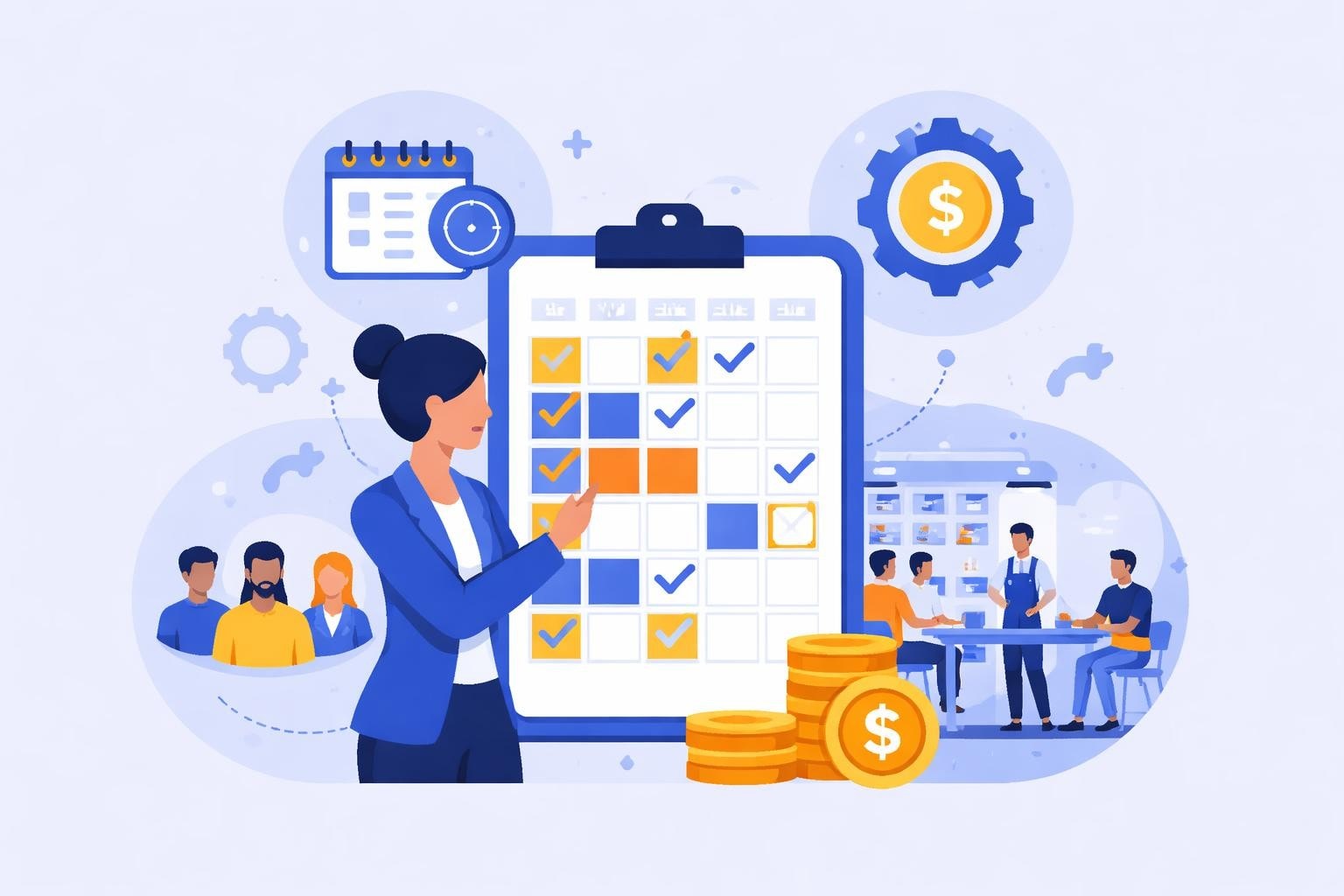
Strategic workforce planning forms the foundation of successful employee management. This involves forecasting staffing requirements based on historical data, seasonal trends, and projected business growth. Strategic human resource planning helps organizations identify current and future workforce needs, ensuring adequate coverage during peak periods while avoiding overstaffing during slower times.
Building Management Systems That Work
The management of employees requires structured policies that provide consistency and clarity across all operational areas. These policies should address:
Scheduling procedures and shift assignment protocols
Time-off request processes and approval workflows
Performance expectations and evaluation criteria
Communication channels and feedback mechanisms
Conflict resolution and disciplinary procedures
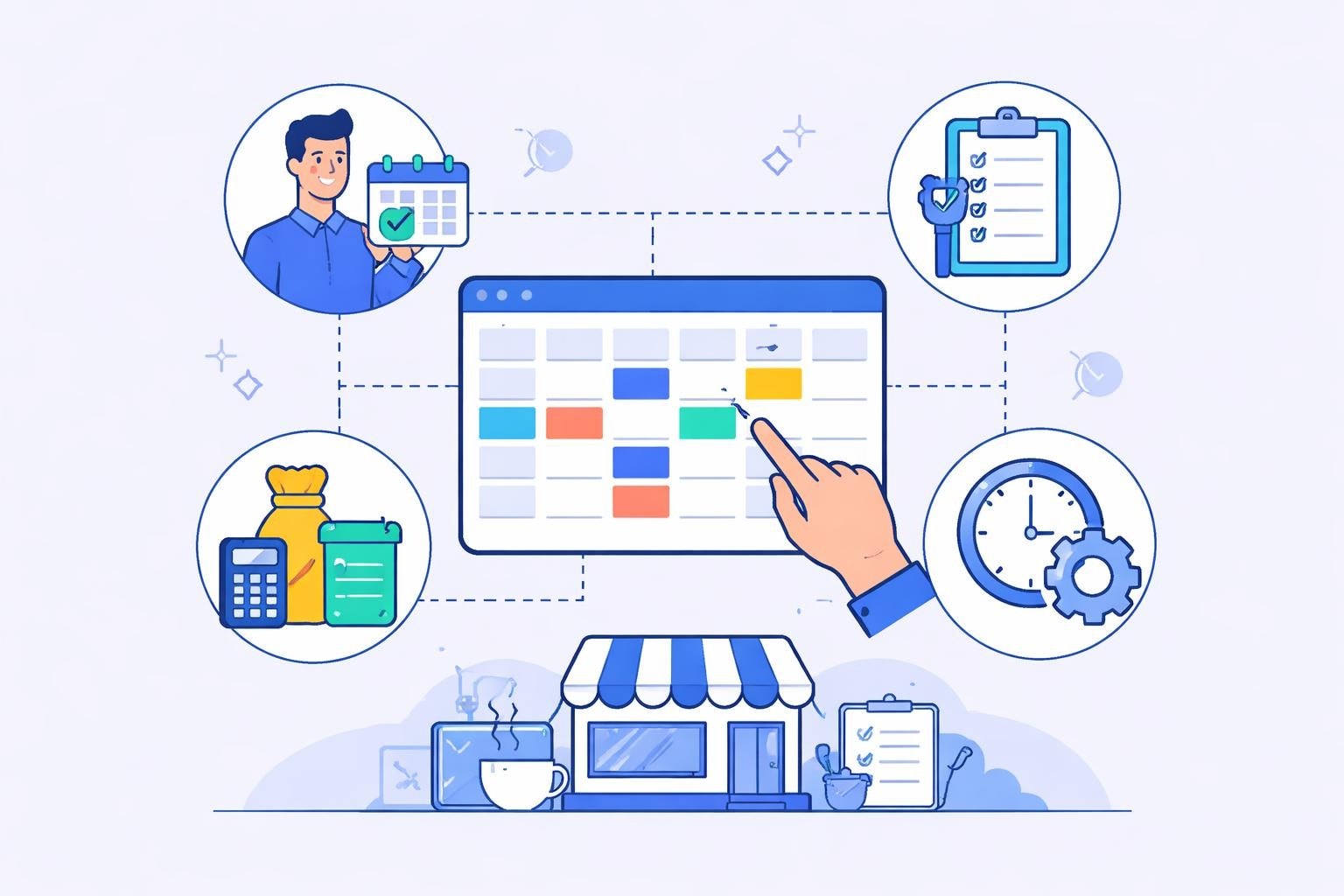
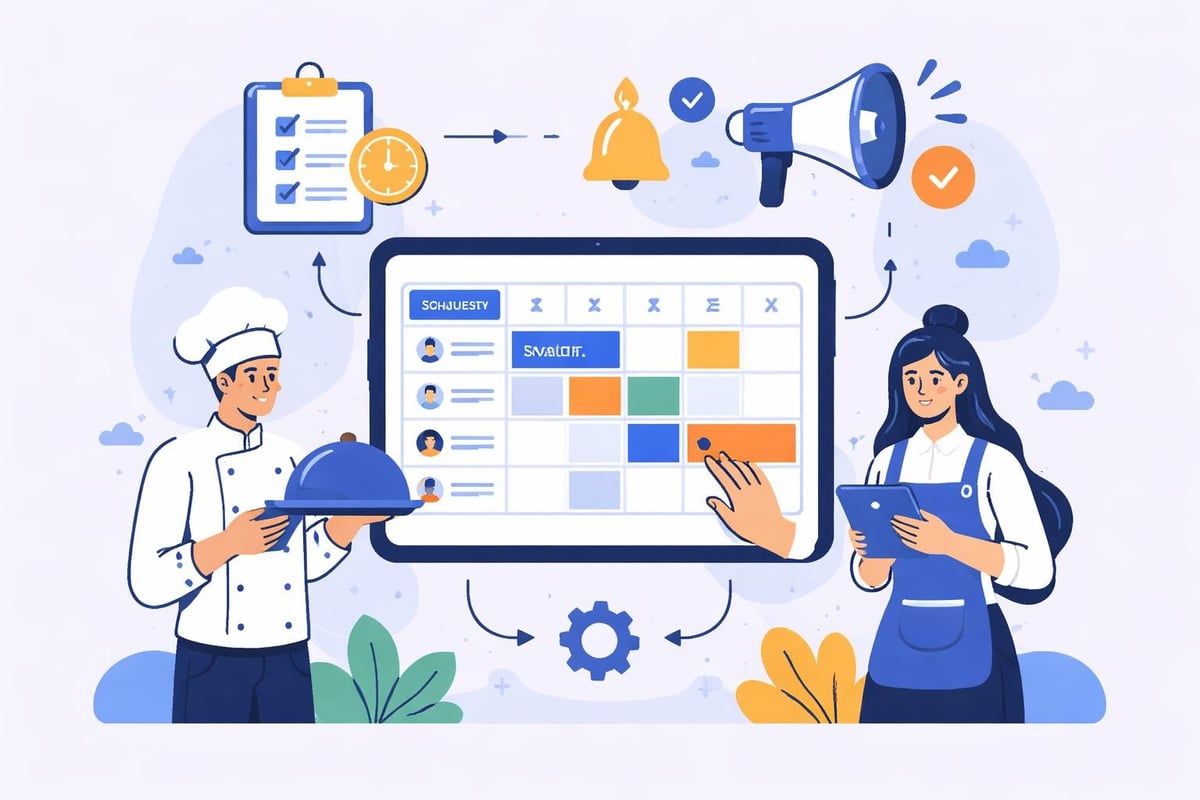
Modern scheduling software has revolutionized how service industry businesses approach workforce coordination. Platforms designed specifically for scheduling for restaurants streamline the process of creating rotas, managing availability, and handling last-minute changes.
Adopting Effective Management Styles for Service Teams
Different situations call for different approaches to the management of employees. Understanding various management styles helps leaders adapt their methods to specific challenges and team dynamics.
Management styles range from highly directive to collaborative approaches. In fast-paced service environments, managers often need to blend multiple styles depending on the situation. During busy service periods, more directive leadership ensures quick decisions and coordinated action. During planning sessions or team meetings, a participative approach encourages input and builds engagement.
Authoritative vs. Collaborative Leadership
The authoritative management style provides clear direction and establishes explicit expectations, which can increase efficiency in structured environments. This approach works particularly well when training new employees or implementing new procedures that require consistent execution.
However, balancing authority with collaboration creates stronger teams. High-commitment management emphasizes employee empowerment and decentralized decision-making, which can enhance organizational performance by giving team members ownership over their work.
Management Style | Best Application | Key Benefits | Potential Drawbacks |
|---|---|---|---|
Authoritative | Crisis situations, new employee training | Clear direction, quick decisions | May limit creativity, reduce engagement |
Democratic | Team planning, policy development | Higher engagement, diverse perspectives | Slower decision-making process |
Coaching | Skill development, performance improvement | Employee growth, long-term capability | Time-intensive, requires patience |
Delegative | Experienced teams, routine operations | Autonomy, efficiency | Requires skilled staff, less control |
Implementing Best Practices for Daily Operations
The practical management of employees in service settings demands attention to daily operational details that directly impact both team performance and customer satisfaction.
Communication and Feedback Systems
Regular communication stands as one of the most critical employee management best practices. Employees need to understand their roles, receive timely feedback, and have channels to voice concerns or suggestions.
Pre-shift meetings provide opportunities to align the team on daily objectives, communicate special events or menu changes, and address immediate concerns. These brief gatherings set the tone for service and ensure everyone operates with the same information.
One-on-one check-ins allow managers to address individual performance, discuss career development, and identify potential issues before they escalate. Scheduling these conversations regularly demonstrates investment in employee growth and creates space for honest dialogue.
Digital communication tools complement face-to-face interactions by providing written records of schedules, policy updates, and important announcements. Modern employee rota software includes built-in messaging features that keep teams connected even when they're not physically together.
Performance Management and Development
Effective management of employees requires structured approaches to evaluating and improving performance. Clear metrics help both managers and employees understand expectations and track progress toward goals.
Service industry performance metrics should include:
Attendance and punctuality - Tracking reliability and commitment
Service quality scores - Customer feedback and satisfaction ratings
Productivity measures - Tables served, orders processed, or tasks completed
Team collaboration - Ability to work effectively with colleagues
Skill development - Progress in learning new responsibilities or techniques
Leveraging Technology for Workforce Optimization
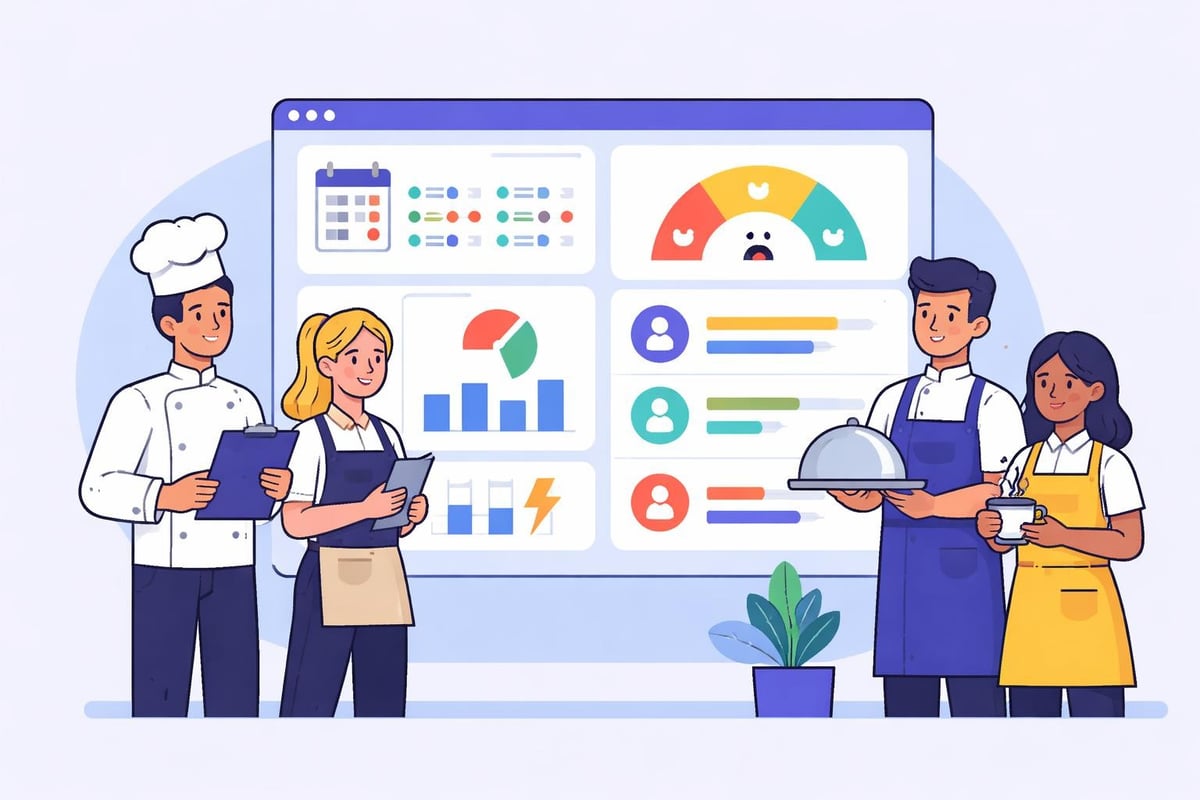
Modern technology has transformed the management of employees by automating administrative tasks and providing data-driven insights that improve decision-making.
Smart Scheduling and Time Tracking
Automated scheduling systems reduce the time managers spend creating rotas while ensuring fair distribution of shifts and compliance with labor regulations. These platforms consider employee availability, skill requirements, and labor budget constraints to generate optimized schedules.
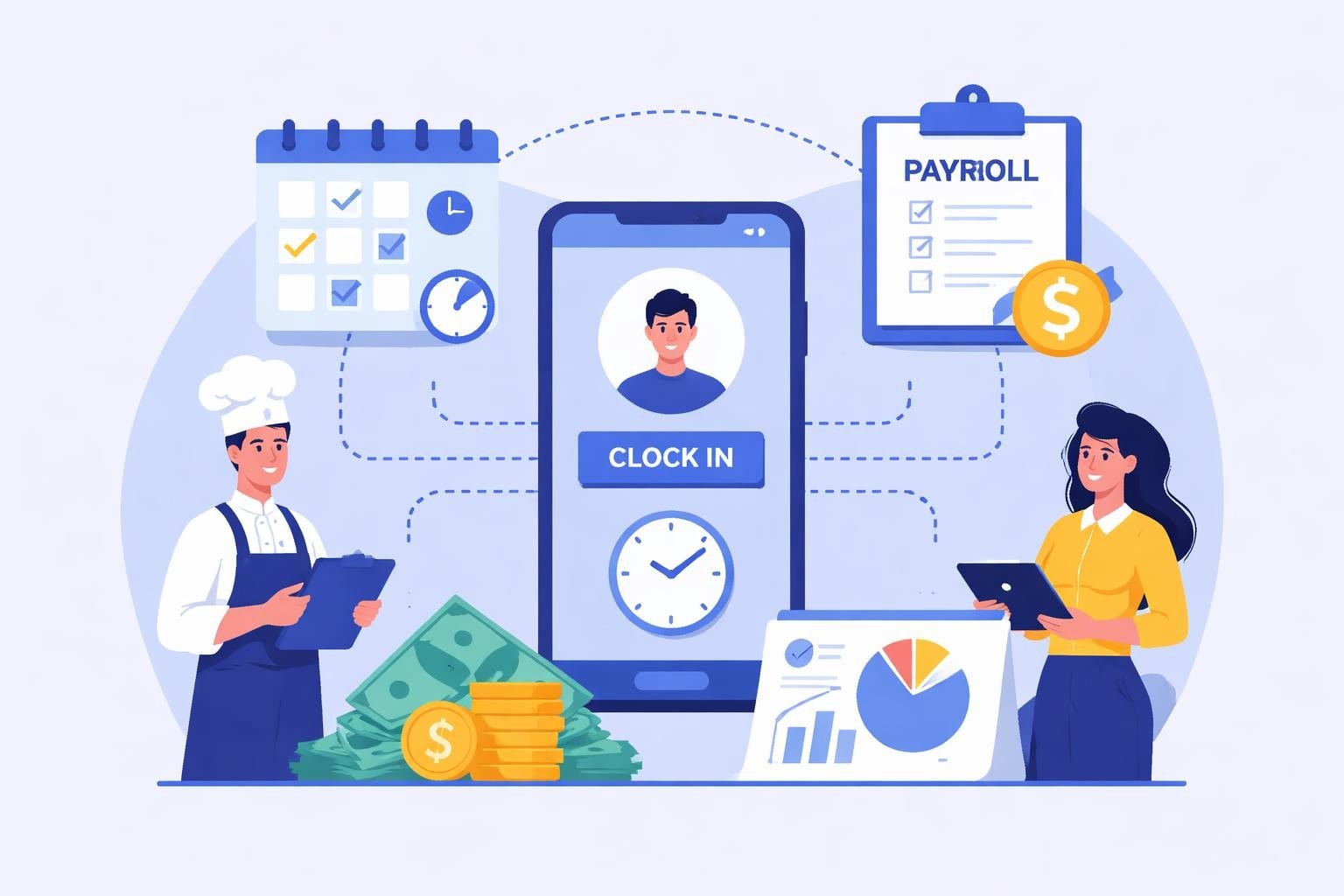
Real-time time tracking eliminates timesheet errors and provides accurate data for payroll processing. When integrated with scheduling systems, time tracking helps identify patterns such as frequent tardiness, unauthorized overtime, or scheduling inefficiencies.
Understanding labor costs for restaurants becomes easier with integrated systems that connect scheduling, time tracking, and sales data. This visibility enables managers to adjust staffing levels dynamically and maintain target labor cost percentages.
Data-Driven Personnel Management
Advancements in HR technology have introduced AI and data analytics into personnel management processes. These tools identify trends, predict staffing needs, and highlight opportunities for improvement.
Predictive analytics can forecast busy periods based on historical patterns, weather data, and local events. This information supports proactive management of employees by ensuring adequate staffing during peak times and preventing costly overstaffing during slow periods.
Creating Positive Workplace Culture
The management of employees extends beyond schedules and policies to encompass the broader workplace environment that influences engagement, retention, and performance.
Recognition and Motivation Strategies
Service industry workers often face demanding physical work, irregular schedules, and challenging customer interactions. Recognition programs acknowledge these efforts and reinforce desired behaviors.
Immediate recognition for exceptional service or problem-solving creates positive reinforcement and encourages similar actions from other team members. This can be as simple as public acknowledgment during pre-shift meetings or notes on internal communication platforms.
Formal recognition programs provide structure for celebrating achievements through employee-of-the-month awards, performance bonuses, or special privileges like preferred shift selection.
Beyond recognition, intrinsic motivation grows when employees understand how their work contributes to larger organizational goals. Sharing business performance metrics and celebrating collective achievements builds team cohesion and shared purpose.
Work-Life Balance and Flexibility
Managing leave requests and accommodating personal needs presents ongoing challenges in shift-based businesses. However, supporting work-life balance reduces burnout and improves retention.
Platforms like Verlof.io help businesses manage leave requests efficiently, reducing administrative burden while ensuring fair and transparent processes. Clear vacation and time-off policies, combined with user-friendly request systems, demonstrate respect for employees' personal lives.
Flexible scheduling options when possible allow employees to balance work with family obligations, education, or other commitments. While service industry scheduling has inherent constraints, offering some flexibility where feasible improves satisfaction and loyalty.
Work-Life Balance Initiative | Implementation Strategy | Expected Impact |
|---|---|---|
Advance schedule posting | Publish rotas 2-3 weeks ahead | Improved planning, reduced conflicts |
Shift swap systems | Digital platforms for peer-to-peer exchanges | Greater autonomy, better coverage |
Consistent scheduling | Regular shifts for part-time staff | Predictable income, easier planning |
Time-off transparency | Clear request processes and approval timelines | Reduced stress, fairer distribution |

Addressing Common Management Challenges
The management of employees in restaurants and service businesses involves navigating predictable challenges that require proactive strategies and consistent application.
High Turnover and Retention Issues
The service industry experiences higher turnover rates than many other sectors. Addressing retention requires understanding why employees leave and implementing targeted solutions.
Exit interviews provide valuable insights into factors driving departures. Common themes often include scheduling conflicts, limited growth opportunities, inadequate compensation, or poor management relationships.
Retention strategies should address these root causes:
Career development paths that show progression opportunities
Competitive compensation aligned with market rates and performance
Quality management through training and accountability
Scheduling practices that respect employee needs and preferences
Managing Diverse, Multi-Generational Teams
Modern service industry workforces span multiple generations, each with different expectations and communication preferences. Effective management of employees acknowledges these differences while maintaining consistent standards.
Younger employees often value flexibility, technology integration, and opportunities for rapid skill development. They typically prefer digital communication and appreciate regular feedback.
Experienced workers bring valuable knowledge and stability but may resist technological changes or new procedures. Recognizing their expertise while supporting adaptation to new systems balances respect with progress.
Tailoring communication approaches, training methods, and recognition strategies to different team segments improves engagement across the entire workforce.
Ensuring Compliance and Risk Management
Proper management of employees includes maintaining compliance with labor laws, safety regulations, and industry-specific requirements that protect both businesses and workers.
Labor Law Compliance
Employment regulations govern scheduling practices, break requirements, overtime calculations, and record-keeping obligations. Violations can result in significant penalties and legal liabilities.
Automated systems reduce compliance risks by tracking hours worked, enforcing break periods, and flagging potential overtime situations before they occur. Digital time tracking creates auditable records that document compliance efforts.
Regular training ensures managers understand their legal obligations regarding fair scheduling practices, anti-discrimination policies, and proper documentation procedures.
Health and Safety Management
Service industry managers must prioritize workplace safety through proper training, equipment maintenance, and hazard prevention. This responsibility extends to mental health and workplace stress management as well.
Safety protocols should be documented, regularly reviewed, and consistently enforced. New employee orientation must include comprehensive safety training relevant to their specific roles.
Incident reporting systems enable quick response to workplace injuries or safety concerns while creating records that identify patterns requiring additional attention.
Measuring Management Effectiveness
Successful management of employees requires ongoing evaluation of both individual manager performance and overall workforce management systems.
Key Performance Indicators
Tracking specific metrics provides objective evidence of management effectiveness and highlights areas needing improvement:
Employee retention rates - Percentage of staff remaining over specific periods
Schedule adherence - Actual versus planned staffing levels
Labor cost percentage - Workforce expenses relative to revenue
Employee satisfaction scores - Regular survey results measuring engagement
Productivity metrics - Output per labor hour across departments
Time-to-fill positions - Speed of recruiting and onboarding processes
Continuous Improvement Processes
The best practices in employee management emphasize alignment between human capital strategies and organizational goals through continuous assessment and refinement.
Regular management reviews examine workforce data, identify trends, and adjust strategies based on performance results. These reviews should occur quarterly at minimum, with more frequent check-ins for critical metrics.
Employee feedback mechanisms provide bottom-up insights into management effectiveness. Anonymous surveys, suggestion systems, and open-door policies encourage honest communication about workplace issues.
Benchmarking against industry standards helps contextualize performance and identify competitive advantages or areas requiring attention. Comparing metrics like turnover rates, labor costs, and productivity against similar businesses provides valuable perspective.
Building Leadership Capacity
Investing in management development strengthens the overall capability for effective management of employees throughout the organization.
Manager Training and Development
Front-line managers directly influence employee experience yet often receive insufficient training for their responsibilities. Structured development programs build essential skills:
Conflict resolution techniques for addressing interpersonal issues
Performance coaching methods that develop rather than simply evaluate
Communication skills for clear, respectful interactions
Scheduling optimization leveraging available tools and data
Legal compliance awareness understanding regulatory obligations
Mentorship programs pair experienced managers with newer leaders, facilitating knowledge transfer and providing support during challenging situations.
Succession Planning
Preparing employees for management roles ensures continuity and creates advancement opportunities that improve retention. Identifying high-potential team members and providing developmental experiences builds a pipeline of capable leaders.
Cross-training exposes employees to different aspects of operations while developing versatility. Team members who understand multiple roles make more effective managers when promoted.
Gradual responsibility increases allow aspiring managers to build confidence through shift leadership, training responsibilities, or project coordination before assuming full management duties.
Effective management of employees in the service industry requires combining strategic planning, appropriate technology, strong communication practices, and genuine investment in team member development. By implementing structured systems for scheduling, performance management, and workplace culture while maintaining flexibility to address individual needs, restaurants and hospitality businesses can build engaged, productive teams that deliver exceptional customer experiences. Heybegin provides the smart scheduling and time tracking solutions that simplify these management challenges, offering restaurant and service industry managers the tools they need to optimize workforce coordination, reduce labor costs, and focus on building strong teams that drive business success.