Mobile Workforce App: Transform Your Restaurant Operations
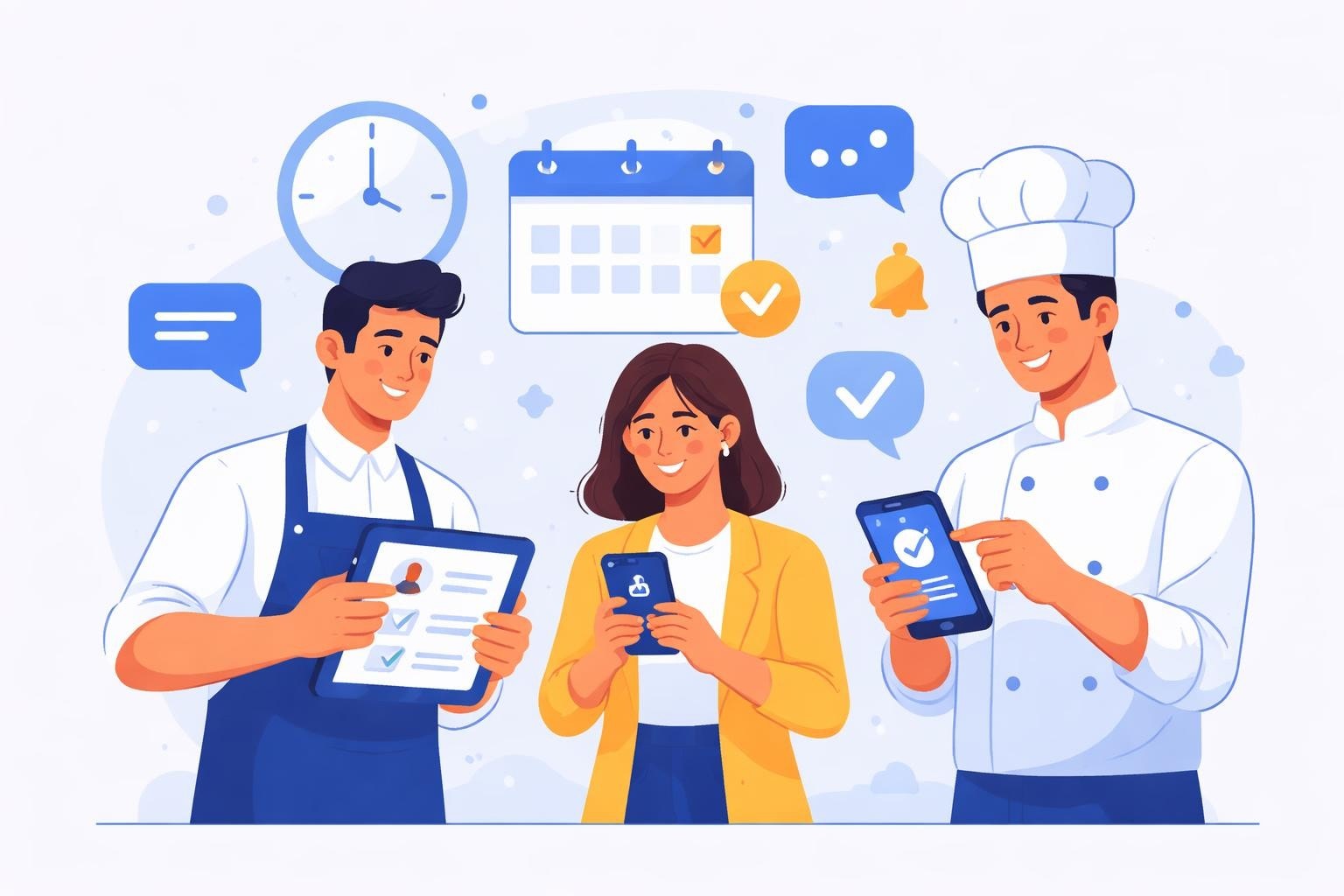
Discover how a mobile workforce app revolutionizes restaurant scheduling, time tracking, and labor management for improved efficiency in 2026.
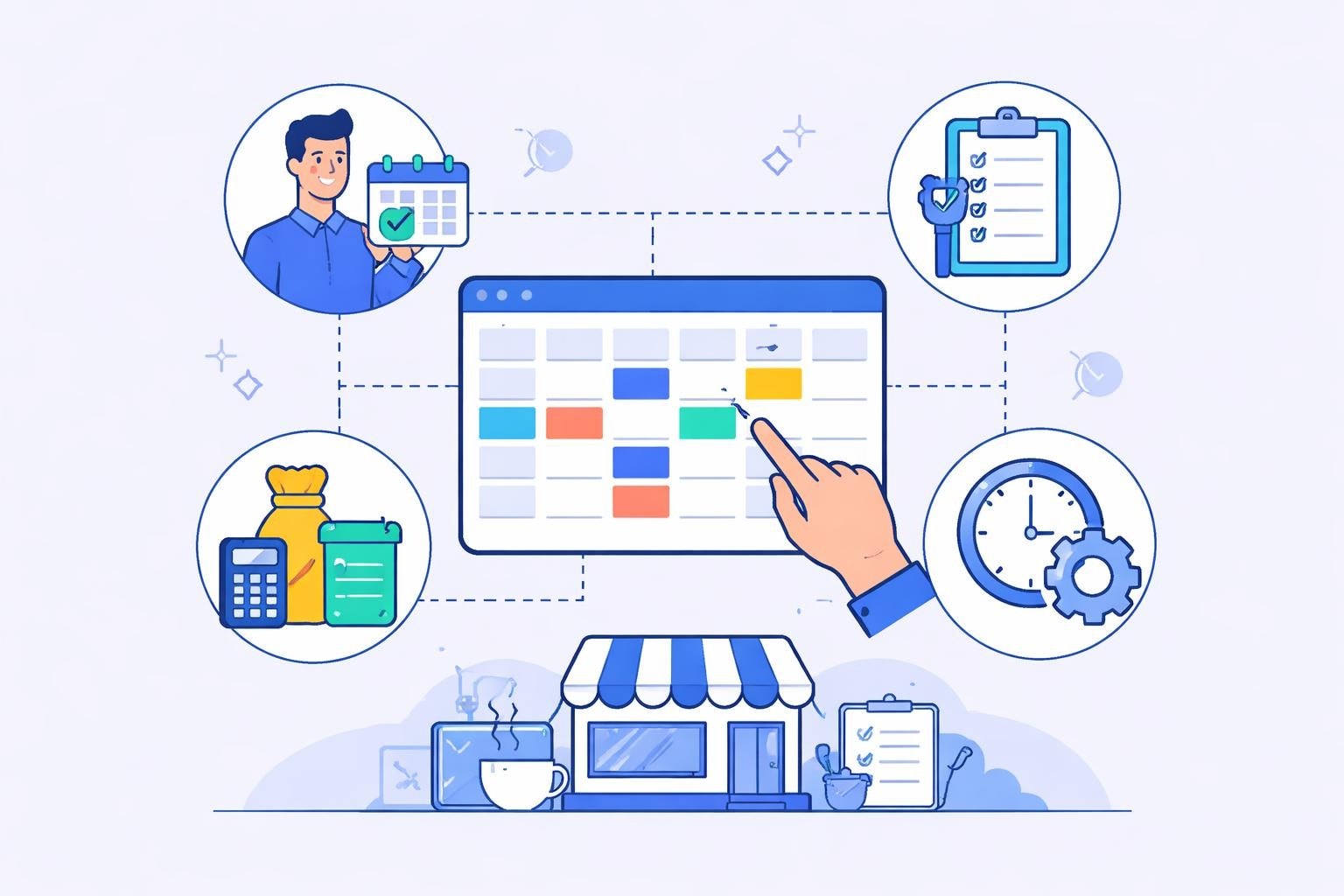
The modern service industry operates at a pace that demands instant communication, real-time updates, and seamless coordination between management and staff. For restaurants, cafes, pubs, and similar businesses, managing schedules, tracking time, and coordinating shifts has evolved from paper-based systems to sophisticated digital solutions. A mobile workforce app has become an essential tool for businesses looking to streamline operations, reduce administrative burden, and empower employees with greater flexibility and transparency in their work schedules.
The Evolution of Workforce Management in Service Industries
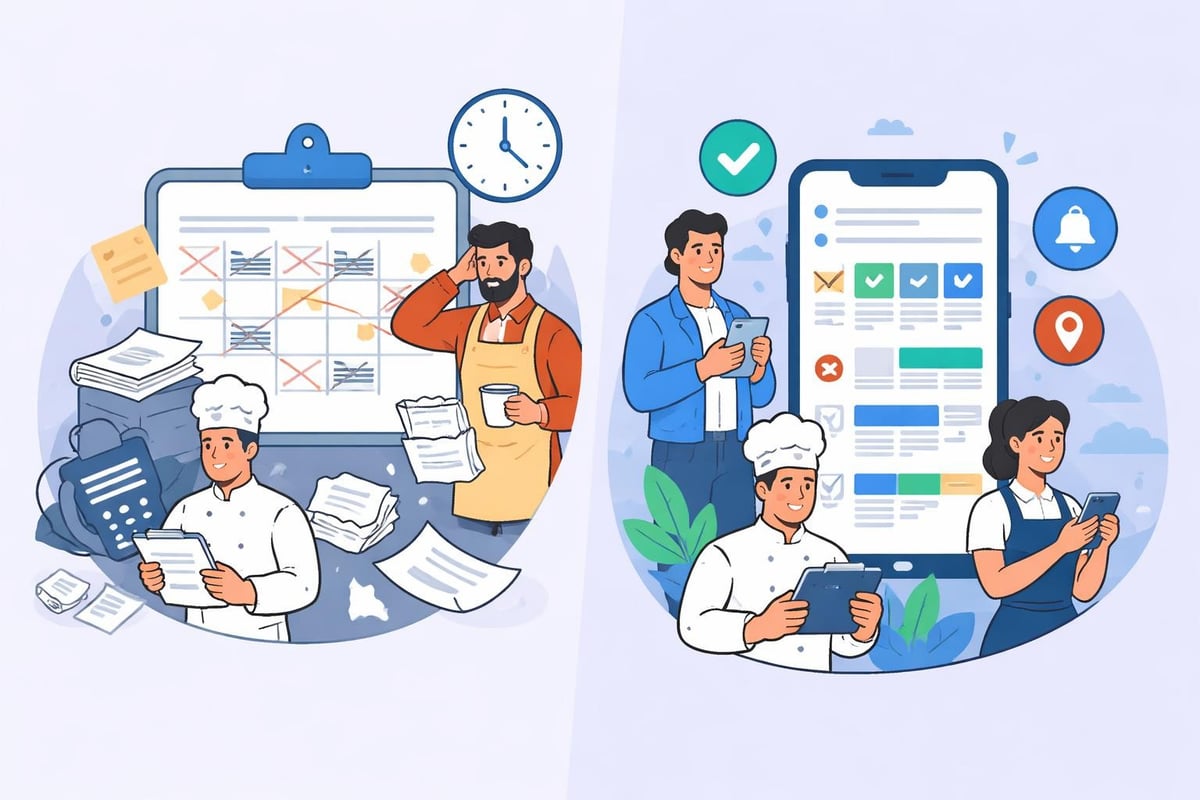
Traditional scheduling methods created significant challenges for restaurant managers. Paper schedules posted on back-office walls required employees to visit the workplace to check their shifts, leading to confusion, miscommunication, and frequent last-minute emergencies. Phone calls to cover shifts consumed valuable management time, while manual timesheet calculations resulted in errors and payroll discrepancies.
The hospitality sector has witnessed widespread adoption of mobile worker apps that address these pain points directly. Modern solutions provide instant access to schedules, enable swift shift swaps, and automate time tracking through smartphones that employees already carry.
Key Advantages for Restaurant Operations
Service industry businesses benefit from mobile workforce solutions in several distinct ways:
Instant schedule access from anywhere, eliminating trips to the workplace
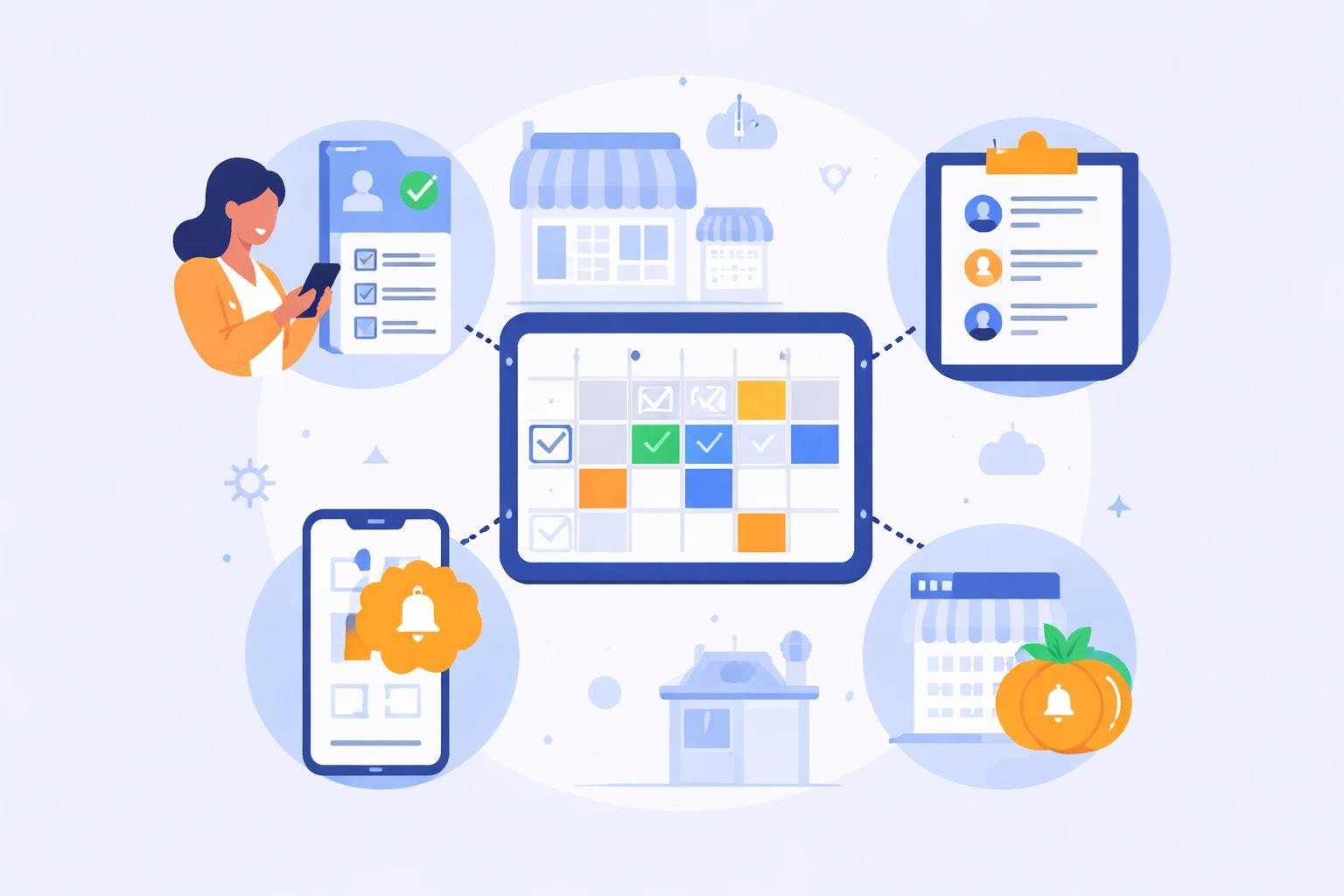
Real-time notifications for schedule changes, shift opportunities, and important updates
Simplified time tracking with mobile clock-in/clock-out functionality
Reduced labor costs through better visibility into overtime and scheduling optimization
Improved employee satisfaction with greater control over work-life balance
The transition from traditional methods to mobile-first workforce management represents more than technological advancement. It fundamentally changes how managers and employees interact with scheduling systems.
Core Features That Drive Operational Efficiency
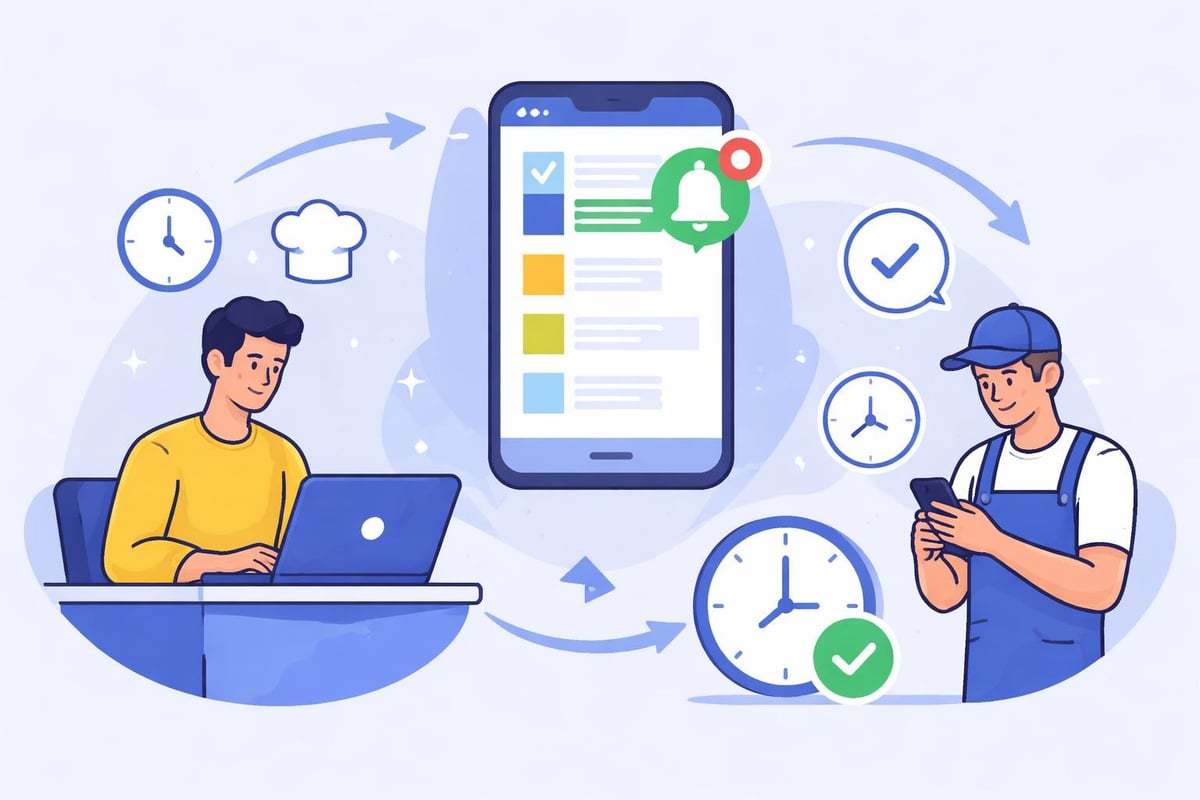
A comprehensive mobile workforce app delivers functionality that addresses the unique demands of service industry scheduling. The right platform combines scheduling tools, time tracking capabilities, and communication features into a unified system accessible through smartphones and tablets.
Smart Scheduling Capabilities
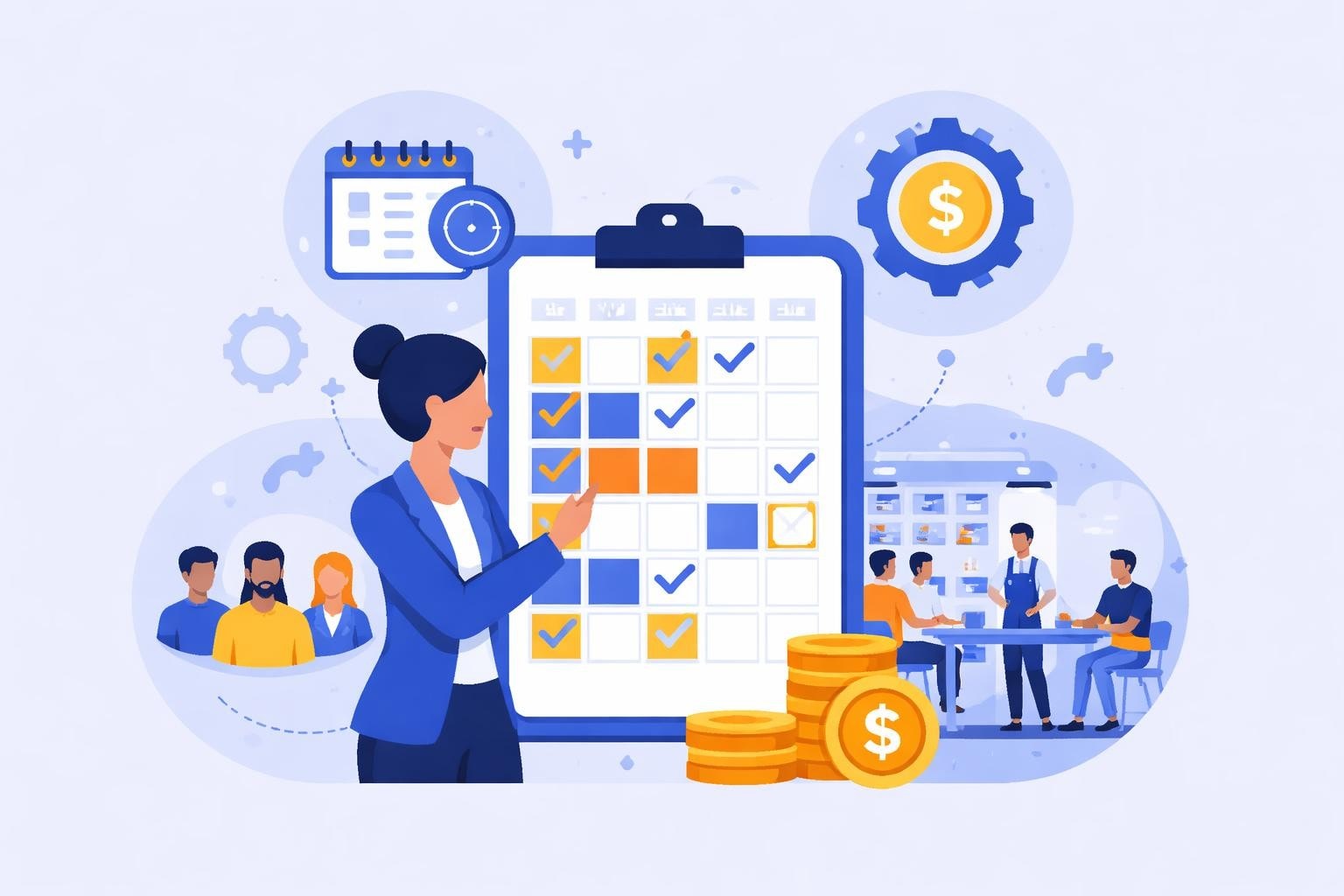
Modern scheduling goes beyond simple shift assignment. Intelligent systems analyze historical data, predict staffing needs based on expected customer volume, and help managers create optimized schedules that balance labor costs with service quality. Scheduling for restaurants requires consideration of peak hours, employee skills, labor law compliance, and budget constraints.
Schedule creation features include:
Drag-and-drop shift assignment
Template-based scheduling for recurring patterns
Availability management allowing employees to set their preferred hours
Conflict detection to prevent double-booking and compliance violations
Labor cost projections displayed in real-time as schedules are built
Time Tracking and Attendance Management
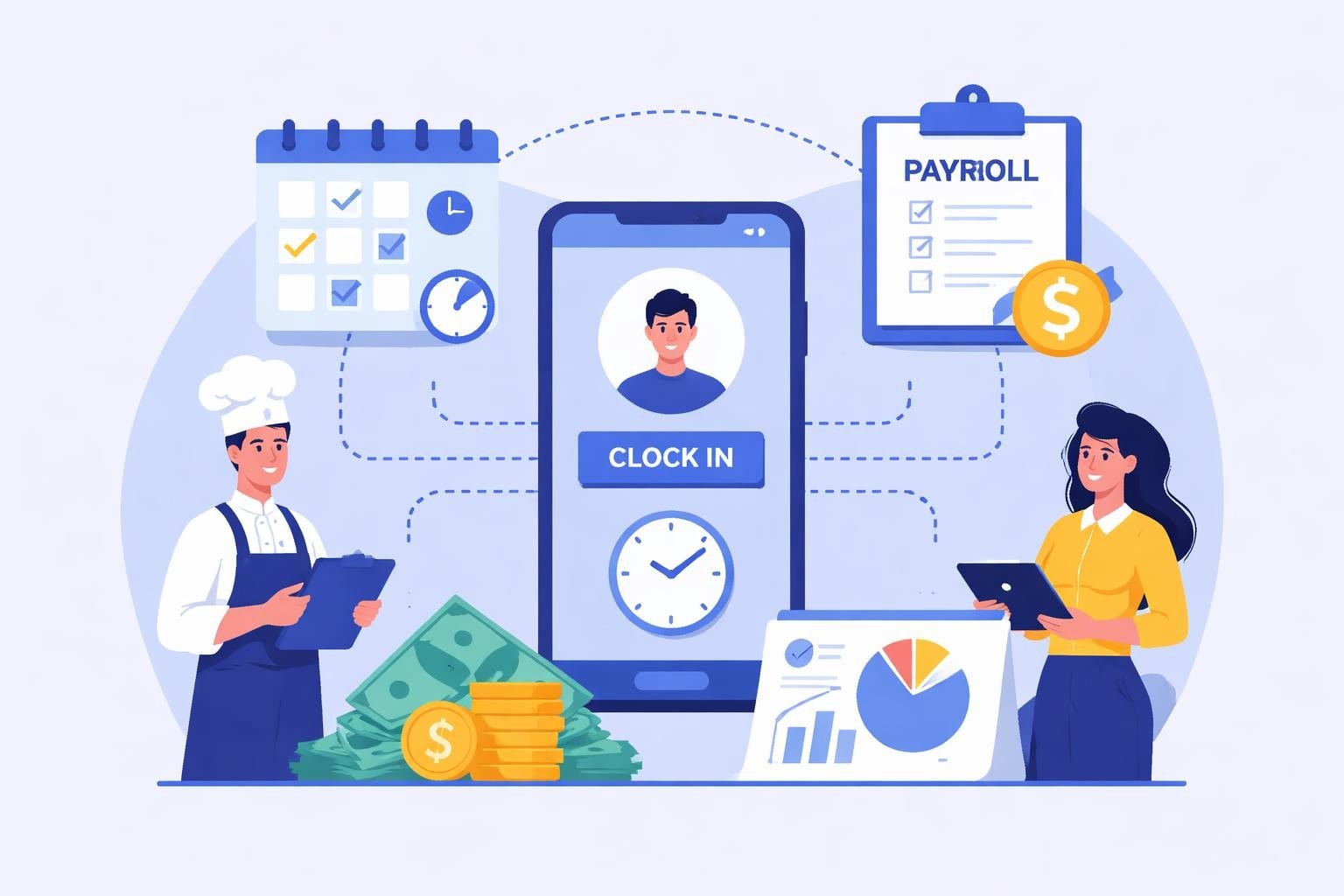
Accurate time tracking forms the foundation of fair payroll and effective labor cost management for restaurants. Mobile workforce app solutions eliminate time theft, buddy punching, and manual timesheet errors through GPS-verified clock-ins, facial recognition, and automated break tracking.
The system captures exact work hours, automatically calculates overtime, and flags potential compliance issues before they become costly problems. Managers gain visibility into who is working at any moment, enabling better decision-making during busy service periods.
Time Tracking Method | Accuracy | Setup Cost | Employee Acceptance |
|---|---|---|---|
Paper timesheets | Low | Minimal | High |
Physical time clock | Medium | Moderate | Medium |
Mobile workforce app | High | Low | High |
Biometric systems | Very High | High | Medium |
Transforming Communication and Coordination
The restaurant environment demands rapid communication between managers and staff. A mobile workforce app creates communication channels that keep everyone informed without the chaos of group texts or the formality of email.
Mobile apps are transforming workforce management by providing instant messaging, shift announcement broadcasts, and policy distribution through a single platform. Employees receive notifications about open shifts, schedule changes, and important announcements directly on their phones.
Shift Management and Flexibility
Employee turnover remains a persistent challenge in service industries. Providing scheduling flexibility through mobile tools significantly improves retention by respecting employees' personal commitments and preferences.
Shift flexibility features:
Employee-initiated shift swaps requiring manager approval
Open shift marketplace where workers claim available hours
Shift drop requests with automated coverage finding
Availability preferences respected in schedule creation
Shift reminder notifications reducing no-shows
This empowerment transforms employees from passive schedule recipients into active participants in workforce planning. The result is higher satisfaction, reduced turnover, and better coverage during critical service periods.
Integration With Business Systems
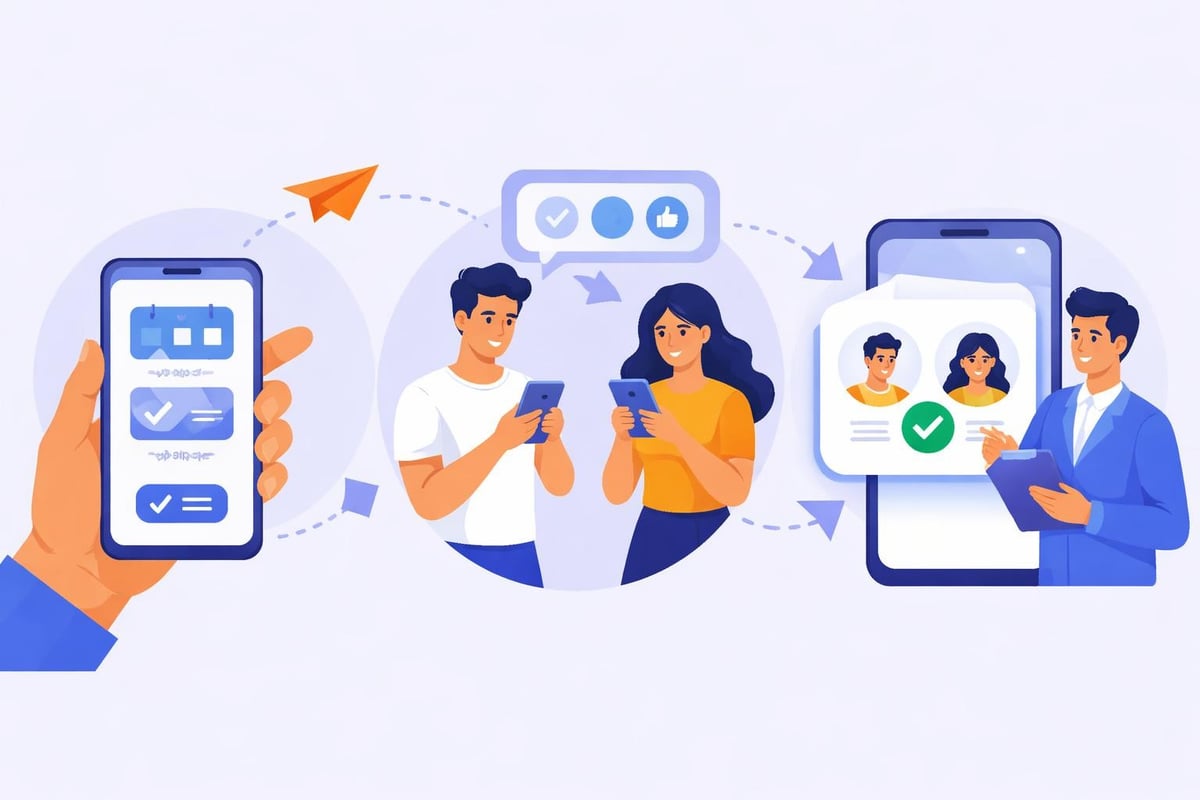
A mobile workforce app delivers maximum value when it connects seamlessly with existing business systems. Integration eliminates duplicate data entry, ensures consistency across platforms, and creates a unified operational ecosystem.
Payroll and Accounting Integration
Automated timesheet export to payroll systems eliminates manual data entry and associated errors. Hours worked flow directly from the mobile workforce app to payroll processing, ensuring employees receive accurate compensation while reducing administrative overhead.
The connection between scheduling and payroll enables managers to view labor costs in real-time, comparing actual spending against budgets and making informed adjustments before overspending occurs.
Point-of-Sale System Connections
Forward-thinking businesses connect their mobile workforce app with point-of-sale data to align staffing with actual customer demand. Historical sales data informs future scheduling decisions, ensuring appropriate coverage during peak periods while avoiding overstaffing during slow times.
This data-driven approach to scheduling transforms workforce management from guesswork into science, delivering measurable improvements in labor efficiency and customer service quality.
Compliance and Labor Law Management
Service industry businesses face complex labor regulations covering minimum wage, overtime, break requirements, and minor work restrictions. Non-compliance results in expensive penalties, lawsuits, and damaged reputation.
A robust mobile workforce app includes built-in compliance features that prevent violations before they occur:
Overtime alerts when employees approach threshold hours
Break enforcement ensuring legally required rest periods
Minor work restrictions preventing underage employees from working prohibited hours
Predictive scheduling compliance supporting fair workweek laws
Audit trails documenting all scheduling decisions and changes
These automated safeguards protect businesses from costly mistakes while reducing the compliance burden on managers who may lack legal expertise. The system becomes a proactive partner in maintaining regulatory compliance.
Real-World Impact on Service Industry Operations
Implementing a mobile workforce app creates measurable improvements across key operational metrics. Restaurants, cafes, and similar businesses report significant benefits following adoption of mobile workforce management solutions.
Cost Reduction and Efficiency Gains
Labor typically represents the largest controllable expense for service businesses. Mobile workforce technology reduces costs through several mechanisms:
Eliminated time theft through accurate clock-in verification
Reduced overtime via proactive alerts and schedule optimization
Decreased administrative time spent on scheduling and payroll tasks
Lower turnover costs from improved employee satisfaction
Minimized compliance penalties through automated rule enforcement
Many businesses recover their mobile workforce app investment within months through labor cost savings alone. The efficiency gains compound over time as managers master the platform and optimize their workforce strategies.
Employee Experience Enhancement
Understanding workforce mobile app expectations reveals that modern employees expect mobile access to work information. Providing a user-friendly mobile workforce app meets these expectations while delivering tangible benefits to staff.
Employees appreciate the convenience, transparency, and control these systems provide. Schedule visibility reduces anxiety about upcoming shifts, while swap capabilities help workers balance personal obligations with job responsibilities.
Employee Benefit | Traditional Scheduling | Mobile Workforce App |
|---|---|---|
Schedule access | Visit workplace | Anytime, anywhere |
Shift changes | Phone calls | In-app requests |
Time tracking | Manual entry | Automated capture |
Communication | Multiple channels | Unified platform |
Transparency | Limited | Complete visibility |
Selecting the Right Mobile Workforce Solution
The market offers numerous mobile workforce app options, each with different features, pricing models, and target audiences. Service industry businesses should evaluate solutions based on specific operational needs rather than pursuing generic workforce management platforms designed for office environments.
Essential Evaluation Criteria
Industry-specific functionality: Solutions designed for restaurants and hospitality businesses understand unique scheduling challenges like split shifts, varying labor demand, and high employee turnover. Generic platforms lack critical features service businesses require.
Ease of use: Both managers and employees must find the interface intuitive. Complex systems create resistance and reduce adoption, undermining potential benefits.
Mobile-first design: The platform should deliver full functionality through smartphone apps, not just web-based access. Employees without regular computer access need complete mobile capabilities.
Support and training: Quality customer support and comprehensive training resources ensure successful implementation and ongoing optimization.
Implementation Best Practices
Successful mobile workforce app deployment requires thoughtful planning and change management. Businesses should approach implementation systematically:
Begin with a pilot program involving a small team before full rollout
Provide hands-on training for both managers and employees
Collect feedback and address concerns during early adoption
Communicate benefits clearly to build enthusiasm and buy-in
Monitor key metrics to measure impact and identify optimization opportunities
The transition period requires patience as teams adapt to new workflows. However, businesses typically see positive results within weeks as the system becomes routine.
Advanced Features Driving Competitive Advantage
Leading mobile workforce app platforms extend beyond basic scheduling and time tracking to offer advanced capabilities that create competitive advantages for service businesses.
Predictive Scheduling and AI-Powered Optimization
Artificial intelligence analyzes historical patterns, seasonal trends, and external factors to recommend optimal schedules. The system learns from past performance, continuously improving its predictions and suggestions.
This intelligence helps managers make better decisions faster, freeing time for guest service and team development rather than administrative tasks.
Labor Analytics and Reporting
Comprehensive reporting transforms raw scheduling data into actionable insights. Managers access dashboards showing labor cost percentages, overtime trends, schedule adherence, and productivity metrics.
These analytics identify opportunities for improvement, highlight top performers, and reveal patterns that would remain hidden in manual systems. Employee rota software with robust reporting capabilities enables data-driven management decisions that improve both efficiency and employee satisfaction.
Multi-Location Management
Restaurant groups and chains benefit from centralized mobile workforce app platforms that provide visibility across all locations while allowing site-specific customization. Corporate managers monitor labor metrics system-wide, identifying locations that need support or sharing best practices from high-performing sites.
Standardized processes ensure consistency across the brand while accommodating local market conditions and labor regulations.
Security and Data Protection Considerations
Mobile workforce app platforms handle sensitive employee information including personal details, work hours, and compensation data. Mobile application management encompasses the security measures that protect this information from unauthorized access or breaches.
Businesses should verify that potential solutions implement:
Encryption for data transmission and storage
Role-based access controls limiting information visibility
Audit logging tracking all system access and changes
Regular security updates addressing emerging threats
Compliance certifications demonstrating adherence to data protection standards
Security failures create legal liability, financial loss, and reputational damage. Prioritizing data protection during vendor selection prevents future problems.
The Future of Mobile Workforce Management
The mobile workforce app landscape continues evolving as technology advances and business needs change. Understanding emerging trends helps businesses select solutions positioned for long-term relevance.
Emerging Capabilities
Current mobile workforce statistics demonstrate accelerating adoption of mobile technologies across industries. Service businesses can expect continued innovation in areas including:
Voice-activated interfaces allowing hands-free schedule checking and time clock interactions. Restaurant workers with busy hands benefit from voice commands that don't require touching devices.
Wearable integration connecting smartwatches and other devices for even more convenient time tracking and notification delivery.
Enhanced AI features providing increasingly sophisticated schedule optimization, demand forecasting, and anomaly detection.
Deeper integration ecosystems connecting workforce management with reservation systems, inventory management, and customer feedback platforms for holistic operational intelligence.
Market Growth and Adoption Trends
Industry analysis reveals substantial growth in mobile workforce management markets driven by digital transformation initiatives and changing workforce expectations. Service industry businesses increasingly recognize mobile workforce app solutions as essential infrastructure rather than optional technology.
This mainstream adoption benefits businesses through improved vendor competition, enhanced features, and decreasing costs. The question has shifted from whether to implement mobile workforce management to which solution best fits specific needs.
Maximizing Return on Investment
Purchasing a mobile workforce app represents an investment that should deliver measurable returns. Businesses maximize value through strategic implementation and ongoing optimization.
Measuring Success Metrics
Establish baseline measurements before implementation, then track improvements across key indicators:
Labor cost as percentage of revenue
Time spent on scheduling and payroll administration
Employee turnover rates and retention statistics
Schedule-related disputes and grievances
Overtime hours and associated costs
Schedule adherence and punctuality rates
Regular review of these metrics demonstrates ROI and identifies areas requiring attention or adjustment.
Continuous Improvement Strategies
The most successful businesses treat mobile workforce app adoption as an ongoing process rather than a one-time project. Regular activities that drive continuous improvement include:
Soliciting employee feedback on system usability and desired features
Reviewing analytics to identify optimization opportunities
Updating scheduling templates based on seasonal patterns
Training new managers and employees on advanced features
Staying informed about new platform capabilities and updates
This commitment to optimization ensures the system evolves with changing business needs and maintains its value over time.
Industry-Specific Considerations for Restaurants and Hospitality
While mobile workforce app benefits span industries, restaurants, cafes, pubs, and similar service businesses face unique operational realities that demand specialized capabilities.
High Turnover and Rapid Onboarding
Service industry turnover rates exceed most sectors, creating constant onboarding needs. Mobile workforce app platforms designed for these businesses include streamlined employee setup processes, intuitive interfaces requiring minimal training, and comprehensive help resources accessible through mobile devices.
New employees should achieve productivity quickly without extensive classroom training or thick procedure manuals.
Variable Demand and Dynamic Scheduling
Restaurant traffic fluctuates based on day of week, season, weather, local events, and countless other factors. Understanding mobile workforce software capabilities helps businesses identify solutions that accommodate this variability through flexible scheduling tools and demand-responsive features.
The platform should make schedule adjustments easy, support last-minute coverage needs, and provide visibility into labor availability during unexpected rushes or slow periods.
Multi-Role Employees
Service employees often perform multiple roles, with servers occasionally working host positions or cooks helping with prep work. The mobile workforce app must handle this complexity, tracking time by role, applying appropriate pay rates, and maintaining accurate skill inventories for scheduling decisions.
Mobile workforce app technology has fundamentally transformed how service industry businesses manage their most valuable resource: their people. By providing real-time visibility, streamlined communication, and intelligent automation, these platforms deliver measurable improvements in efficiency, compliance, and employee satisfaction. Heybegin offers purpose-built scheduling and time tracking solutions that address the specific challenges facing restaurants, cafes, pubs, and similar businesses, helping you reduce labor costs while empowering your team with the tools they need to succeed.