Restaurant Scheduling Software: Complete 2026 Guide
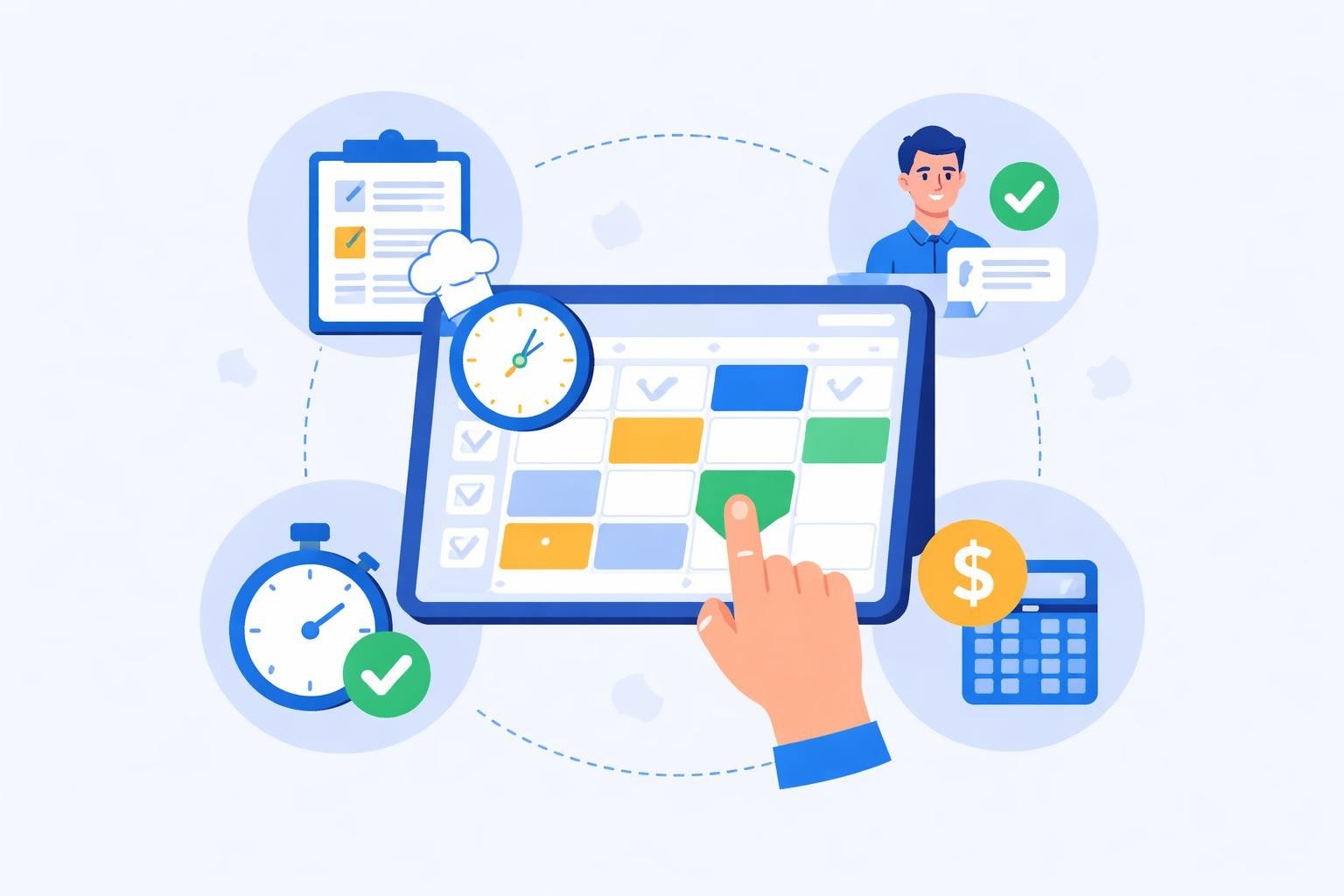
Discover how restaurant scheduling software transforms shift planning, reduces labor costs, and streamlines operations in 2026. Expert guide inside.
Managing a restaurant means juggling dozens of moving parts simultaneously, but few aspects prove as challenging as employee scheduling. From coordinating availability across multiple shifts to ensuring adequate coverage during peak hours, scheduling demands can quickly overwhelm managers who rely on spreadsheets or paper systems. Restaurant scheduling software has emerged as an essential tool for modern hospitality operations, transforming how restaurants, cafes, and pubs manage their workforce while significantly reducing administrative burden and operational costs.
Why Traditional Scheduling Methods Fall Short
Manual scheduling creates substantial friction in restaurant operations. Managers often spend hours each week building schedules by hand, cross-referencing employee availability, skill levels, and labor budget constraints. This time-consuming process leaves little room for strategic thinking about service quality or business growth.
Paper-based systems and spreadsheets introduce several critical problems:
Human errors in calculating hours and labor costs
Communication breakdowns when distributing schedules
Difficulty tracking last-minute shift changes
No real-time visibility into overtime risks
Compliance challenges with labor regulations
The hospitality industry faces unique scheduling complexities that generic tools cannot address. Restaurants operate with fluctuating customer demand, requiring different staffing levels for lunch rushes versus slow afternoons. Staff members often work split shifts or irregular hours, making pattern-based scheduling nearly impossible with traditional methods.
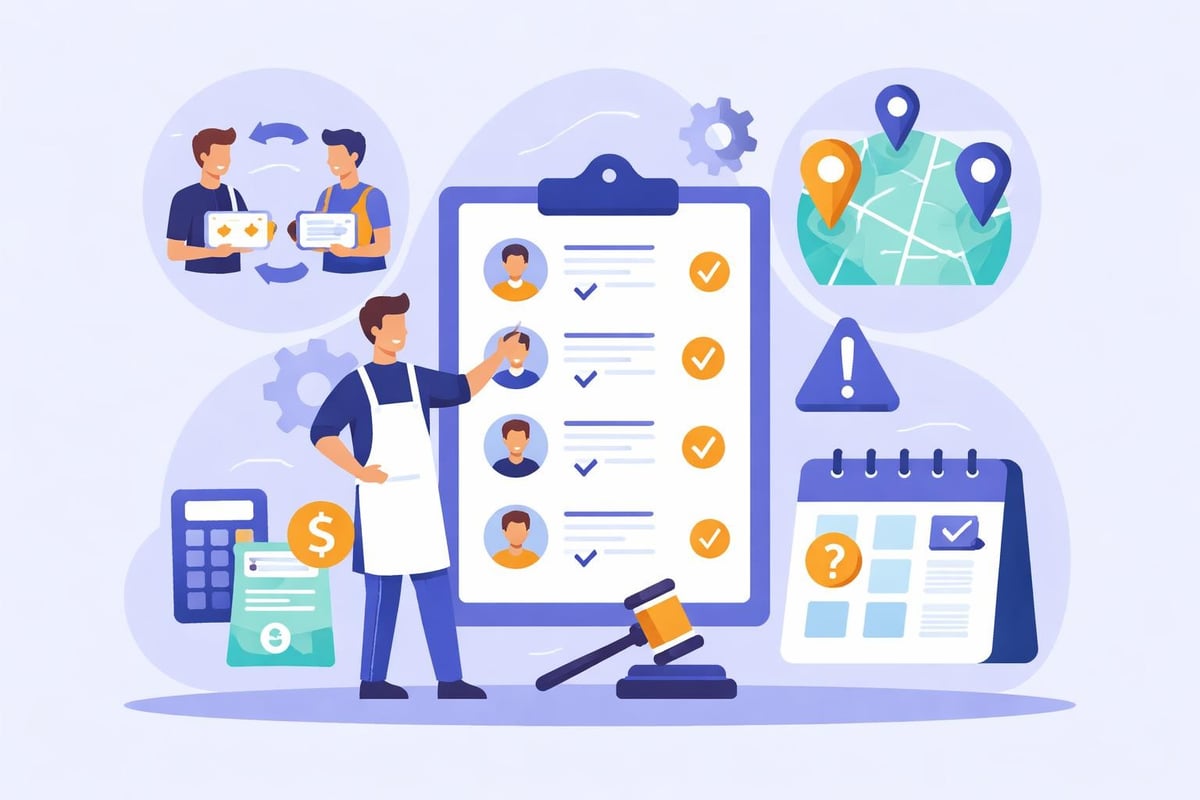
Core Features That Define Modern Restaurant Scheduling Software
Today's restaurant scheduling software delivers comprehensive functionality specifically designed for hospitality environments. These platforms have evolved far beyond simple calendar tools, incorporating intelligent automation and data-driven insights that help managers make better staffing decisions.
Automated Schedule Creation
Advanced algorithms analyze historical sales data, day-of-week patterns, and seasonal trends to recommend optimal staffing levels. This predictive capability ensures restaurants maintain appropriate coverage without excessive labor spending. The software considers employee qualifications, availability preferences, and labor law requirements simultaneously.
Real-Time Communication Tools
Instant notifications keep entire teams informed about schedule changes, shift opportunities, and important announcements. Employees receive updates directly on their mobile devices, eliminating confusion and reducing no-shows. Managers can broadcast messages to specific roles or the entire staff with a single action.
Mobile Access and Self-Service
Modern platforms prioritize mobile-first experiences, allowing staff members to view schedules, request time off, and pick up available shifts from their smartphones. This self-service approach dramatically reduces the administrative burden on managers while empowering employees with greater schedule control.
Feature Category | Business Impact | Time Savings |
|---|---|---|
Automated scheduling | 30-40% reduction in scheduling time | 5-8 hours weekly |
Mobile shift swaps | 70% fewer manager interventions | 3-5 hours weekly |
Integrated time tracking | Eliminates manual timesheet entry | 4-6 hours weekly |
Labor cost forecasting | 15-25% reduction in overtime | Ongoing savings |
Labor Cost Management and Optimization
One of the most compelling advantages of restaurant scheduling software lies in its ability to manage and reduce labor expenses. Labor typically represents 25-35% of restaurant revenue, making it the second-largest cost category after food. Even small improvements in scheduling efficiency translate directly to bottom-line profitability.
The software provides real-time visibility into labor costs for restaurants, allowing managers to make informed decisions before problems escalate. When an employee approaches overtime thresholds, the system alerts managers to redistribute hours or adjust upcoming schedules. This proactive approach prevents costly overtime expenses that can quickly erode profit margins.
Labor optimization features include:
Real-time labor percentage tracking against sales
Overtime prediction and prevention alerts
Budget-based scheduling constraints
Historical labor analytics and trending
Multi-location labor comparison tools
Sophisticated platforms integrate with point-of-sale systems to compare scheduled labor against actual sales performance. This integration reveals whether specific shifts are over-staffed or under-staffed, enabling continuous refinement of scheduling strategies over time.
Compliance and Legal Protection
Restaurant operators face increasingly complex labor regulations covering minimum wage, overtime, break requirements, and predictive scheduling laws. Many jurisdictions now require advance notice for schedules and compensation for last-minute changes. Failure to comply with these regulations can result in substantial fines and legal liability.
Restaurant scheduling software embeds compliance rules directly into the scheduling process. The system prevents managers from creating schedules that violate labor laws, whether related to rest periods between shifts, minor work hour restrictions, or fair workweek ordinances. This built-in protection significantly reduces legal risk while ensuring ethical treatment of staff members.
Documentation capabilities prove invaluable during audits or disputes. The software maintains complete records of schedules, time-off requests, shift changes, and communications. This audit trail provides concrete evidence of compliance and protects businesses from fraudulent claims.
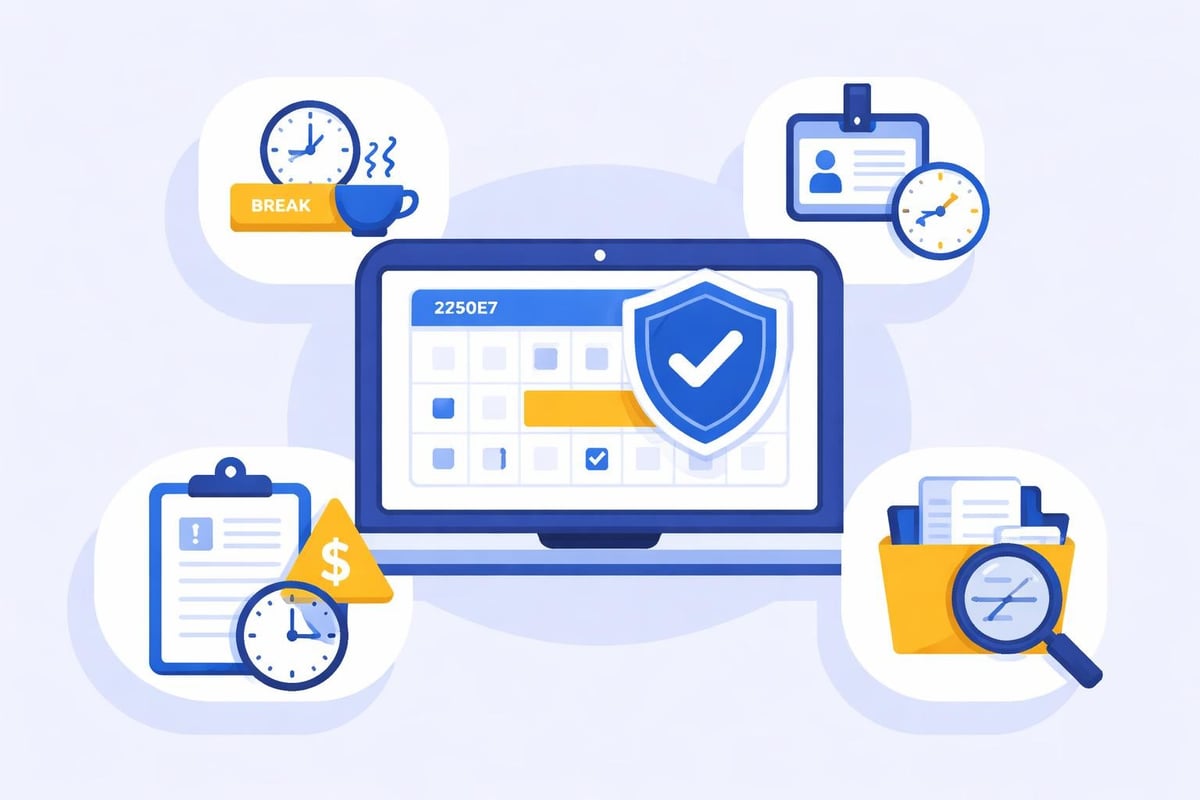
Integration Capabilities and Ecosystem Benefits
Modern restaurant scheduling software functions as a central hub within the broader technology ecosystem. Rather than operating in isolation, these platforms connect with payroll systems, point-of-sale terminals, human resources databases, and accounting software. These integrations eliminate duplicate data entry and ensure consistency across all business systems.
Payroll Integration
Direct connections to payroll providers streamline the entire compensation process. Approved timesheets flow automatically from the scheduling platform to payroll systems, eliminating manual data transfer and reducing payroll processing time by 60-70%. This integration also minimizes errors that can damage employee trust and trigger compliance issues.
Point-of-Sale Connectivity
Linking scheduling software with POS systems enables sophisticated labor forecasting based on actual sales patterns. Managers can compare labor costs against revenue in real-time, adjusting staffing levels dynamically to maintain target labor percentages. This visibility empowers better decision-making throughout each shift.
Communication Platform Integration
Connecting with messaging tools like Slack or email systems ensures schedule notifications reach employees through their preferred channels. This flexibility increases message open rates and reduces the communication gaps that lead to scheduling confusion.
Employee Experience and Retention Benefits
Restaurant scheduling software delivers substantial advantages for front-line staff members, not just managers. In an industry plagued by high turnover rates often exceeding 70% annually, any tool that improves employee satisfaction creates meaningful value. Better scheduling directly impacts work-life balance, income predictability, and job satisfaction.
Employee-focused features include:
Transparent access to schedules weeks in advance
Simple shift swap functionality without manager approval
Automated notifications for open shifts and opportunities
Fair distribution of desirable shifts and hours
Easy time-off request submission and tracking
Research consistently shows that unpredictable schedules rank among the top complaints in hospitality work. When employees gain visibility and control over their schedules, engagement increases and turnover decreases. Employee rota software that prioritizes staff needs creates more stable, experienced teams that deliver superior customer service.
The shift marketplace feature allows employees to claim available shifts that fit their schedules, creating additional earning opportunities while giving managers backup coverage options. This flexibility benefits both parties and fosters a more collaborative workplace culture.
Choosing the Right Platform for Your Restaurant
Selecting appropriate restaurant scheduling software requires careful evaluation of your specific operational needs, budget constraints, and growth plans. Not all platforms offer the same features or cater to the same restaurant types. A quick-service establishment has different requirements than a fine dining restaurant with sommelier schedules and complex tasting menus.
Size and Complexity Considerations
Single-location independent restaurants may prioritize simplicity and affordability, while multi-unit operators need robust reporting, centralized management, and role-based permissions. Consider how many employees you schedule, how many locations you operate, and whether you need features like skills-based scheduling or certification tracking.
Budget and Pricing Models
Most restaurant scheduling software uses per-employee monthly pricing, typically ranging from two to eight dollars per user. Some platforms charge flat fees regardless of team size, which can benefit larger operations. Factor in implementation costs, training requirements, and any hardware needs when calculating total cost of ownership.
Platform Type | Best For | Typical Cost | Key Advantage |
|---|---|---|---|
Basic scheduling | Single location, under 20 staff | $1-3 per employee | Simplicity and low cost |
Mid-tier platforms | Growing restaurants, 2-5 locations | $3-6 per employee | Balance of features and price |
Enterprise solutions | Multi-unit chains, 100+ employees | $6-10+ per employee | Advanced analytics and support |
All-in-one systems | Restaurants wanting unified HR/scheduling | Variable pricing | Integrated ecosystem |
According to reviews of employee scheduling software options, the most successful implementations align software capabilities with actual business processes rather than choosing based solely on feature lists.
Implementation Strategies for Maximum Adoption
Purchasing restaurant scheduling software represents only the first step toward improved operations. Successful implementation requires thoughtful planning, comprehensive training, and ongoing optimization. Many restaurants struggle with adoption when they underestimate the change management required to shift from familiar manual processes.
Preparation Phase
Before launching new software, document current scheduling processes and pain points. Identify champions among your management team and staff who can advocate for the new system. Clean up employee data, ensuring accurate contact information, availability records, and role assignments that will populate the new platform.
Training and Rollout
Structured training sessions for both managers and employees dramatically improve adoption rates. Schedule hands-on practice time where team members can explore the system in a low-pressure environment. Consider a phased rollout, perhaps starting with a single location or department before expanding company-wide.
Training should cover:
How to view and download schedules
Requesting time off and shift swaps
Picking up available shifts
Clocking in and out (if applicable)
Updating availability and preferences
Accessing pay information and timesheets
Provide multiple learning formats, including written guides, video tutorials, and live demonstrations. Restaurant staff members have varying comfort levels with technology, and diverse training materials ensure everyone can learn effectively.
Advanced Features Transforming Restaurant Operations
Leading restaurant scheduling software platforms continue evolving beyond basic scheduling functionality. Artificial intelligence and machine learning capabilities now enable predictive analytics that forecast staffing needs with remarkable accuracy. These advanced features separate basic scheduling tools from strategic workforce management systems.
Demand Forecasting
Sophisticated algorithms analyze years of historical data, identifying patterns invisible to human schedulers. The software recognizes that the third Tuesday of the month consistently brings higher lunch traffic, or that rainy weather correlates with lower dinner reservations. These insights inform smarter scheduling decisions that optimize both service quality and labor costs.
Skills-Based Scheduling
Restaurants require specific skills for different positions and shifts. A fine dining restaurant needs experienced servers during Saturday dinner service, while a café might require barista certification for morning shifts. Scheduling for restaurants becomes more sophisticated when the software considers qualifications, certifications, and performance metrics when building schedules.
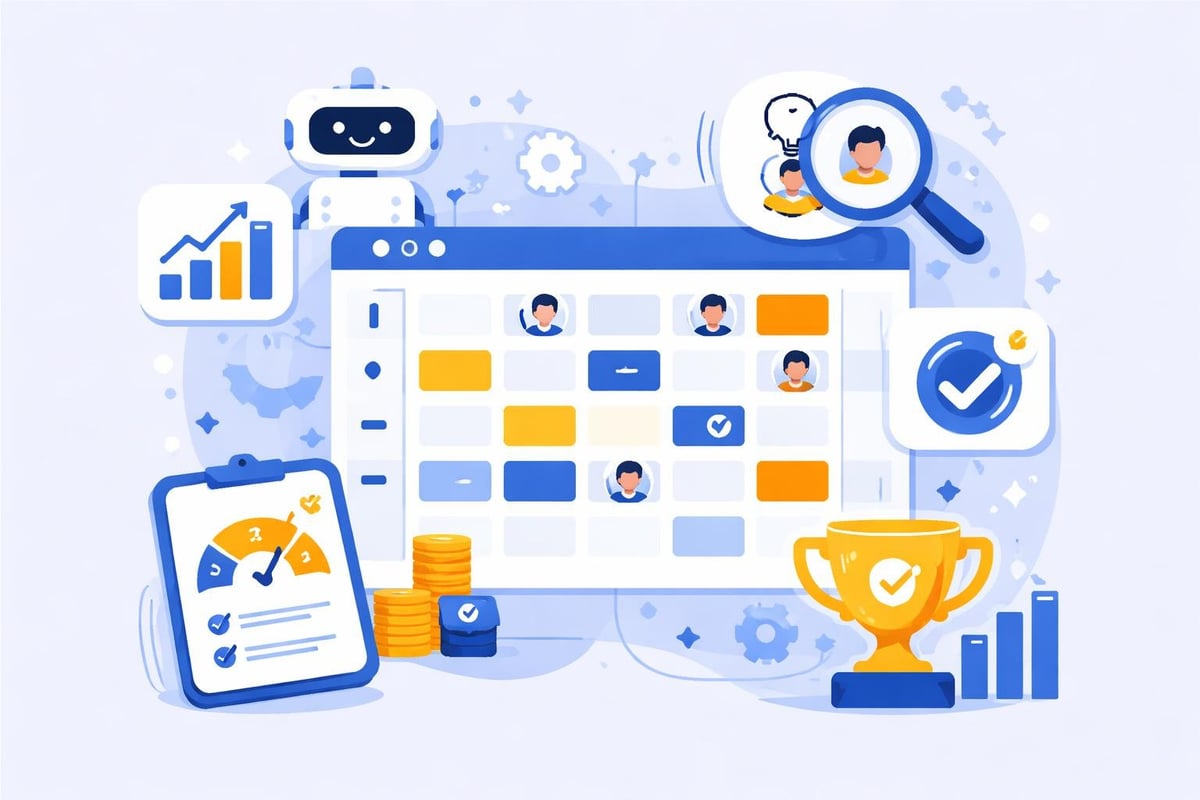
Performance Analytics
Detailed reporting reveals which employees consistently arrive on time, which shifts generate the highest sales per labor hour, and how scheduling decisions impact customer satisfaction scores. This data-driven approach enables continuous improvement in workforce management strategies.
Managers can identify training opportunities, recognize high performers, and make evidence-based decisions about promotions or scheduling adjustments. The analytics transform scheduling from an administrative task into a strategic advantage.
Mobile Technology and On-the-Go Management
The restaurant industry operates far from traditional desk-bound environments. Managers need access to scheduling tools while walking the floor, meeting with suppliers, or handling emergencies at remote locations. Mobile-optimized restaurant scheduling software acknowledges this reality by delivering full functionality through smartphone applications.
Mobile apps enable managers to approve time-off requests during their commute, adjust schedules while reviewing prep work in the kitchen, or fill last-minute call-outs from anywhere. This flexibility prevents bottlenecks and keeps operations running smoothly even when managers cannot access desktop computers.
Employees benefit equally from mobile access. Staff members can check schedules during breaks, claim open shifts while waiting for the bus, or submit availability updates from home. This convenience increases engagement with the scheduling system and reduces the coordination burden on managers.
Geofencing technology built into mobile apps can restrict clock-in capabilities to physical restaurant locations, preventing time theft. GPS verification ensures employees are actually on-site when they record their hours, protecting businesses from fraudulent time entries.
Open-Source Alternatives and Customization Options
Some restaurants explore open-source employee scheduling solutions that offer greater customization potential and lower licensing costs. These platforms provide source code access, allowing technically proficient operators to modify functionality to match unique business requirements. However, open-source solutions require significant technical expertise for implementation, maintenance, and ongoing support.
Commercial restaurant scheduling software typically delivers better user experiences, comprehensive customer support, and regular feature updates without requiring in-house development resources. For most restaurant operators, the total cost of ownership favors commercial solutions despite higher upfront licensing fees.
Security and Data Protection Considerations
Restaurant scheduling software stores sensitive employee information including contact details, social security numbers, pay rates, and banking information. Robust security measures protect this data from breaches that could expose the business to legal liability and reputational damage.
Essential security features include:
Encrypted data transmission and storage
Role-based access controls limiting information visibility
Two-factor authentication for manager accounts
Regular security audits and compliance certifications
Automated backup and disaster recovery systems
Verify that any platform under consideration complies with relevant data protection regulations. GDPR requirements apply to restaurants operating in Europe, while California privacy laws affect businesses with California employees. According to detailed comparisons of restaurant scheduling software, security capabilities vary significantly between providers.
Multi-Location Management and Scalability
Restaurant groups operating multiple locations face exponentially more complex scheduling challenges. Centralized restaurant scheduling software enables corporate oversight while preserving location-specific autonomy. District managers can view labor metrics across all locations, identifying outliers and sharing best practices between sites.
Transfer functionality allows employees to work shifts at different locations, providing coverage flexibility during busy periods or staffing emergencies. Cross-location visibility helps balance labor resources across the organization, sending employees from slow locations to help with unexpected rushes elsewhere.
Standardized processes enabled by unified scheduling software ensure consistency in how managers handle time-off requests, create schedules, and enforce policies. This consistency proves particularly valuable for multi-unit operators building recognizable brands with predictable employee experiences.
Financial Impact and Return on Investment
Implementing restaurant scheduling software requires investment, but the financial returns typically manifest within weeks. Reduced overtime alone often covers subscription costs, while time savings enable managers to focus on revenue-generating activities rather than administrative paperwork.
Cost Category | Annual Impact | Calculation Basis |
|---|---|---|
Reduced overtime | $8,000-$15,000 | 10-hour weekly reduction at $15/hour overtime rate |
Manager time savings | $12,000-$18,000 | 8 hours weekly at $30/hour manager wage |
Reduced turnover | $5,000-$20,000 | 2-5 fewer replacements annually at $3,000 per hire |
Fewer scheduling errors | $2,000-$5,000 | Reduced overstaffing and understaffing costs |
Total Annual Savings | $27,000-$58,000 | Mid-sized restaurant (30-50 employees) |
These calculations illustrate why restaurant scheduling software generates compelling returns even for smaller operations. Larger multi-unit restaurants experience proportionally greater benefits, with some operators reporting six-figure annual savings from optimized labor management.
Beyond direct cost savings, improved employee satisfaction and retention create long-term value. Experienced staff members deliver better customer service, work more efficiently, and require less supervision. The compounding effects of reduced turnover impact overall restaurant profitability in ways that extend far beyond scheduling efficiency.
Future Trends in Restaurant Workforce Management
The restaurant scheduling software category continues evolving rapidly as vendors incorporate emerging technologies and respond to changing labor market dynamics. Artificial intelligence capabilities will grow more sophisticated, potentially eliminating manual schedule creation entirely for many establishments. Predictive models will account for weather forecasts, local events, social media sentiment, and dozens of other variables when recommending optimal staffing levels.
Integration with applicant tracking and onboarding systems will create seamless transitions from candidate to scheduled employee. New hires could receive their first shifts automatically based on training status and availability, removing friction from the hiring process.
Voice-activated interfaces may allow managers to adjust schedules or check labor percentages through smart speakers while handling other tasks. Natural language processing could enable employees to request time off through conversational chatbots rather than form-based systems.
Blockchain technology might provide tamper-proof records of hours worked and schedules assigned, creating additional protection during disputes or audits. As discussed in comprehensive guides to restaurant scheduling apps, the technology landscape continues expanding with innovations that reshape workforce management.
Restaurant scheduling software has transformed from a luxury to a necessity for competitive hospitality operations in 2026. The right platform reduces administrative burden, optimizes labor costs, improves employee satisfaction, and provides the data-driven insights that separate thriving restaurants from struggling ones. Whether you operate a single café or a multi-unit restaurant group, modern scheduling tools deliver measurable returns that impact your bottom line from day one. Heybegin provides smart scheduling and time tracking solutions specifically designed for restaurants, cafes, pubs, and other service industries, helping you reduce labor costs while building more engaged, efficient teams through automated scheduling, real-time tracking, and intelligent workforce management.