Restaurant Smart: Modern Technology for 2026 Success
Discover how restaurant smart technology transforms operations in 2026. Learn about automation, scheduling, and tools that reduce costs and boost efficiency.
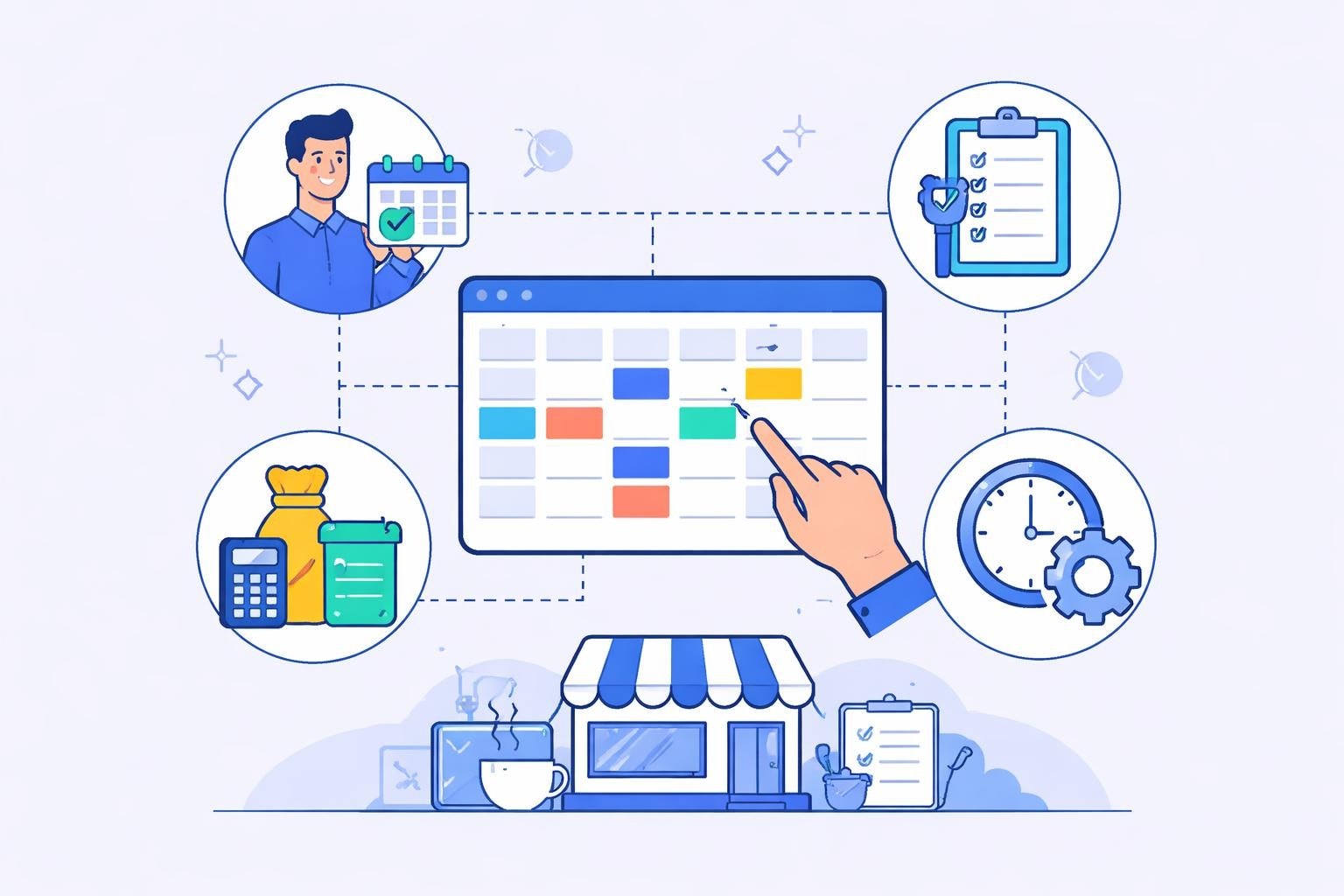
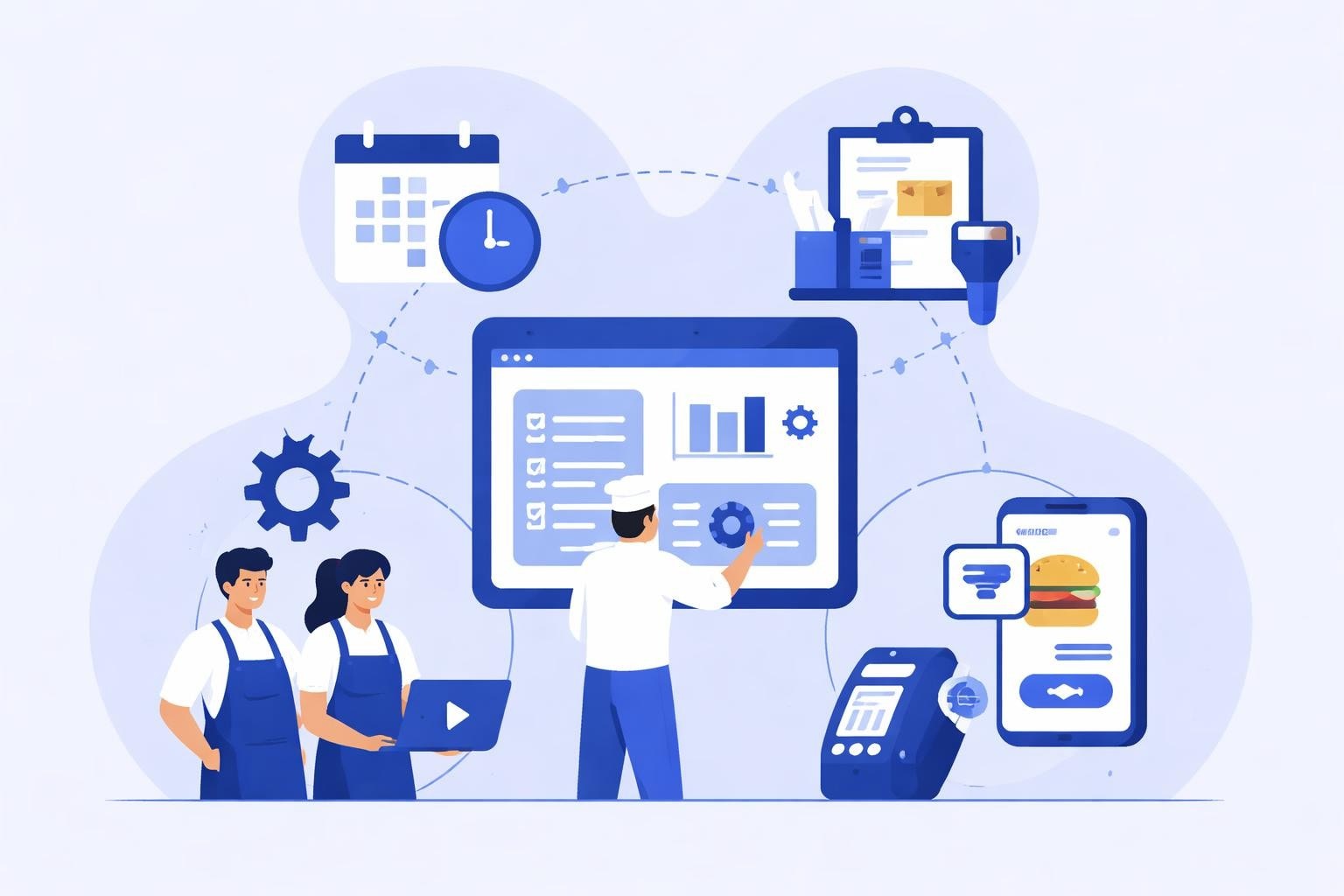
The restaurant industry has undergone a dramatic transformation in recent years, driven by technological innovation and changing customer expectations. In 2026, becoming restaurant smart isn't just about adopting new gadgets-it's about creating an integrated ecosystem of tools and processes that optimize every aspect of operations. From intelligent scheduling platforms to automated inventory systems, restaurants that embrace smart technology are seeing measurable improvements in profitability, employee satisfaction, and customer experience. This shift represents more than incremental improvement; it's a fundamental reimagining of how restaurants operate in an increasingly competitive and complex marketplace.
Understanding Restaurant Smart Technology
Restaurant smart technology encompasses a wide range of digital solutions designed to streamline operations, reduce waste, and enhance decision-making capabilities. At its core, being restaurant smart means leveraging data-driven insights to make better operational choices in real-time.
The foundation of any restaurant smart strategy begins with understanding which technologies deliver the most value for your specific business model. Not every restaurant needs every technology, but certain solutions have become essential across the industry.
Key components of restaurant smart systems include:
Automated scheduling and labor management platforms
Real-time inventory tracking and waste reduction systems
Point-of-sale integration with back-office operations
Customer relationship management and loyalty programs
Contactless ordering and payment solutions
According to emerging technology trends in the restaurant industry, automation and AI-driven decision-making are revolutionizing how restaurants approach staffing, inventory, and customer service.
The Evolution of Smart Restaurant Operations
The restaurant smart movement has accelerated significantly since 2020, when operational challenges forced rapid technology adoption. What began as emergency measures have evolved into sophisticated, integrated systems that provide competitive advantages.
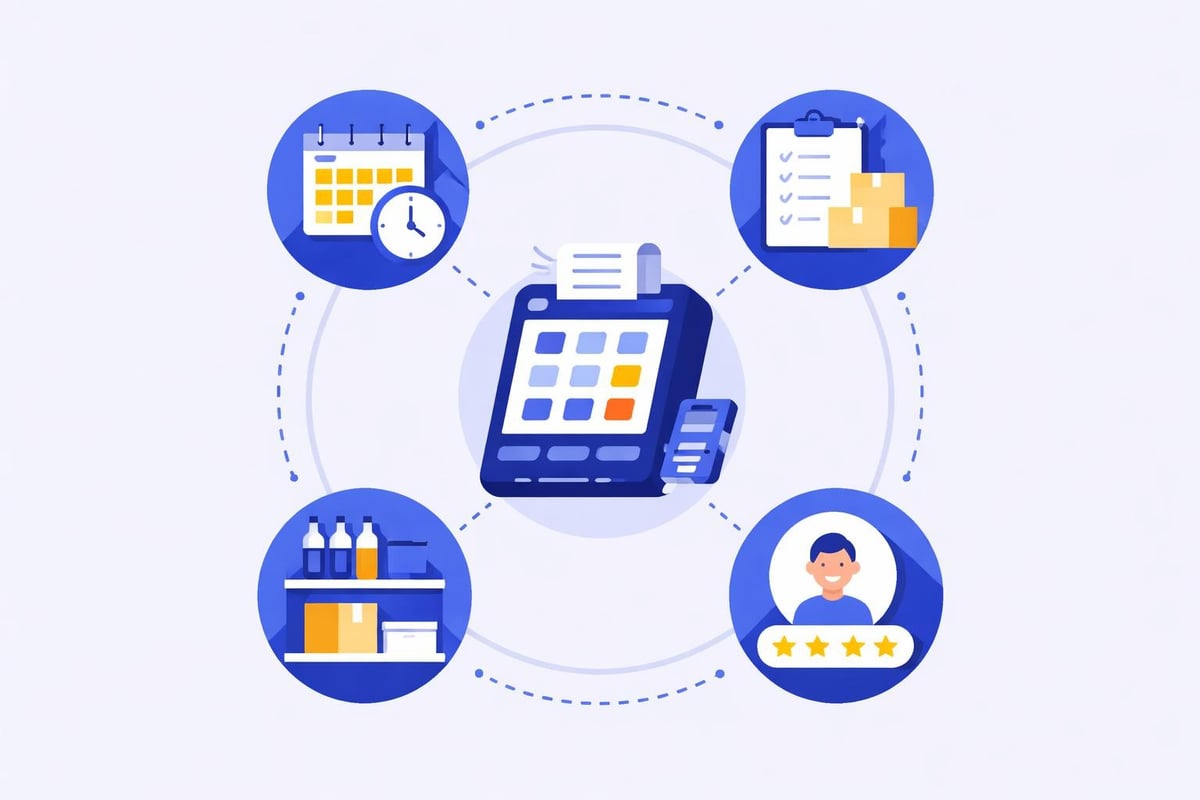
Modern restaurant operators now expect their technology stack to communicate seamlessly. A truly restaurant smart establishment uses platforms that share data across departments, eliminating silos and providing comprehensive visibility into operations.
Scheduling and Labor Management in Restaurant Smart Operations
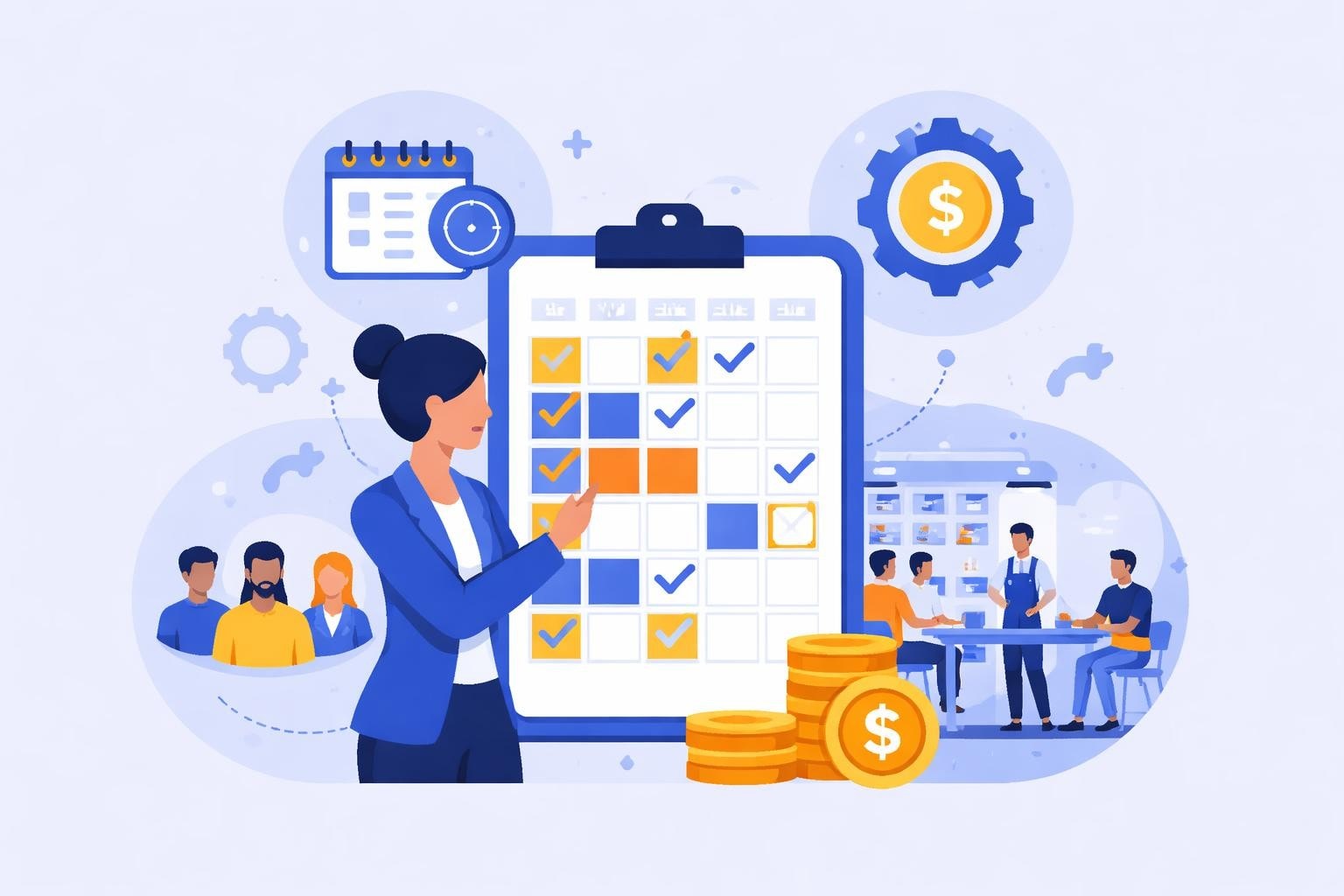
Labor costs typically represent 25-35% of a restaurant's total expenses, making workforce management one of the most critical areas for optimization. Restaurant smart scheduling solutions have evolved far beyond simple shift calendars to become sophisticated tools that balance employee preferences, labor laws, demand forecasting, and budget constraints.
Real-Time Time Tracking Benefits
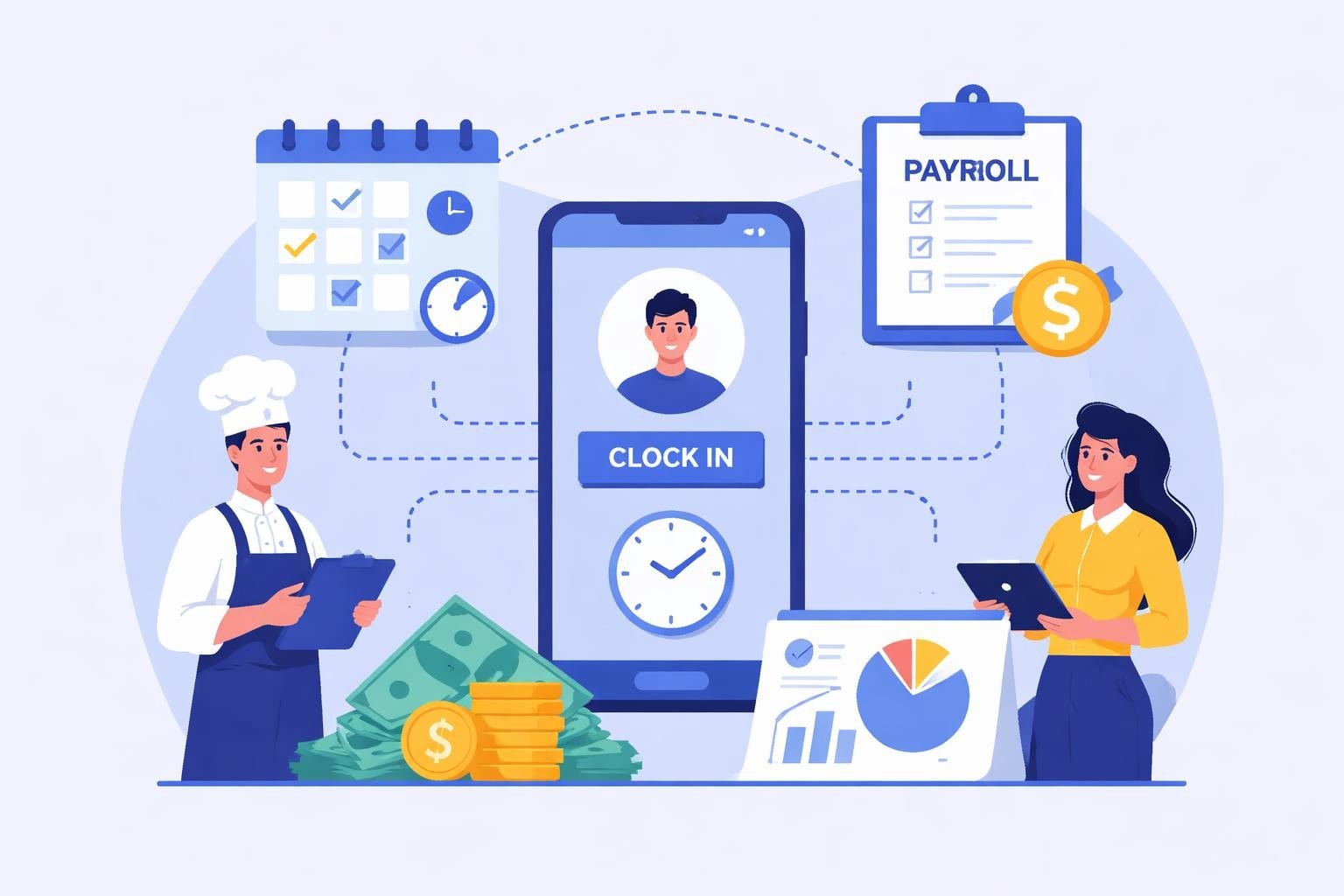
Traditional punch clocks and paper timesheets create opportunities for time theft, calculation errors, and compliance issues. Modern restaurant smart platforms eliminate these problems through automated time tracking that captures exact work hours and integrates directly with payroll systems.
Advantages of automated time tracking include:
Elimination of buddy punching through mobile verification
Automatic break compliance monitoring
Real-time labor cost visibility against budgets
Reduced payroll processing time by up to 75%
Historical data for improved forecasting
Understanding labor costs for restaurants is essential for managers looking to optimize their workforce investment without sacrificing service quality.
Empowering Staff Through Shift Flexibility
Employee satisfaction directly impacts retention rates, which in turn affects training costs and service consistency. Restaurant smart scheduling empowers staff by providing transparency and flexibility that traditional methods cannot match.
Modern platforms enable shift swapping functionality that allows employees to trade shifts within manager-defined parameters, reducing last-minute callouts and improving work-life balance. This self-service approach reduces administrative burden while increasing staff autonomy.
Traditional Scheduling | Restaurant Smart Scheduling |
|---|---|
Manager creates all schedules manually | AI-assisted schedule generation based on demand |
Phone calls for shift changes | Mobile app shift swapping |
Paper timesheets prone to errors | Automated digital time tracking |
Weekly schedule review | Real-time labor cost monitoring |
Fixed schedules regardless of traffic | Dynamic scheduling based on forecasts |
Inventory and Waste Management for Restaurant Smart Kitchens
Food costs consume approximately 28-35% of restaurant revenue, making inventory management another critical area where restaurant smart technology delivers substantial returns. The latest restaurant technology solutions for 2026 emphasize smart inventory and waste tracking as essential components.
Predictive Ordering Systems
Advanced restaurant smart platforms use historical sales data, seasonal trends, upcoming reservations, and even weather forecasts to predict ingredient needs with remarkable accuracy. This reduces both waste from over-ordering and lost sales from stockouts.
These systems track ingredient usage at the recipe level, providing precise par levels and automated reorder alerts. Some platforms integrate directly with supplier systems, enabling automatic purchase order generation when inventory falls below thresholds.
Benefits of predictive inventory management:
Reduce food waste by 15-25%
Decrease inventory carrying costs
Minimize emergency orders at premium prices
Improve cash flow through optimized purchasing
Identify menu items with unfavorable food cost ratios
Kitchen Display Systems and Preparation Efficiency
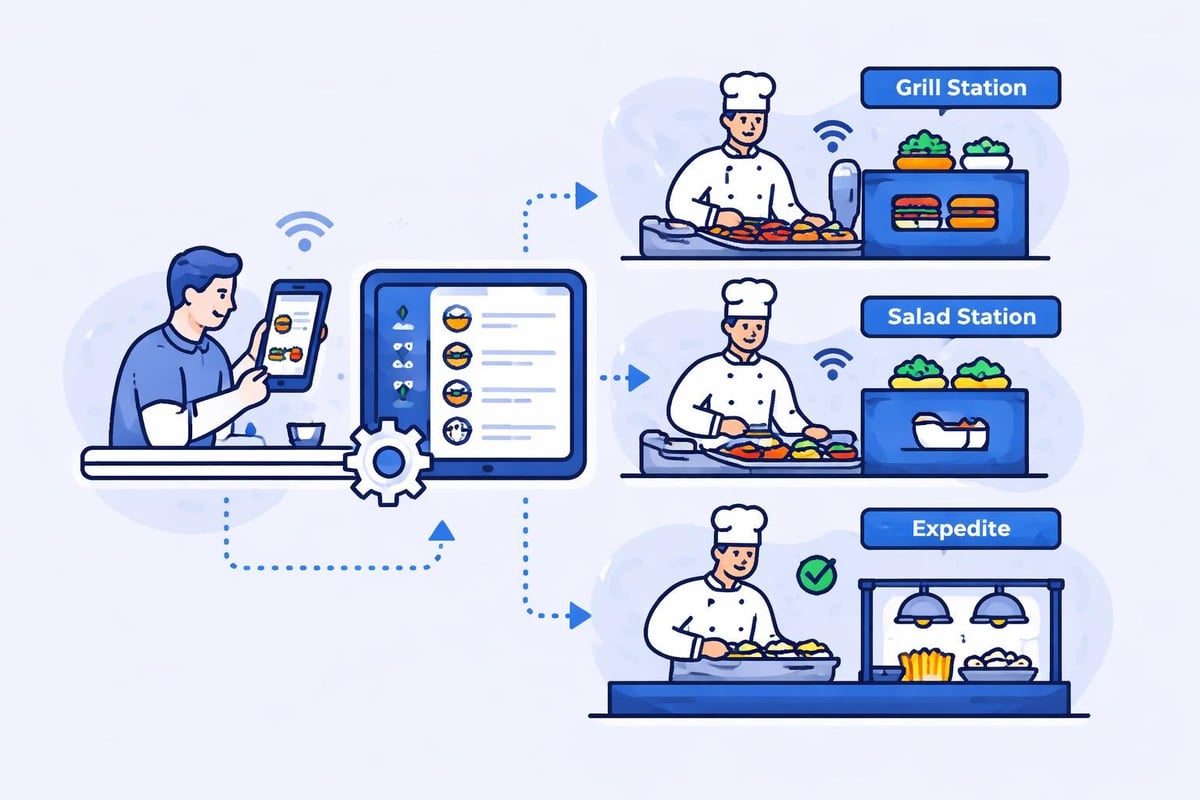
Modern kitchen display systems (KDS) represent a significant upgrade from printed tickets, offering restaurant smart kitchens better visibility, timing, and coordination. These systems prioritize orders based on preparation time, highlight allergen information, and track ticket times to identify bottlenecks.
Integration between front-of-house and back-of-house systems ensures seamless communication, reducing errors and improving ticket times. When combined with automated inventory tracking, KDS can even alert managers when specific menu items are becoming unavailable.
Customer Experience Enhancement Through Restaurant Smart Technology
The customer-facing aspects of restaurant smart technology have evolved dramatically, with contactless dining becoming standard rather than exceptional. Today's diners expect seamless digital experiences that complement rather than replace personal service.
Contactless Ordering and Payment
QR code menus and tableside ordering have transitioned from pandemic necessities to permanent fixtures in many restaurants. These systems reduce labor requirements while paradoxically improving service speed and order accuracy.
Restaurant smart payment processing integrates with point-of-sale systems to enable split checks, tip customization, and instant payment-all without waiting for a server. This convenience factor significantly impacts customer satisfaction scores and table turnover rates.
According to restaurant technology trends for 2026, seamless self-service table flows and mobile wallet adoption are accelerating across all restaurant segments.
Data-Driven Personalization
Customer relationship management systems capture preferences, visit frequency, and spending patterns to enable personalized marketing and service. Restaurant smart operators use this data to create targeted promotions, customize recommendations, and build loyalty programs that actually drive repeat visits.
Automated birthday promotions with personalized offers
Preference tracking for dietary restrictions and favorite dishes
Dynamic pricing for off-peak periods
Targeted email campaigns based on visit patterns
Integration with third-party reservation platforms
Reporting and Analytics for Restaurant Smart Decision-Making
Access to real-time data transforms restaurant management from reactive crisis-handling to proactive optimization. Restaurant smart analytics platforms aggregate data from multiple sources to provide actionable insights across operations.
Key Performance Indicators for Modern Restaurants
Successful restaurant smart operations monitor dozens of metrics simultaneously, using dashboards that highlight exceptions and trends requiring attention. These systems move beyond basic sales reports to provide deep operational insights.
Metric Category | Key Indicators | Business Impact |
|---|---|---|
Labor | Labor cost percentage, overtime hours, employee turnover | Identifies scheduling inefficiencies and retention issues |
Food Cost | Prime cost, waste percentage, variance to theoretical | Reveals purchasing and portioning problems |
Customer | Average check, table turnover, online review ratings | Measures service quality and revenue optimization |
Operational | Ticket times, cover counts, revenue per labor hour | Tracks efficiency and productivity |
Forecasting and Demand Planning
Predictive analytics represent the cutting edge of restaurant smart technology, using machine learning algorithms to forecast demand with increasing accuracy. These systems consider historical patterns, events, weather, holidays, and even social media sentiment to predict covers and revenue.
Advanced platforms provide recommendations for staffing levels, purchasing quantities, and promotional timing based on these forecasts. The result is optimized labor scheduling that matches actual demand, reducing both understaffing and overstaffing scenarios.
The latest smart restaurant technology trends emphasize AI-driven operations and predictive analytics as essential tools for competitive advantage.
Implementation Strategies for Restaurant Smart Technology
Adopting restaurant smart technology requires careful planning to avoid disruption and ensure staff buy-in. Successful implementations follow structured approaches that prioritize core systems before expanding to specialized tools.
Phased Technology Adoption
Rather than attempting wholesale technology replacement, restaurant smart operators typically phase implementation across three stages. This approach reduces risk, manages costs, and allows time for staff training and adjustment.
Phase 1: Foundation Systems
Point-of-sale upgrade or optimization
Scheduling and time tracking platform
Basic inventory management
Phase 2: Integration and Automation
Integration between core systems
Customer relationship management
Automated reporting dashboards
Phase 3: Advanced Optimization
Predictive analytics and forecasting
Dynamic pricing systems
Advanced kitchen automation
Staff Training and Change Management
Technology only delivers value when staff actually use it correctly and consistently. Restaurant smart implementations succeed when operators invest adequate time and resources in training and change management.
Creating champions within each department-front-of-house, back-of-house, and management-helps drive adoption and identify implementation challenges early. These advocates can provide peer training and troubleshooting that's often more effective than formal training sessions.
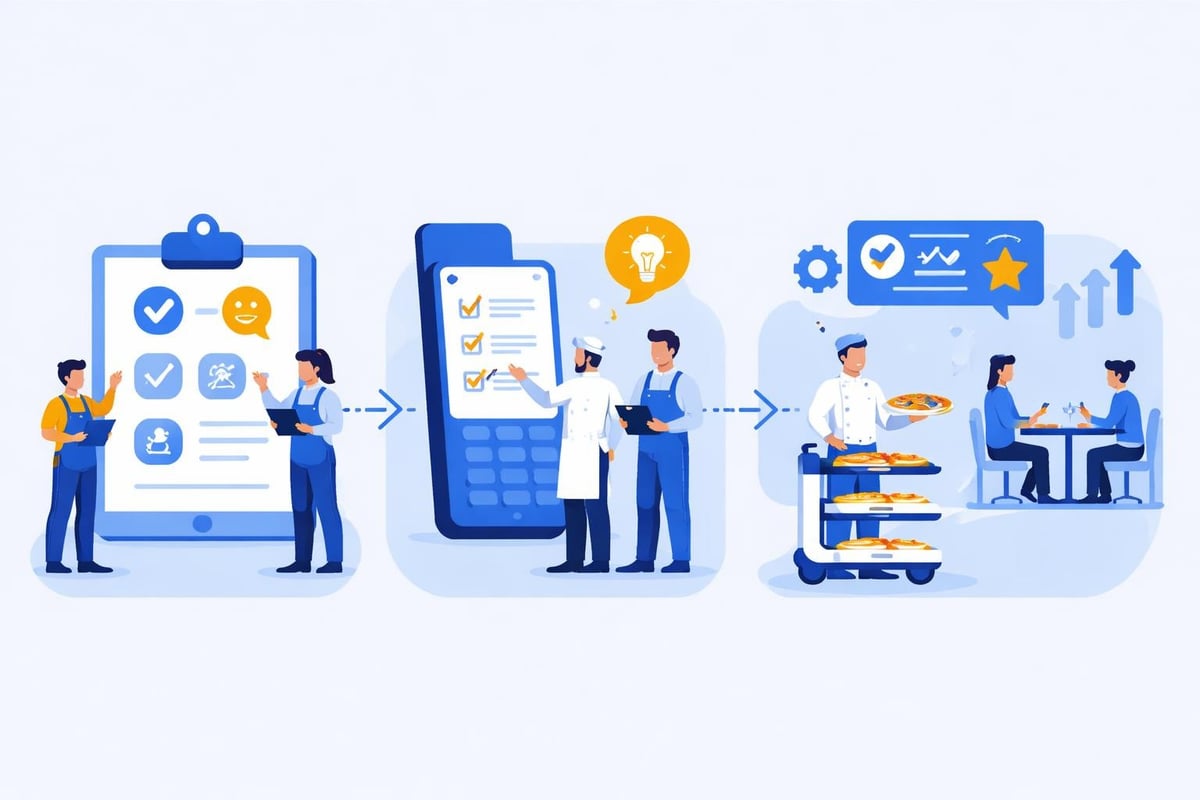
Regular feedback sessions during the first 90 days of implementation help identify usability issues and process gaps. Restaurant smart operators treat technology adoption as an ongoing journey rather than a one-time project.
Mobile Technology and Remote Management
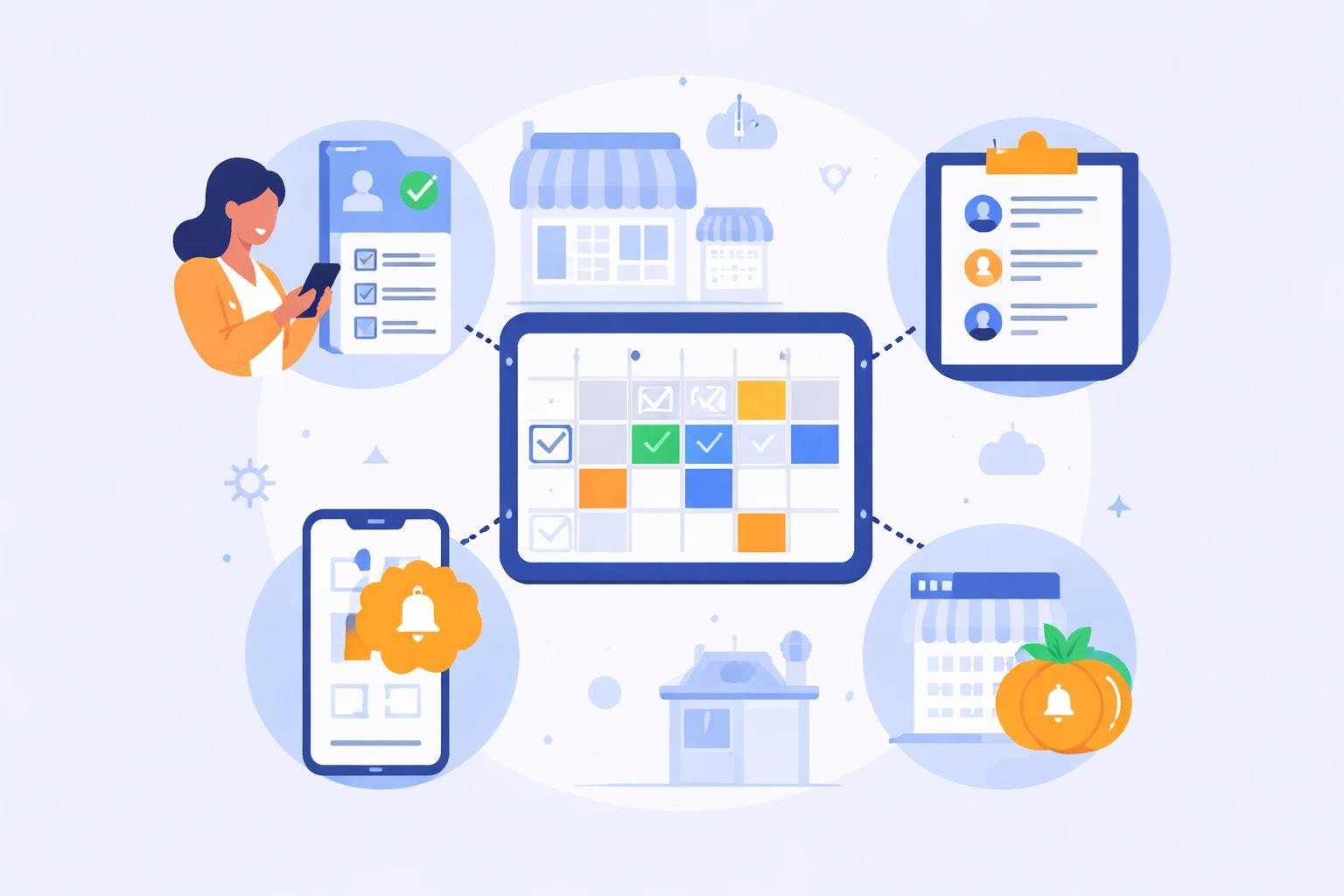
Restaurant smart platforms increasingly emphasize mobile-first design, recognizing that managers and staff need access to information and functionality regardless of location. Mobile applications enable schedule management, time tracking, communication, and even basic reporting from any device.
Manager Mobile Applications
Modern restaurant managers spend minimal time behind desks, making mobile access to critical systems essential. Restaurant smart mobile apps provide real-time visibility into operations, allowing managers to monitor labor costs, review sales, approve time-off requests, and communicate with staff from anywhere.
Push notifications alert managers to exceptions requiring attention, such as employees approaching overtime, unexpected sales surges, or inventory items falling below par levels. This immediate awareness enables faster response times and better decision-making.
Employee Self-Service Features
Empowering employees with self-service capabilities reduces administrative burden while improving satisfaction. Restaurant smart mobile apps allow staff to view schedules, request time off, swap shifts, clock in/out, and communicate with teammates without manager intervention for routine tasks.
This transparency and autonomy particularly appeal to younger workers who expect mobile-first experiences in all aspects of life. Restaurants that provide sophisticated mobile tools enjoy recruitment and retention advantages in competitive labor markets.
Security and Compliance in Restaurant Smart Systems
As restaurants become increasingly dependent on technology, security and compliance considerations grow more critical. Restaurant smart platforms must protect sensitive employee and customer data while maintaining compliance with labor laws, payment card industry standards, and data protection regulations.
Data Protection and Privacy
Cloud-based restaurant smart platforms store vast amounts of sensitive information, from employee social security numbers to customer payment details. Reputable providers implement enterprise-grade security measures including encryption, regular security audits, and compliance certifications.
Essential security features include:
End-to-end data encryption
Role-based access controls
Multi-factor authentication
Regular automated backups
Compliance with PCI-DSS standards
Labor Law Compliance Automation
Restaurant labor laws vary significantly by jurisdiction, creating compliance challenges for multi-location operators. Restaurant smart scheduling platforms automatically enforce break requirements, minor work restrictions, overtime rules, and other regulations specific to each location.
This automation reduces legal risk while eliminating the burden of manually tracking complex regulations. Audit trails provide documentation demonstrating compliance efforts in case of disputes or investigations.
Integration Ecosystems and Platform Selection
No single platform provides every capability needed for comprehensive restaurant smart operations. Successful implementations rely on ecosystems of specialized tools that integrate through application programming interfaces (APIs) to share data seamlessly.
Evaluating Integration Capabilities
When selecting restaurant smart platforms, integration capabilities should weigh as heavily as feature sets. Systems that operate in isolation create data silos and duplicate entry requirements that undermine efficiency gains.
Integration Type | Business Value | Examples |
|---|---|---|
POS Integration | Unified sales and labor data | Sales forecasting for scheduling |
Payroll Integration | Automated timesheet export | Error reduction and time savings |
Accounting Integration | Real-time financial visibility | Daily sales reconciliation |
Third-Party Ordering | Centralized order management | DoorDash, Uber Eats integration |
Open Architecture vs. Closed Systems
Restaurant smart operators increasingly favor open architecture platforms that support numerous integrations over closed systems that require using a single vendor's full suite. This flexibility allows selecting best-of-breed solutions for each operational area while maintaining data connectivity.
Those interested in open-source employee scheduling options can explore platforms that offer customization capabilities and integration flexibility beyond proprietary systems.
Return on Investment and Cost Justification
Restaurant smart technology requires upfront investment that must be justified through measurable returns. Fortunately, modern platforms typically deliver positive ROI within 6-12 months through multiple value streams.
Quantifiable Benefits
The most straightforward returns come from labor cost reduction through optimized scheduling, elimination of time theft, and reduced overtime. Restaurants typically see 2-5% reductions in labor costs-substantial savings given that labor represents 25-35% of revenue.
Additional quantifiable benefits include reduced food waste, lower inventory carrying costs, decreased turnover and training expenses, and improved table turnover rates. When aggregated, these savings typically exceed technology costs multiple times over.
Competitive Positioning Value
Beyond direct cost savings, restaurant smart technology provides strategic advantages that compound over time. Superior employee experiences attract better talent and reduce turnover. Enhanced customer experiences drive repeat visits and positive reviews. Data-driven decision-making enables faster adaptation to market changes.
These positioning advantages become increasingly valuable as technology adoption becomes universal rather than exceptional. Restaurants that delay implementation risk falling behind competitors who leverage restaurant smart capabilities for continuous improvement.
Restaurant smart technology has evolved from a competitive advantage to an operational necessity in 2026, enabling restaurants to optimize labor costs, reduce waste, and enhance both employee and customer experiences. The integrated platforms available today provide unprecedented visibility and control across all aspects of restaurant operations. Heybegin offers comprehensive scheduling and time tracking solutions specifically designed for restaurants, cafes, pubs, and service industries, helping operators reduce labor costs and improve efficiency through automated timesheets, real-time hour tracking, and intelligent scheduling tools that make becoming restaurant smart accessible and affordable.