Rota Scheduling Software: A Complete Guide for 2026
Discover how rota scheduling software transforms workforce management in restaurants and service industries. Learn features, benefits, and implementation.
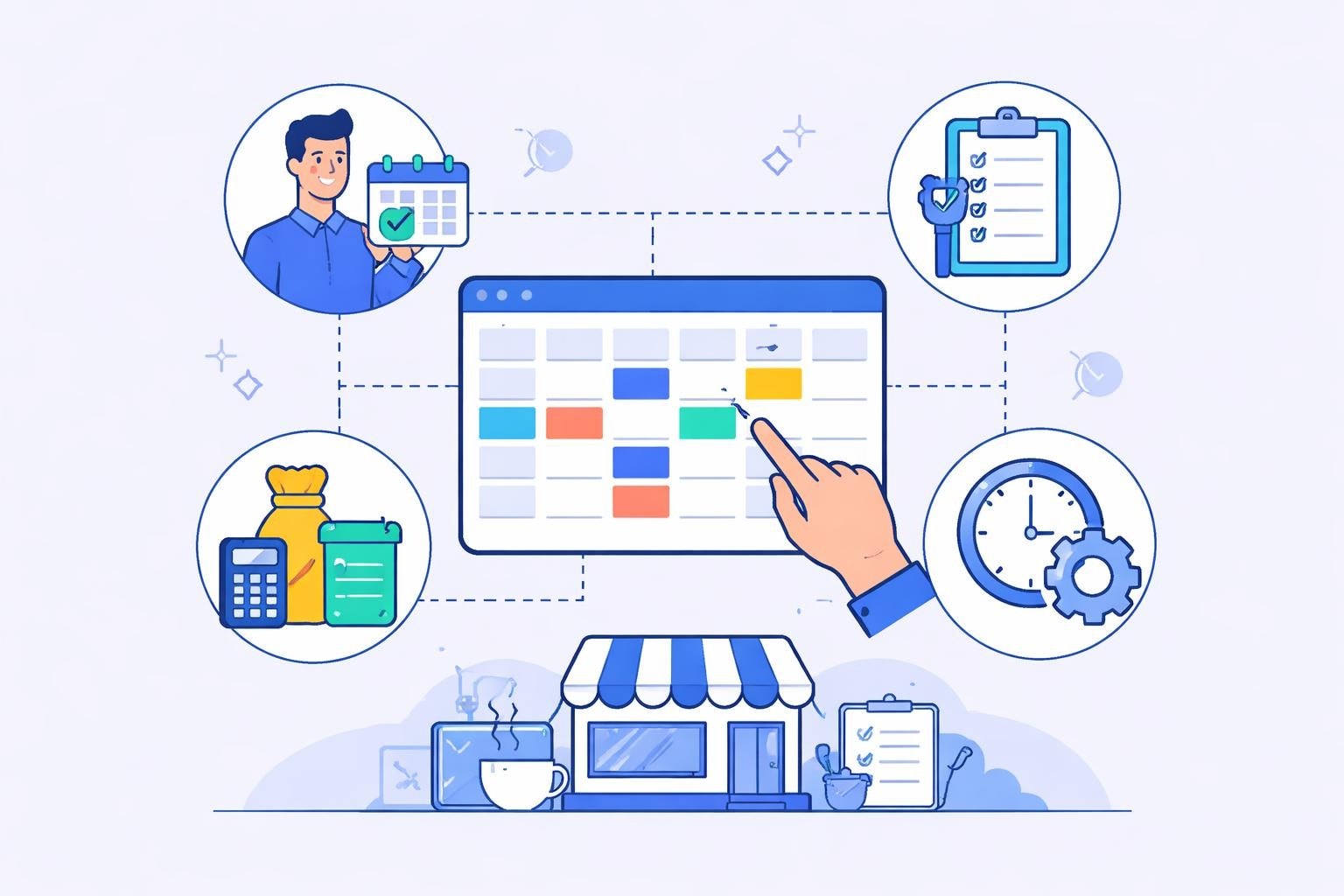
Managing employee schedules in restaurants, cafes, and service-based businesses has evolved dramatically over the past decade. What once required spreadsheets, whiteboards, and countless phone calls now happens seamlessly through digital platforms. Rota scheduling software has become an essential tool for businesses looking to optimize labor costs, reduce scheduling conflicts, and improve employee satisfaction while maintaining operational efficiency.
Understanding Rota Scheduling Software and Its Core Functions
Rota scheduling software is a digital solution designed to automate and streamline the process of creating, managing, and distributing employee work schedules. Unlike traditional manual methods, these platforms offer intelligent features that consider employee availability, business requirements, labor laws, and historical data to generate optimal shift patterns.
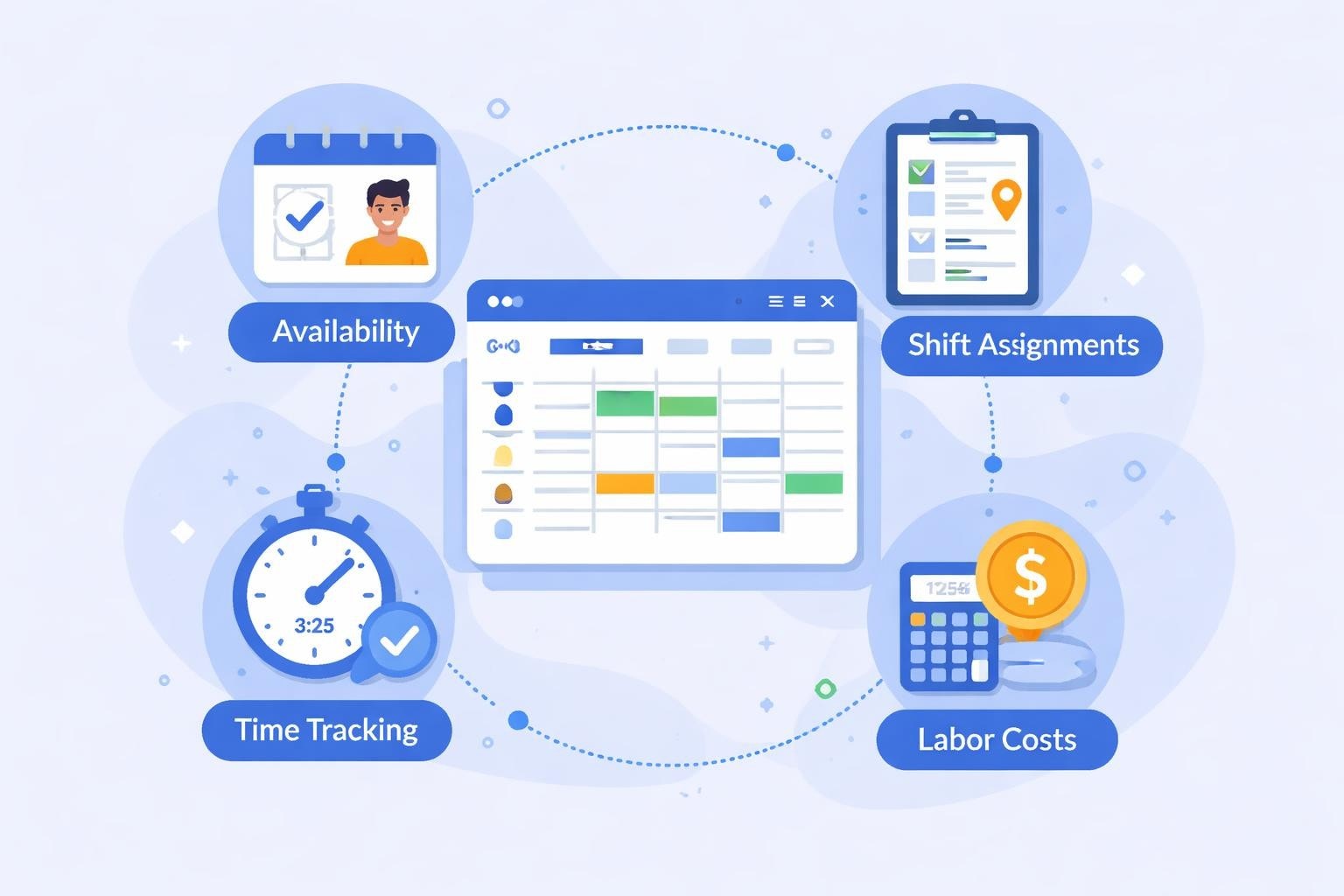
The software serves multiple critical functions beyond simple schedule creation. Time tracking, shift swapping, labor cost forecasting, and compliance management all integrate into a single ecosystem. For restaurants and hospitality businesses, where staffing needs fluctuate based on customer demand, these capabilities prove invaluable.
Modern platforms have evolved to include mobile accessibility, real-time notifications, and automated communication features. Employees can view their schedules instantly, request time off, and swap shifts without manager intervention, significantly reducing administrative overhead.

Key Features That Define Effective Scheduling Solutions
The most powerful rota scheduling software includes several distinctive features that separate basic tools from comprehensive workforce management solutions:
Automated schedule generation based on business rules and employee preferences
Real-time availability tracking to prevent scheduling conflicts
Labor cost calculation with budget alerts and overtime warnings
Mobile applications for both managers and staff members
Integration capabilities with payroll, POS, and HR systems
Compliance monitoring for labor laws and break requirements
Shift marketplace functionality for internal staff coverage
Forecasting tools that predict staffing needs based on historical patterns
These features work together to create a seamless scheduling ecosystem. When implemented correctly, they eliminate common pain points like last-minute callouts, overstaffing during slow periods, and understaffing during peak times.
The Business Impact of Digital Scheduling Solutions
Implementing rota scheduling software delivers measurable benefits that directly impact the bottom line. Industry research shows that businesses adopting these systems typically reduce scheduling time by 70-80%, allowing managers to focus on customer service and operational improvements rather than administrative tasks.
Labor costs represent one of the largest expenses for service businesses, often accounting for 25-35% of total revenue. Understanding labor costs for restaurants becomes significantly easier when scheduling software provides real-time insights into hours worked, overtime accumulation, and staffing ratios.
Quantifiable Benefits Across Operations
Benefit Category | Average Impact | Time Frame |
|---|---|---|
Scheduling Time Reduction | 70-80% | Immediate |
Labor Cost Savings | 3-5% | 3-6 months |
Scheduling Errors | 90% reduction | 1-2 months |
Employee Satisfaction | 15-25% improvement | 6-12 months |
Administrative Hours | 8-12 hours saved weekly | Immediate |
Beyond these metrics, businesses experience improved employee retention when staff members have greater control over their schedules. The ability to request specific shifts, view schedules weeks in advance, and implement shift swapping functionality creates a more flexible work environment that modern employees expect.
Communication improvements also rank among the most significant benefits. Automated notifications replace phone calls and text messages, ensuring every team member receives schedule updates instantly. This transparency reduces no-shows and late arrivals while creating accountability throughout the organization.
Implementing Rota Scheduling Software in Service Industries
Successful implementation requires careful planning and a structured approach. Many businesses make the mistake of choosing software based solely on features rather than considering their specific operational needs, team size, and existing workflows.
The first step involves assessing current scheduling challenges and identifying specific pain points. Are last-minute callouts causing service disruptions? Do managers spend excessive time creating schedules? Is overtime spiraling out of control? Each problem requires different software capabilities to solve effectively.
A Step-by-Step Implementation Process
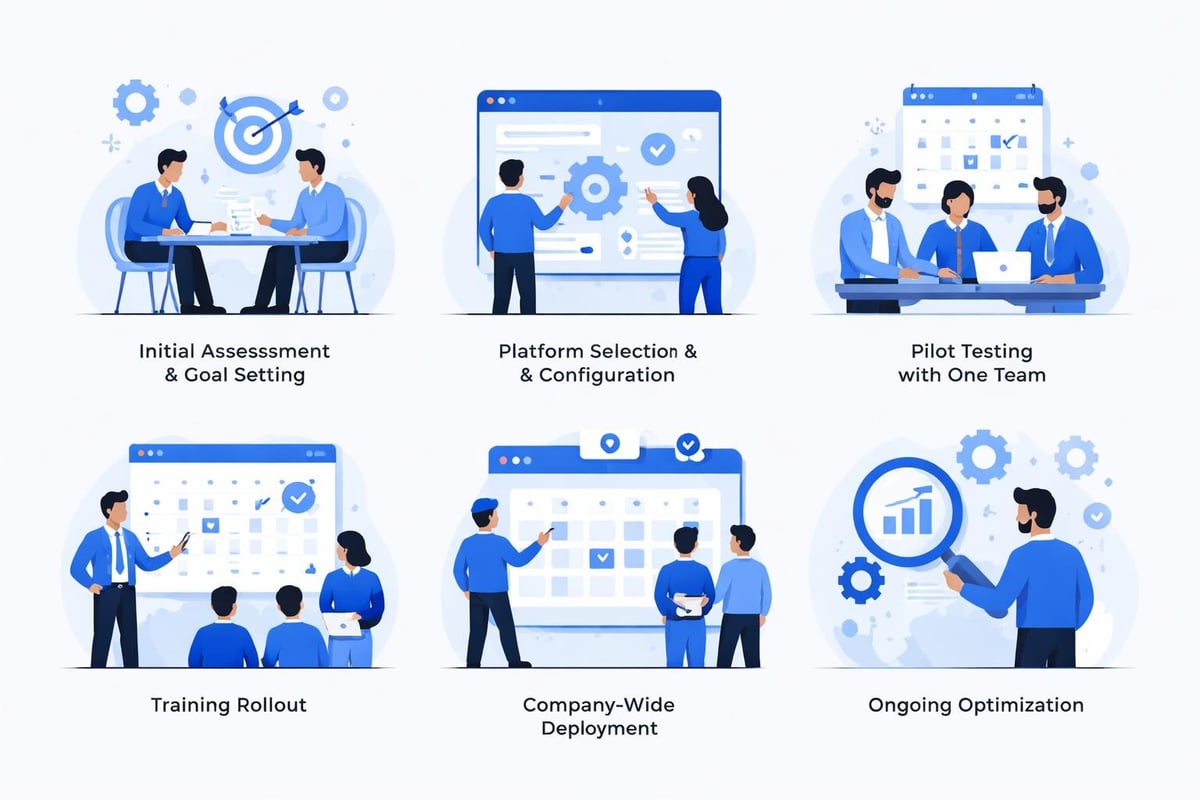
Audit existing scheduling processes and document current time investment
Define specific goals and success metrics for the new system
Research and evaluate platforms that specialize in service industry needs
Conduct a pilot program with one location or department
Gather feedback from both managers and employees during the trial
Adjust configuration and settings based on real-world usage
Roll out company-wide with comprehensive training for all users
Monitor performance metrics against baseline measurements
Iterate and optimize based on ongoing usage patterns
This methodical approach ensures smooth adoption and maximizes return on investment. Creating the perfect staff rota becomes significantly easier when teams understand both the software capabilities and the scheduling principles that drive effective workforce management.
Training represents a critical success factor that many businesses underestimate. While modern platforms prioritize user-friendly interfaces, employees still need guidance on features like availability submission, shift trades, and time-off requests. Managers require deeper training on schedule creation, labor forecasting, and reporting functions.
Advanced Capabilities Transforming Workforce Management
The evolution of rota scheduling software continues accelerating with emerging technologies that enhance decision-making capabilities. Artificial intelligence and machine learning now power features that were impossible just a few years ago.
Demand forecasting has become particularly sophisticated, with platforms analyzing historical sales data, weather patterns, local events, and seasonal trends to predict optimal staffing levels. AI demand forecasting helps businesses align labor investment with actual customer demand, eliminating costly overstaffing while maintaining service quality during busy periods.
Intelligent Automation Features
Predictive analytics extend beyond basic forecasting to provide actionable insights. The software identifies patterns in employee performance, attendance reliability, and skill utilization that inform better scheduling decisions. For example, the system might recognize that certain server combinations generate higher sales or that specific shift patterns correlate with reduced errors.
Advanced platforms automatically detect scheduling conflicts before publication
Smart algorithms suggest optimal shift coverage based on multiple variables
Automated compliance checks flag potential labor law violations
Intelligent shift suggestions match employee skills with business needs
Predictive overtime alerts prevent budget overruns
Integration capabilities have expanded significantly, allowing rota scheduling software to connect with point-of-sale systems, payroll providers, accounting software, and human resources platforms. This connectivity eliminates duplicate data entry and ensures information flows seamlessly between systems.
Addressing Common Scheduling Challenges With Technology
Every service business faces recurring scheduling obstacles that drain time and create friction. Solving common rota problems becomes simpler when technology addresses root causes rather than symptoms.
Last-minute callouts represent one of the most disruptive challenges. Traditional approaches require managers to frantically contact off-duty employees, often outside business hours, to find coverage. Modern rota scheduling software flips this process by allowing employees to claim open shifts through a shift marketplace or automated notification system.
Practical Solutions for Recurring Issues
Challenge | Traditional Approach | Software Solution |
|---|---|---|
Last-minute callouts | Manual phone calls to find coverage | Automated shift marketplace notifications |
Overstaffing/understaffing | Gut feeling and static schedules | AI-powered demand forecasting |
Shift preference conflicts | Manager arbitration | Fair rotation algorithms |
Overtime budget overruns | Manual tracking and estimates | Real-time alerts and automatic limits |
Compliance violations | Post-facto audits | Proactive rule enforcement |
Fairness in shift distribution often causes tension among team members. Some employees consistently receive preferred shifts while others work less desirable times. Rota scheduling software eliminates favoritism through transparent algorithms that rotate premium shifts fairly while respecting seniority, performance metrics, or other defined criteria.
Communication breakdowns contribute to scheduling chaos, particularly in multi-location operations. When managers make schedule changes without notifying affected employees, confusion and frustration result. Automated push notifications ensure instant communication, creating an audit trail that documents when information was sent and received.
Building fair and efficient staff rotas requires balancing competing priorities: business needs, employee preferences, labor costs, and service quality. Software excels at this multidimensional optimization, considering factors that would overwhelm manual planning.
Mobile Technology and Employee Empowerment
The shift toward mobile-first platforms has fundamentally changed how employees interact with their schedules. Rather than checking printed rotas posted in break rooms, staff members access real-time information through smartphone applications wherever they are.
This accessibility creates significant advantages for both employers and employees. Workers gain greater control over their work-life balance through self-service features that reduce dependence on managers for routine requests. Managers benefit from reduced administrative inquiries and faster resolution of scheduling gaps.
Mobile App Capabilities That Matter
Modern mobile applications extend well beyond simple schedule viewing. Employees use these tools to clock in and out with GPS verification, submit availability changes weeks in advance, request time off with automatic approval workflows, and communicate directly with managers about schedule concerns.
The convenience factor cannot be overstated. When employees can swap shifts through a mobile app rather than coordinating manually with coworkers and obtaining manager approval, the entire process becomes frictionless. Exploring open source employee scheduling options reveals that even budget-conscious businesses now have access to mobile capabilities that were once exclusive to enterprise platforms.
Notification preferences allow customization based on individual needs. Some employees want immediate alerts for schedule changes, while others prefer daily summaries. Push notifications ensure critical information reaches team members instantly, whether announcing last-minute shift opportunities or confirming approved time-off requests.

Specialized Solutions for Different Service Industries
While the core functionality of rota scheduling software remains consistent across sectors, different service industries have unique requirements that specialized platforms address more effectively. Restaurants face distinct challenges compared to retail stores, healthcare facilities, or hospitality venues.
Restaurant-specific features include position-based scheduling that accounts for front-of-house versus back-of-house roles, tip pool management integration, and coordination between kitchen staff and servers. Many platforms offer reservation system integration that adjusts staffing recommendations based on booking volume.
Cafes and coffee shops typically operate with smaller teams but experience dramatic fluctuations in customer traffic throughout the day. Peak periods during morning rush and lunch hours require different staffing than mid-afternoon lulls. Scheduling software designed for these environments emphasizes flexibility and quick schedule adjustments.
Industry-Specific Considerations
The pub and bar industry presents unique challenges with late-night operations, alcohol service compliance, and security staffing requirements. Effective rota scheduling software for these businesses includes features for managing door staff, bartender certifications, and responsible service regulations.
Catering businesses require project-based scheduling that differs from fixed-location operations. Events happen at various venues with different staffing needs, making traditional weekly schedules less relevant. Software for caterers emphasizes event-specific crew assignments and equipment tracking alongside labor scheduling.
Tips for creating effective staff rotas highlight universal principles, but the specific application varies considerably across service sectors. Understanding these nuances helps businesses select platforms optimized for their operational reality rather than generic solutions that require excessive customization.
Future Trends Shaping Scheduling Technology
The landscape of workforce management continues evolving rapidly, with several emerging trends poised to reshape how businesses approach employee scheduling over the next few years. Staying informed about these developments helps organizations make technology investments that remain relevant long-term.
Employee-led scheduling represents a significant philosophical shift from traditional top-down approaches. Rather than managers creating schedules and employees accepting assignments, these systems allow staff members to claim available shifts based on their preferences and availability. This marketplace model works particularly well for businesses with large part-time workforces.
Predictive analytics capabilities continue advancing, moving beyond simple demand forecasting to comprehensive workforce optimization. Future platforms will recommend not just how many employees to schedule but specifically which individuals based on their skills, performance history, and development needs.
Emerging Technologies and Methodologies
Blockchain technology may eventually transform how scheduling data is stored and verified, creating immutable records of hours worked and shift assignments. This advancement could streamline payroll disputes and provide indisputable attendance documentation.
Voice-activated interfaces represent another frontier, allowing managers to create or modify schedules through natural language commands. "Schedule Sarah for Thursday evening" could automatically assign the appropriate shift while checking availability and compliance rules.
Understanding the definitive guide to employee scheduling reveals how sophisticated algorithms now handle complexity that previously required experienced schedulers. As these systems incorporate more machine learning, they'll identify optimization opportunities that human planners might miss.
Integration depth will expand beyond current capabilities, with scheduling platforms becoming central hubs that orchestrate data flow between all business systems. Rather than point-to-point integrations, future architectures will enable seamless information sharing across the entire technology ecosystem.
Measuring Success and ROI From Scheduling Software
Implementing rota scheduling software represents a significant investment of both financial resources and organizational effort. Measuring return on investment ensures the platform delivers promised value and justifies ongoing subscription costs.
Time savings provide the most immediate and visible benefit. Calculate hours previously spent on scheduling tasks, multiply by relevant labor rates, and compare against software costs. Most businesses achieve positive ROI within the first few months based solely on administrative time reduction.
Labor cost optimization delivers more substantial long-term value. Track overtime hours, overstaffing incidents, and understaffing situations before and after implementation. Even small improvements in these areas generate significant savings that compound over time.
Key Performance Indicators to Monitor
Average time to create weekly schedules (target: 70-80% reduction)
Schedule change frequency (target: 50% reduction in last-minute modifications)
Employee satisfaction scores related to scheduling (target: 20% improvement)
Labor cost as percentage of revenue (target: 2-3% reduction)
Overtime hours worked (target: 30-40% reduction)
Schedule-related employee inquiries (target: 60% reduction)
Time-off request processing time (target: 90% reduction)
Shift coverage fill rate for callouts (target: 80% automated coverage)
Employee retention metrics provide another valuable perspective on software effectiveness. When scheduling becomes more transparent, fair, and flexible, turnover rates typically decline. Calculate the cost of recruiting and training replacement employees to understand the financial impact of improved retention.
Compliance improvements reduce risk exposure that's difficult to quantify but potentially very costly. Avoiding even a single labor law violation or workplace injury related to inadequate staffing can justify years of software investment.
Selecting the Right Platform for Your Business
The market offers dozens of rota scheduling software options, ranging from simple tools with basic functionality to comprehensive workforce management suites. Making the right selection requires careful evaluation of business needs, budget constraints, and growth plans.
Start by defining must-have features versus nice-to-have capabilities. A small cafe with ten employees needs different functionality than a restaurant group managing hundreds of workers across multiple locations. Avoid paying for enterprise features that small teams will never use.
Trial periods provide essential hands-on experience before commitment. Most reputable vendors offer 14-30 day trials that allow real-world testing with actual scheduling scenarios. Involve both managers and employees in the evaluation process to gather diverse perspectives on usability and functionality.
Evaluation Criteria for Platform Selection
Criterion | Questions to Ask | Weight |
|---|---|---|
Core Functionality | Does it handle our specific scheduling needs? | Critical |
Ease of Use | Can our team learn it quickly without extensive training? | High |
Mobile Experience | Is the app intuitive for employees? | High |
Integration Options | Does it connect with our existing systems? | Medium |
Pricing Structure | Are costs predictable and scalable? | High |
Customer Support | What assistance is available during implementation? | Medium |
Reporting Capabilities | Does it provide the insights we need? | Medium |
Scalability | Can it grow with our business? | Medium |
Vendor reputation and longevity matter more than many buyers realize. Scheduling software becomes deeply embedded in operations, making platform changes disruptive and expensive. Choose established providers with track records of continuous improvement and strong customer support.
Pricing models vary considerably between providers. Some charge per employee per month, while others use flat rates for unlimited users. Calculate total cost of ownership over multiple years, accounting for growth in staff size and potential additional feature requirements.
Effective workforce management in service industries depends on having the right tools to match labor investment with customer demand while respecting employee needs and maintaining budget discipline. Modern rota scheduling software addresses these challenges through intelligent automation, mobile accessibility, and data-driven insights that transform scheduling from an administrative burden into a strategic advantage. Heybegin delivers these capabilities specifically for restaurants, cafes, pubs, and service businesses, combining smart scheduling, real-time tracking, and automated timesheets in a platform designed to reduce labor costs and improve operational efficiency. Discover how the right scheduling solution can transform your workforce management today.