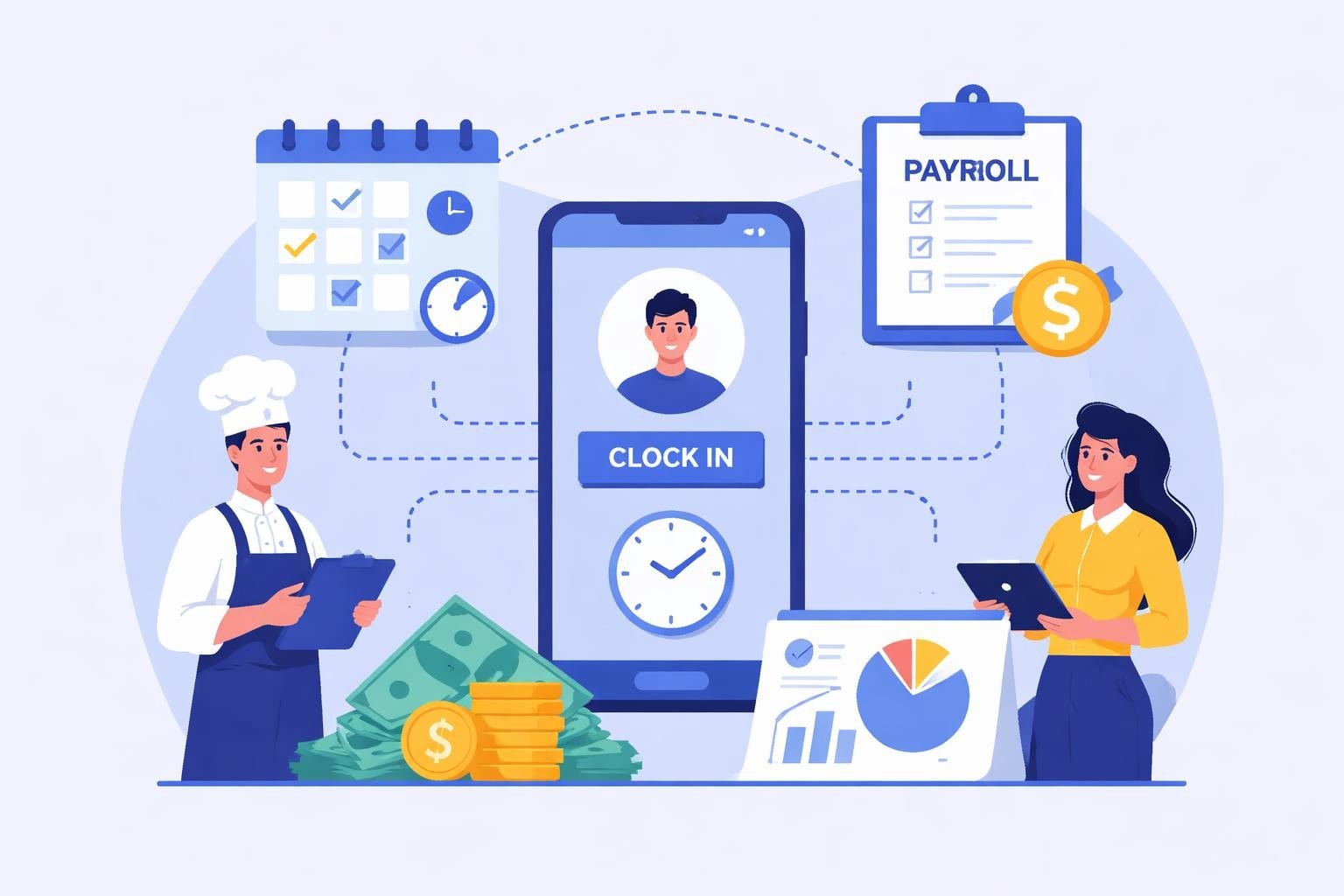
Software Restaurant: Modern Solutions for Service Industry
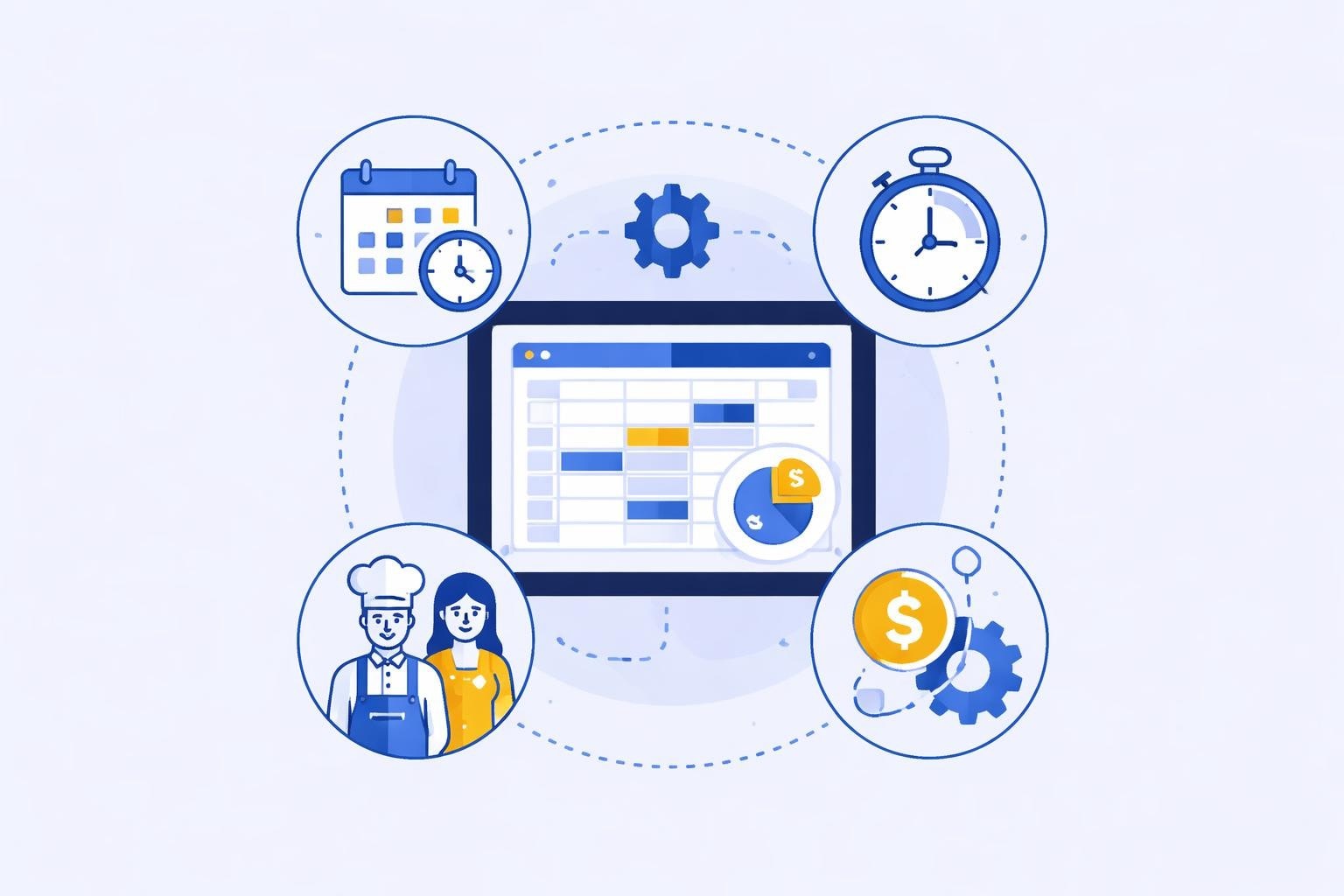
Discover how software restaurant solutions transform scheduling, labor costs, and operations for cafes, pubs, and dining establishments in 2026.
The restaurant industry has undergone a remarkable digital transformation over the past decade, with technology becoming essential for survival and growth. Modern software restaurant solutions have evolved from simple point-of-sale systems to comprehensive platforms that manage every aspect of operations, from employee scheduling to inventory tracking. As labor costs continue to rise and staffing challenges persist in 2026, restaurant owners and managers are turning to sophisticated software systems that streamline workflows, optimize labor allocation, and provide real-time insights into business performance. This shift toward digital management tools isn't just about keeping up with trends-it's about staying competitive in an industry where margins are tight and operational efficiency directly impacts profitability.
The Evolution of Restaurant Management Technology
The restaurant technology landscape has transformed dramatically from the paper-based systems of the past. Early software restaurant implementations focused primarily on processing transactions, but today's solutions encompass workforce management, customer relationship tools, and predictive analytics that inform strategic decisions.
Cloud-based platforms have become the standard, replacing on-premise servers that required significant upfront investment and ongoing IT support. According to emerging trends in restaurant management software, the industry is witnessing a shift toward mobile-first interfaces and AI-driven insights that help operators make smarter decisions faster.
The restaurant management software market is projected to grow by $4.50 billion from 2023 to 2027, driven by the expansion of the foodservice industry and increasing adoption of integrated digital solutions. This growth reflects the critical role technology plays in modern restaurant operations.
Integration as a Competitive Advantage
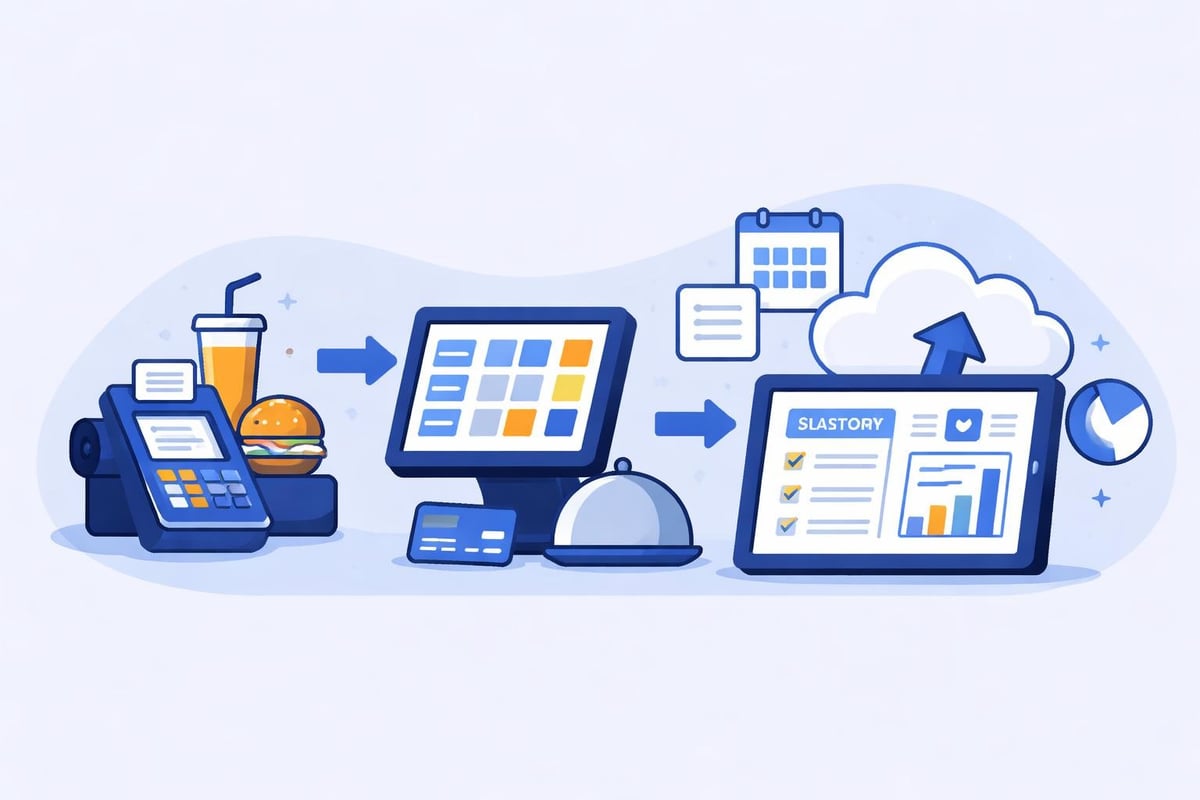
Modern software restaurant systems don't operate in isolation. The most effective platforms integrate seamlessly with existing tools, creating a cohesive ecosystem that eliminates data silos and reduces manual data entry.
Key integration capabilities include:
Payment processing and POS systems
Accounting and financial reporting software
Inventory management platforms
Customer loyalty programs
Third-party delivery services
Payroll systems
These integrations ensure that information flows automatically between systems, reducing errors and freeing managers to focus on customer service and team development rather than administrative tasks.
Workforce Management: The Heart of Software Restaurant Solutions
Labor represents the largest controllable expense for most restaurants, typically accounting for 25-35% of total revenue. Effective workforce management through software restaurant platforms directly impacts profitability by optimizing scheduling, preventing time theft, and ensuring compliance with labor regulations.
Understanding labor costs for restaurants requires more than tracking hours worked. Modern solutions provide visibility into labor cost percentages in real-time, allowing managers to make adjustments before they impact the bottom line. This proactive approach transforms labor from a fixed expense into a strategic variable that can be optimized continuously.
Smart Scheduling Features
Traditional scheduling methods-spreadsheets, whiteboards, or paper schedules-create inefficiencies that waste management time and frustrate employees. Software restaurant scheduling tools address these challenges through automation and intelligence.
Traditional Scheduling | Software Restaurant Scheduling |
|---|---|
Manual shift creation taking hours weekly | Automated schedule generation in minutes |
Printed schedules requiring physical access | Mobile access from anywhere, anytime |
No overtime alerts or cost tracking | Real-time labor cost calculations and alerts |
Reactive shift coverage | Proactive availability management |
Paper trail for compliance | Digital audit trails and labor law compliance |
Scheduling for restaurants becomes significantly more efficient when leveraging features like demand forecasting, which uses historical sales data to predict staffing needs. This ensures adequate coverage during peak periods without overstaffing during slow times.
The best employee rota software empowers staff to swap shifts, request time off, and communicate availability through mobile apps. This self-service approach reduces the administrative burden on managers while giving employees greater control over their work-life balance.
Time Tracking and Accountability
Accurate time tracking forms the foundation of fair compensation and effective labor cost management. Software restaurant solutions have revolutionized how businesses record and verify employee hours, eliminating the buddy punching and time theft that plague manual systems.
Modern time tracking capabilities include:
Biometric or PIN-based clock-in systems that verify employee identity
GPS-enabled mobile punch for off-site catering or delivery staff
Automated break tracking ensuring compliance with labor laws
Real-time attendance monitoring alerting managers to no-shows or tardiness
Integrated timesheet approval workflows streamlining payroll processing
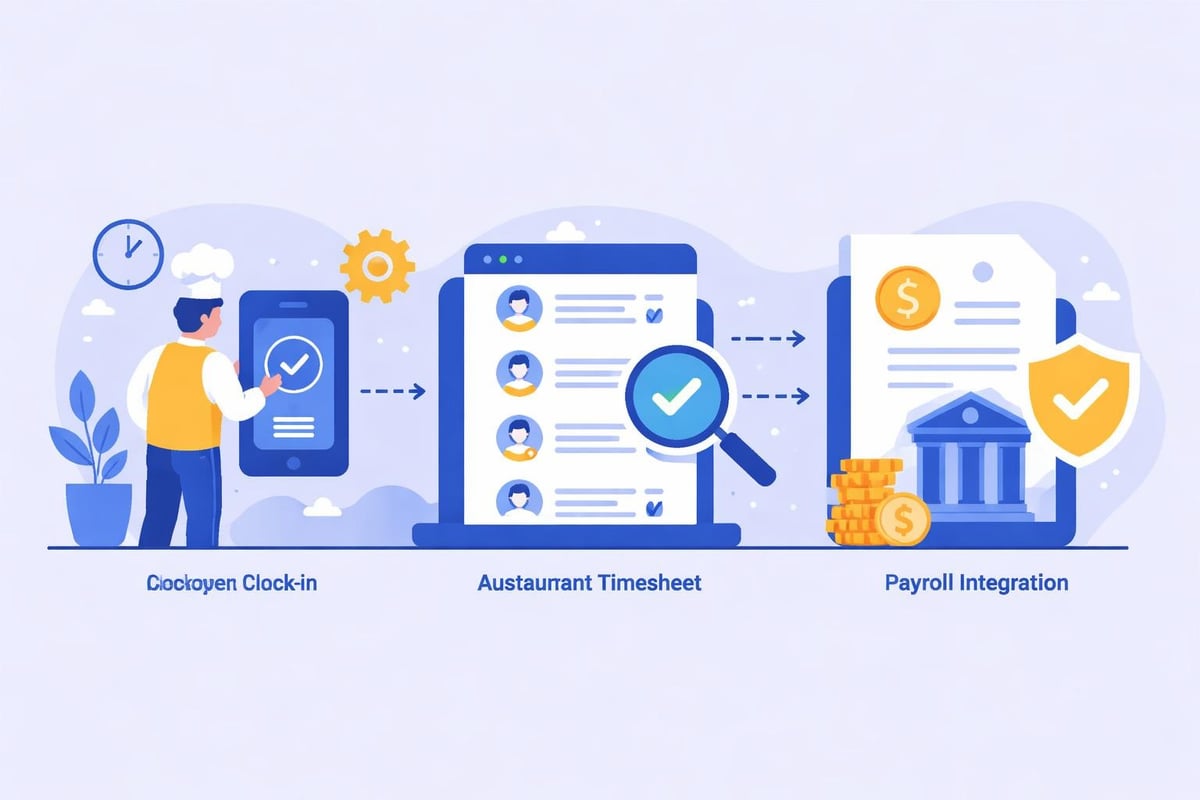
These features create accountability while reducing payroll errors that cost businesses thousands of dollars annually. When time data flows automatically from the clock-in system to payroll, manual timesheet preparation becomes obsolete.
Data-Driven Decision Making
The competitive advantage of software restaurant platforms extends beyond operational efficiency to strategic insights. Access to real-time data and analytics transforms how restaurant owners and managers make decisions about staffing, menu offerings, and business growth.
Analytics That Matter
Restaurant management software provides visibility into metrics that directly impact profitability. The features that maximize restaurant management software performance include automated financial reporting, real-time analytics, and trend identification tools that highlight opportunities for improvement.
Critical metrics tracked by software restaurant systems:
Labor cost percentage by day part, shift, and employee
Sales per labor hour indicating productivity
Schedule adherence measuring planned vs. actual hours
Overtime trends identifying scheduling inefficiencies
Employee turnover rates by position and location
This data enables managers to identify patterns invisible in manual record-keeping. For example, if labor cost percentage consistently spikes on Tuesday evenings, software can reveal whether the cause is overstaffing, low sales, or excessive overtime.
Forecasting and Planning
Predictive capabilities distinguish advanced software restaurant solutions from basic scheduling tools. By analyzing historical sales data, seasonal trends, and external factors like weather or local events, these systems forecast demand with increasing accuracy.
This forecasting directly informs labor planning, ensuring the right number of staff members with appropriate skills are scheduled for each shift. The result is improved customer service during busy periods and reduced labor waste during slow times.
Mobile Accessibility for Modern Teams
The workforce in 2026 expects mobile-first experiences in all aspects of life, including work. Software restaurant platforms that prioritize mobile accessibility gain significant advantages in recruitment, retention, and operational flexibility.
Mobile apps for employees provide:
Schedule access from smartphones, eliminating the need to visit the workplace to check shifts
Instant notifications about schedule changes, shift opportunities, or important updates
Simple shift swap requests with manager approval workflows
Direct communication channels with managers and coworkers
Digital access to pay stubs, tax documents, and time-off balances
For managers, mobile access means responding to staffing emergencies from anywhere, approving time-off requests during off-hours, and monitoring real-time labor costs without being chained to an office computer.
Compliance and Labor Law Management
Restaurant operators face a complex web of federal, state, and local labor regulations. Violations can result in costly penalties, lawsuits, and reputational damage. Software restaurant solutions help navigate this compliance landscape through built-in safeguards and automated tracking.
Compliance Challenge | Software Solution |
|---|---|
Overtime calculation errors | Automatic overtime alerts and calculations |
Break law violations | Mandatory break reminders and tracking |
Minor labor restrictions | Age-based scheduling rules enforcement |
Tip credit documentation | Digital tip reporting and allocation |
Predictive scheduling laws | Advance schedule posting and change tracking |
Record retention requirements | Automated digital record keeping |
The best practices for restaurant POS system investment emphasize leveraging integrated systems to ensure compliance while maximizing operational benefits. When scheduling software connects with POS and payroll systems, compliance becomes automatic rather than a constant concern.
Cost Reduction Through Optimization
The return on investment for software restaurant solutions becomes apparent quickly when examining specific cost reduction opportunities. While software subscriptions represent an ongoing expense, the savings generated through improved efficiency typically exceed costs within the first few months.
Primary cost reduction mechanisms:
Eliminating time theft through accurate clock-in systems saves 2-8% of labor costs
Reducing overtime through better scheduling decreases premium wage expenses
Optimizing labor allocation ensures appropriate staffing levels for demand
Streamlining administrative tasks frees managers for revenue-generating activities
Preventing compliance violations avoids penalties and legal expenses
Small improvements compound significantly over time. A restaurant spending $50,000 monthly on labor that reduces waste by just 5% through better scheduling saves $30,000 annually-far exceeding typical software costs while improving service quality.
Selecting the Right Software Restaurant Platform
Choosing appropriate software requires evaluating features, integration capabilities, scalability, and total cost of ownership. Not all solutions suit every operation, and the wrong choice can create more problems than it solves.
Essential Evaluation Criteria
When assessing software restaurant options, consider these factors:
Functional requirements should match your specific operational needs. A quick-service restaurant has different scheduling complexity than a fine dining establishment with specialized roles and variable service formats.
User experience determines adoption rates among both managers and staff. Intuitive interfaces with minimal training requirements ensure the software gets used effectively rather than becoming shelfware.
Integration capabilities with existing systems prevent data silos and ensure seamless information flow. Verify compatibility with your current POS, payroll, and accounting platforms before committing.
Scalability becomes critical for growing operations. Software that works for a single location may struggle with multi-unit management, requiring expensive platform changes during expansion.
Support and training resources help teams maximize software value. Look for vendors offering comprehensive onboarding, responsive customer service, and ongoing educational resources.
The software solutions that scale restaurant operations effectively prioritize integration, automation, and data accessibility while maintaining simplicity in daily use.
Implementation Best Practices
Successful software restaurant implementation requires planning, communication, and commitment to change management. Even the best platform fails without proper rollout and user adoption.
Phased Rollout Strategy
Implementing all features simultaneously overwhelms teams and increases failure risk. A phased approach allows for learning, adjustment, and gradual adoption.
Recommended implementation phases:
Foundation phase: Configure basic settings, import employee data, and establish initial schedules
Core functionality phase: Launch scheduling, time tracking, and essential features
Advanced features phase: Add analytics, forecasting, and optimization tools
Integration phase: Connect with POS, payroll, and other business systems
Refinement phase: Optimize workflows based on user feedback and usage patterns
Each phase should include training sessions, documentation distribution, and opportunities for questions and feedback. Champions within the team who embrace the new system can help support colleagues during the transition.
Training and Adoption Strategies
Technology only delivers value when people use it effectively. Comprehensive training programs ensure both managers and employees understand how to leverage software restaurant capabilities fully.
Manager training should cover:
Schedule creation and optimization techniques
Labor cost monitoring and analysis
Compliance feature utilization
Reporting and analytics interpretation
System administration and troubleshooting
Employee training focuses on:
Mobile app navigation and scheduling access
Clock-in procedures and break tracking
Shift swap and time-off request processes
Communication tools and notification settings
Creating quick reference guides, video tutorials, and ongoing support channels helps reinforce training and addresses questions that arise during daily use. The best practices in restaurant management software emphasize continuous improvement and regular training updates as the system evolves.
Future-Proofing Your Operations
The restaurant technology landscape continues evolving rapidly. Software restaurant platforms incorporating artificial intelligence and machine learning deliver increasingly sophisticated capabilities that were impossible just a few years ago.
The restaurant software market analysis highlights how AI integration enhances operational efficiency and customer experience. Forward-thinking operators choose platforms committed to innovation and continuous improvement.
Future capabilities on the horizon include:
Predictive staffing models that anticipate labor needs weeks in advance
Automated interview scheduling and onboarding workflows
Performance analytics identifying top performers and training opportunities
Integration with emerging payment technologies and delivery platforms
Voice-activated management tools for hands-free operation
Selecting a software restaurant partner with a clear innovation roadmap ensures your technology investment remains valuable as the industry evolves rather than becoming obsolete within a few years.
Measuring Success and ROI
Quantifying software restaurant platform impact validates the investment and identifies optimization opportunities. Establish baseline metrics before implementation to measure improvement accurately.
Key performance indicators to track:
Metric | Before Software | Target Improvement |
|---|---|---|
Time spent on scheduling | 8-12 hours weekly | 1-2 hours weekly |
Labor cost percentage | 32% of revenue | 28-30% of revenue |
Schedule adherence | 75% accuracy | 95%+ accuracy |
Overtime hours | 15% of total hours | Under 5% of total hours |
Time theft/buddy punching | Estimated 3-5% | Near zero |
Administrative cost per employee | $45 monthly | $15 monthly |
Regular reporting on these metrics demonstrates value to ownership while highlighting areas requiring additional attention or training. The market growth projections for restaurant management software reflect the significant ROI operators achieve through digital transformation.
Modern software restaurant platforms have become essential infrastructure for competitive foodservice operations in 2026. From optimizing labor costs and ensuring compliance to empowering employees with mobile access and data-driven insights, comprehensive management solutions deliver measurable returns while improving daily operations. Heybegin specializes in smart scheduling and time tracking designed specifically for restaurants, cafes, and pubs, helping service industry operators reduce labor costs, automate timesheets, and improve operational efficiency through real-time visibility and intelligent automation. Explore how the right platform transforms your workforce management and drives profitability.