Staff Time Tracking App: Complete Guide for 2026
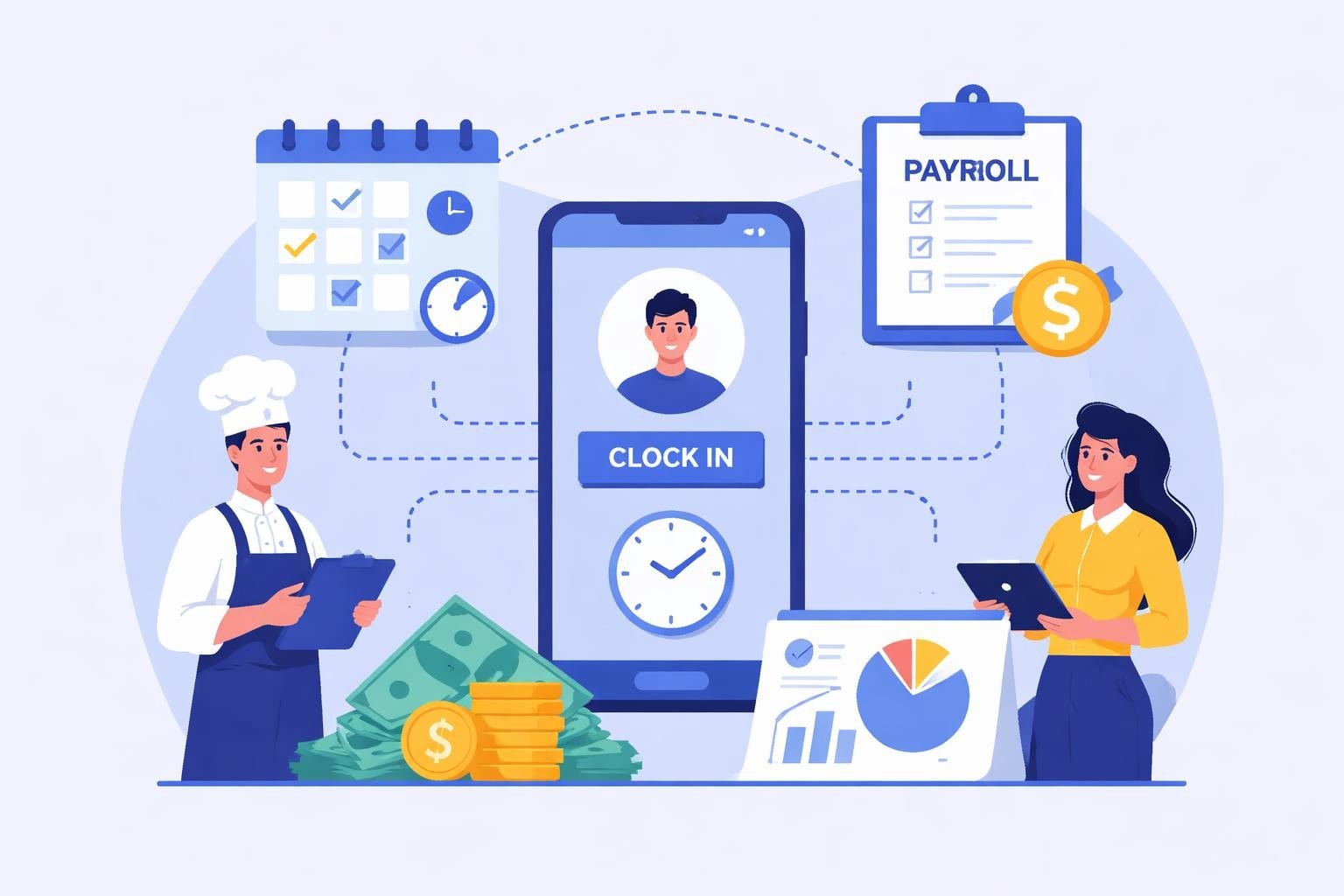
Discover how a staff time tracking app improves accuracy, reduces labor costs, and streamlines payroll for restaurants and service businesses in 2026.
Managing employee hours in restaurants, cafes, and service businesses requires precision, accountability, and efficiency. Traditional timekeeping methods like paper timesheets or punch cards create opportunities for errors, buddy punching, and administrative headaches that cost businesses thousands annually. A modern staff time tracking app transforms how service industry businesses manage their workforce, providing real-time visibility into labor costs while automating payroll processing and ensuring compliance with wage regulations.
Why Service Industry Businesses Need Digital Time Tracking
The restaurant and hospitality sectors face unique workforce challenges that make accurate time tracking essential. Multiple shifts, high turnover rates, and variable staffing needs create complexity that paper-based systems simply cannot handle effectively.
The Cost of Inaccurate Time Tracking
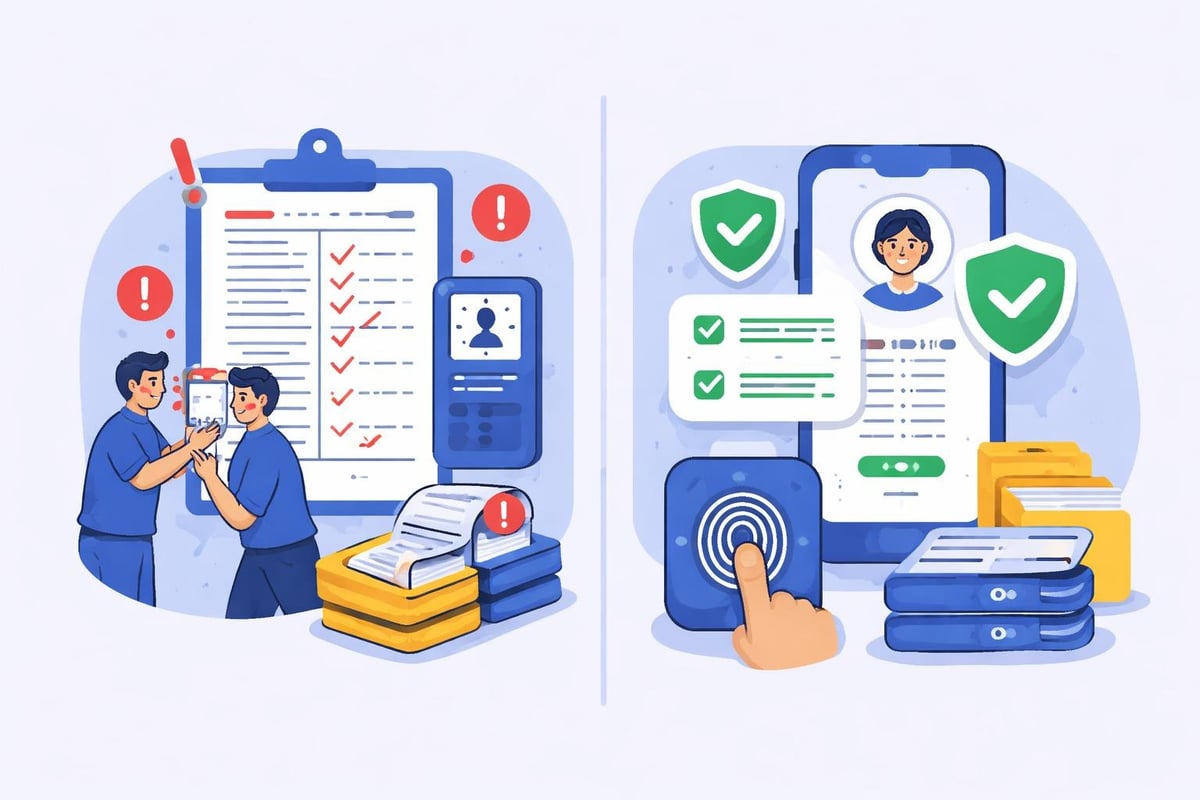
Manual timekeeping introduces numerous opportunities for costly errors. Employees may accidentally record incorrect hours, managers might misread handwritten timesheets, or administrative staff could make data entry mistakes when transferring information to payroll systems. These seemingly small errors compound over time, leading to significant financial losses.
Common problems with manual time tracking include:
Buddy punching where employees clock in for absent coworkers
Time theft through rounded hours or extended breaks
Payroll errors from illegible handwriting or calculation mistakes
Compliance violations from inadequate break documentation
Administrative burden consuming manager time better spent on operations
Studies show that businesses lose between 2-8% of their total payroll to time theft and timesheet errors. For a restaurant with $500,000 in annual labor costs, that represents $10,000 to $40,000 in preventable losses each year. Understanding labor costs for restaurants becomes significantly easier when you have accurate data from the start.
Essential Features of an Effective Staff Time Tracking App
Not all time tracking solutions deliver equal value for service industry businesses. The most effective platforms combine core timekeeping functionality with features specifically designed for restaurants, cafes, and hospitality operations.
Mobile Accessibility and Clock-In Options
Restaurant employees need flexible ways to record their hours that fit operational realities. A quality staff time tracking app provides multiple clock-in methods including mobile apps, tablet kiosks, and web-based options. This flexibility ensures employees can accurately track time whether they're working front-of-house, in the kitchen, or managing delivery operations.
Mobile functionality becomes particularly valuable for businesses with multiple locations or employees who work across different sites. Real-time staff availability tracking enables managers to make informed staffing decisions quickly, responding to unexpected absences or rush periods effectively.
GPS and Location Verification
Location-based tracking prevents time theft while providing valuable operational insights. GPS-enabled clock-ins verify that employees are physically present at the worksite when they start their shifts, eliminating remote punch-ins and buddy punching schemes.
This feature proves especially beneficial for catering companies, food trucks, or multi-location operations where employees work at varying sites. Managers gain confidence that labor costs align with actual work performed at specific locations.
Real-Time Reporting and Analytics
Immediate access to labor data empowers better decision-making throughout each shift. Real-time dashboards show current clock-ins, projected labor costs versus sales, and overtime risks before they become expensive problems.
Reporting Feature | Business Benefit | Use Case |
|---|---|---|
Live labor cost percentage | Budget control | Adjust staffing during slow periods |
Overtime alerts | Cost prevention | Redistribute hours before overtime triggers |
Attendance patterns | Scheduling optimization | Identify reliable employees for critical shifts |
Department breakdowns | Profitability analysis | Understand labor costs by revenue center |
These analytics transform raw timekeeping data into actionable intelligence that improves both operational efficiency and profitability. The benefits of employee time tracking extend far beyond simple payroll processing when managers leverage comprehensive reporting capabilities.
Streamlining Payroll and Compliance
Automated timesheet processing eliminates hours of administrative work while reducing errors that lead to employee dissatisfaction and potential legal issues. A sophisticated staff time tracking app integrates seamlessly with payroll systems, transferring verified hours directly without manual data entry.
Automated Timesheet Calculations
The software automatically calculates regular hours, overtime, double-time, and any special pay rates based on configurable rules. This automation ensures consistency while freeing managers from tedious calculations that historically consumed hours each pay period.
Key calculation features include:
Automatic overtime computation based on daily or weekly thresholds
Break deduction enforcement according to company policy
Shift differential calculations for evening or weekend work
Holiday pay rate applications
Custom pay rules for different employee classifications
Modern platforms also handle complex scenarios like employees who work multiple positions at different pay rates during a single shift, a common situation in restaurants where servers might also bartend or host.
Compliance and Labor Law Management
Staying compliant with federal, state, and local labor regulations requires meticulous record-keeping that manual systems struggle to maintain. A staff time tracking app automatically documents required break periods, maintains detailed work histories, and generates compliance reports when needed. According to employee time tracking software basics, proper documentation protects businesses during audits while ensuring fair treatment of employees.
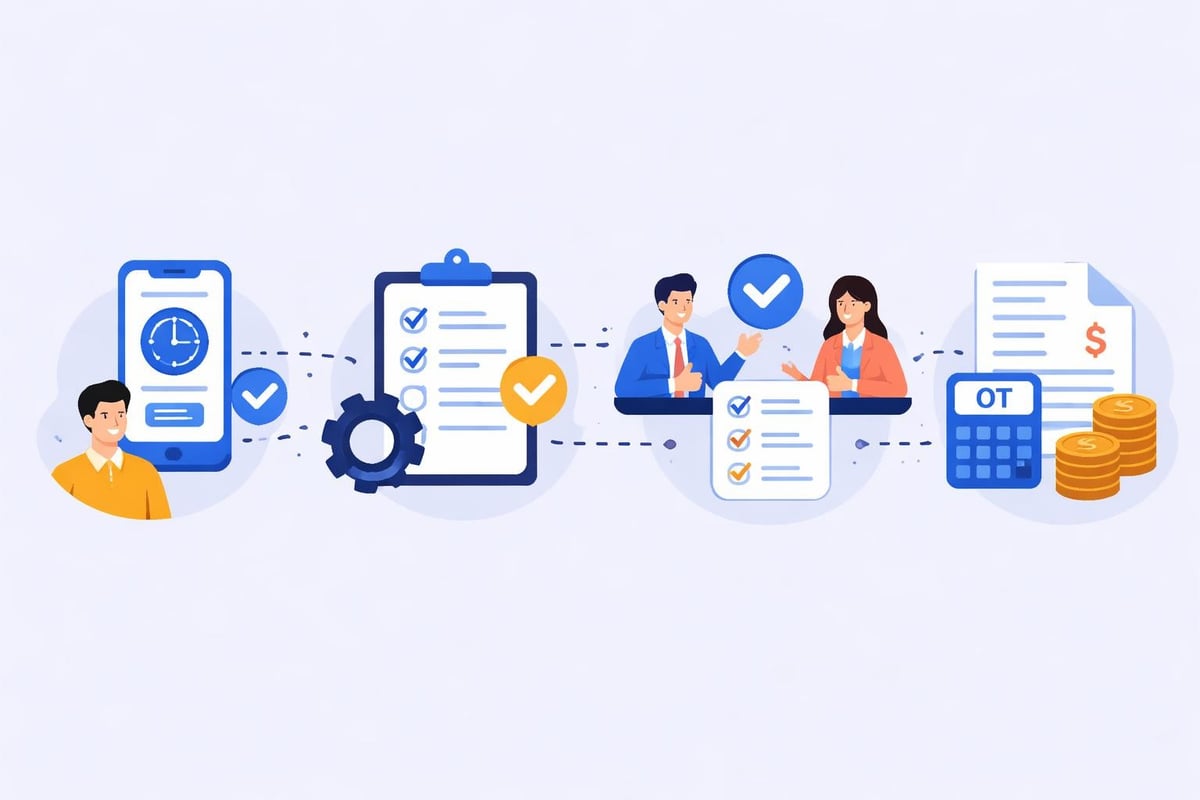
The software maintains complete audit trails showing when employees clocked in and out, when managers approved timesheets, and what changes occurred to time records. This documentation proves invaluable during labor disputes or regulatory audits.
Integration with Scheduling Systems
The most powerful efficiency gains emerge when time tracking works seamlessly with employee scheduling. This integration creates a closed-loop system where schedules inform time tracking expectations and actual hours worked inform future scheduling decisions.
Schedule Versus Actual Comparison
Comparing scheduled shifts against actual worked hours reveals patterns that drive better planning. Managers can identify employees who consistently arrive late or leave early, departments that regularly run over scheduled hours, or shifts where staffing levels prove inadequate.
This analysis supports data-driven scheduling for restaurants that balances labor costs with service quality. When managers understand historical patterns, they can create schedules that match actual business needs rather than relying on guesswork.
Shift Differential and Role Tracking
Many service industry employees work different roles at varying pay rates throughout the week. A comprehensive staff time tracking app tracks which position each employee worked during specific time periods, ensuring accurate compensation while providing insights into operational needs.
This capability becomes particularly valuable for businesses that cross-train employees across multiple roles. Managers can see how much time gets allocated to different positions and whether scheduling reflects actual operational requirements.
Improving Employee Accountability and Transparency
While business owners benefit from improved cost control and administrative efficiency, employees also gain significant advantages from digital time tracking systems. The ways time tracking benefits employees include increased pay accuracy, transparency into worked hours, and simplified leave management.
Employee Self-Service Capabilities
Modern platforms provide employees with direct access to their time records through mobile apps or web portals. Workers can view their clock-in and clock-out times, review accumulated hours, and verify that their records accurately reflect time worked before payroll processing.
This transparency reduces payroll disputes while empowering employees to take ownership of their time records. When discrepancies arise, employees can flag issues immediately rather than discovering problems weeks later on their paychecks.
Leave and Absence Tracking
Integrated systems manage paid time off, sick leave, and other absences within the same platform that tracks worked hours. Employees can submit time-off requests digitally, managers can approve or deny requests with full visibility into staffing impacts, and the system automatically tracks accruals and balances.
For businesses operating across multiple countries or regions with different leave regulations, platforms like Verlof.io specialize in managing complex leave policies while reducing administrative burdens. This integration ensures that all time-related functions operate within a unified system.
Selecting the Right Staff Time Tracking App
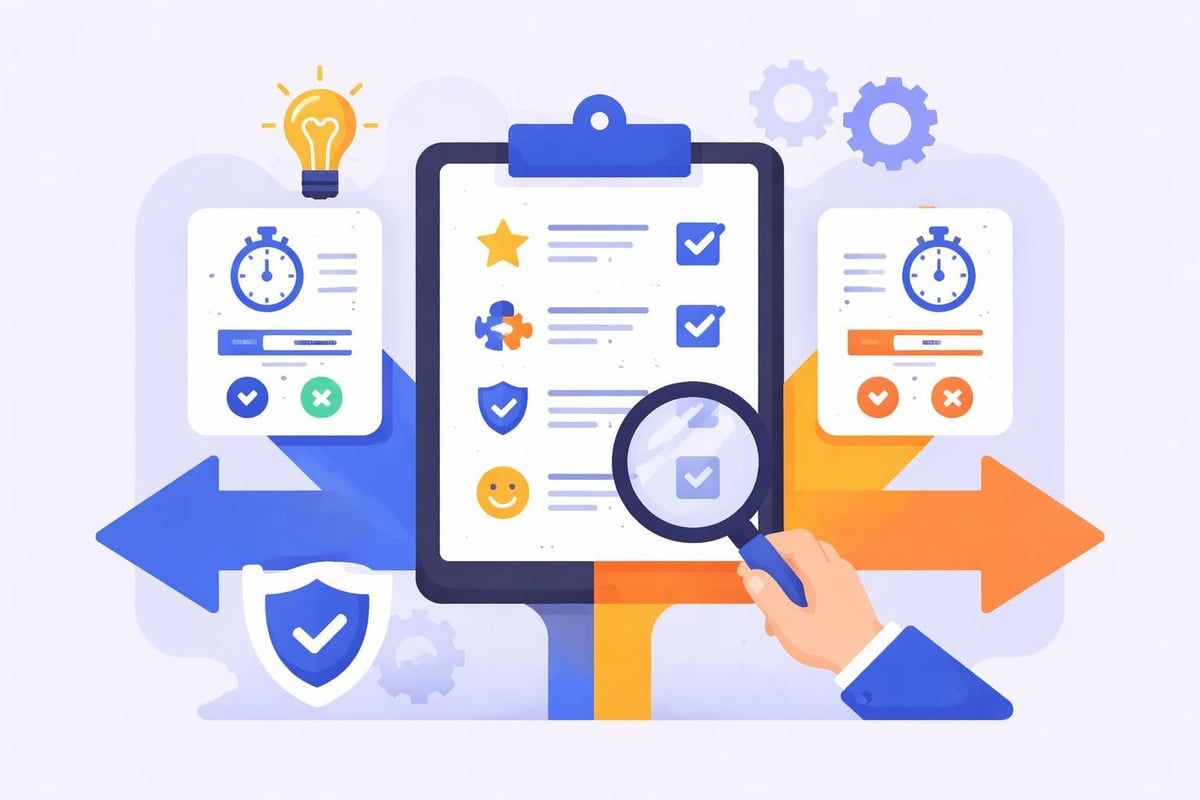
Choosing the optimal solution requires careful evaluation of your specific business needs, existing systems, and growth plans. The ideal staff time tracking app balances powerful features with intuitive usability that encourages employee adoption.
Critical Selection Criteria
Functionality requirements:
Clock-in methods that match your operational environment
Reporting depth that supports decision-making needs
Integration capabilities with existing payroll and accounting systems
Compliance features for your regulatory environment
Mobile accessibility for on-the-go management
Usability considerations:
Intuitive interface that requires minimal training
Fast clock-in process that doesn't create service delays
Reliable performance during peak operational hours
Accessible customer support when issues arise
Business alignment factors:
Pricing structure that scales with your workforce
Industry-specific features for restaurant operations
Customization options for unique policies or workflows
Data security and privacy protections
Many businesses find that free staff schedule maker options provide basic functionality but lack the advanced features that drive real operational improvements. Investing in purpose-built solutions designed for service industry needs typically delivers better long-term value.
Implementation Best Practices for Maximum Adoption
Even the most sophisticated staff time tracking app delivers minimal value if employees don't use it correctly or managers fail to leverage its capabilities. Successful implementation requires thoughtful planning, comprehensive training, and ongoing reinforcement.
Phased Rollout Strategy
Rather than switching from manual to digital systems overnight, implement changes gradually to minimize disruption and allow time for adjustment. Start with a pilot group of reliable employees who can provide feedback before expanding to your entire workforce.
Configure system settings and policies before employee access
Train management team on all features and reporting capabilities
Introduce pilot group to basic clock-in and clock-out functionality
Gather feedback and refine processes based on real-world usage
Roll out to remaining employees with improved training materials
Monitor adoption metrics and address resistance proactively
Training and Communication
Clear communication about why you're implementing time tracking prevents resistance and encourages buy-in. Emphasize benefits that matter to employees, including accurate paychecks, transparent records, and simplified time-off requests.
Provide multiple training formats to accommodate different learning styles. Offer hands-on demonstrations, written guides with screenshots, and video tutorials that employees can reference when needed. Make trainers available during the first few shifts to answer questions and troubleshoot problems immediately. Understanding why track employee time helps frame these discussions around mutual benefits rather than top-down control.
Measuring Return on Investment
Quantifying the financial impact of implementing a staff time tracking app demonstrates value to stakeholders while identifying areas for further optimization. Track key metrics before and after implementation to measure improvements objectively.
Financial Impact Metrics
Metric | Before Implementation | After Implementation | Improvement |
|---|---|---|---|
Payroll processing time | 8 hours per period | 2 hours per period | 75% reduction |
Timesheet errors per period | 12-15 errors | 2-3 errors | 80% reduction |
Overtime as % of total labor | 8.5% | 5.2% | 39% reduction |
Labor cost variance from budget | ±4.5% | ±1.2% | 73% improvement |
Operational Improvements
Beyond direct financial savings, effective time tracking improves operational efficiency in ways that support better service delivery and employee satisfaction. Managers spend less time on administrative tasks and more time coaching teams, resolving customer issues, and improving operations.
Reduced payroll disputes improve employee morale while demonstrating that management values accuracy and fairness. Better scheduling informed by actual labor data leads to appropriate staffing levels that balance service quality with cost control. The enhanced productivity insights available through comprehensive analytics enable continuous operational refinement.
Advanced Features for Growing Businesses
As service industry businesses expand operations, open additional locations, or increase workforce size, their time tracking needs become more sophisticated. Advanced staff time tracking app features support this growth while maintaining the efficiency gains achieved with basic implementation.
Multi-Location Management
Businesses operating multiple restaurants, cafes, or service locations need consolidated reporting with location-specific detail. Advanced platforms provide hierarchical structures where corporate managers can view aggregated data across all sites while location managers access only their specific operations.
This capability extends to employee management when workers float between locations. The system tracks which site each employee worked at during specific periods, ensuring accurate labor cost allocation and enabling location-specific performance analysis.
API Integrations and Custom Workflows
Enterprise-grade solutions offer robust APIs that connect time tracking data with other business systems. These integrations create automated workflows that eliminate manual data transfer while ensuring consistency across platforms.
Common integration scenarios include:
Automatic employee creation when HR systems onboard new hires
Bidirectional schedule synchronization with workforce management platforms
Direct timesheet transfer to payroll providers without manual export
Labor data feeds to business intelligence dashboards for executive reporting
Predictive Analytics and Forecasting
The most advanced platforms leverage historical time tracking data to forecast future labor needs based on predicted business volumes. Machine learning algorithms identify patterns between sales, customer traffic, day of week, and season to recommend optimal staffing levels.
These predictive capabilities transform time tracking from a reactive recording system into a proactive planning tool that improves both service delivery and profitability.
Mobile-First Design for Modern Workforces
Today's restaurant and service industry employees expect technology that works as intuitively as their personal apps. A truly effective staff time tracking app prioritizes mobile experience, recognizing that managers and employees interact with the system primarily through smartphones and tablets.
Native Mobile Applications
While web-based time tracking offers universal accessibility, native mobile apps provide superior performance, offline functionality, and integration with device features like cameras and biometric authentication. Employees can clock in using facial recognition or fingerprint scanning, adding security while simplifying the process.
Mobile-first design also enables push notifications that remind employees to clock in or out, alert managers to staffing shortages, or notify team members about schedule changes. These real-time communications improve operational coordination while reducing the administrative burden of manual notifications. The improved accuracy for payroll processing that results from mobile accessibility ensures that employees can record time whenever and wherever they work.
Offline Capability and Synchronization
Restaurant environments don't always offer reliable internet connectivity, particularly in kitchens, basements, or older buildings. Quality mobile apps function offline, storing clock-in and clock-out events locally before synchronizing with central systems when connectivity returns.
This offline functionality prevents lost time records while ensuring that technology constraints don't disrupt operations during busy service periods. Managers and employees can trust that the system captures all hours worked regardless of network conditions.
Implementing a staff time tracking app transforms how restaurants and service businesses manage their most significant expense while improving accuracy, compliance, and employee satisfaction. The automation, real-time visibility, and analytical insights these platforms provide deliver measurable returns that extend far beyond simple timekeeping. Heybegin combines smart scheduling with comprehensive time tracking specifically designed for restaurants, cafes, pubs, and service industries, helping businesses reduce labor costs through real-time hour tracking, automated timesheets, and seamless payroll integration that turns time management from an administrative burden into a strategic advantage.