Work Time Tracking App: Complete Guide for 2026
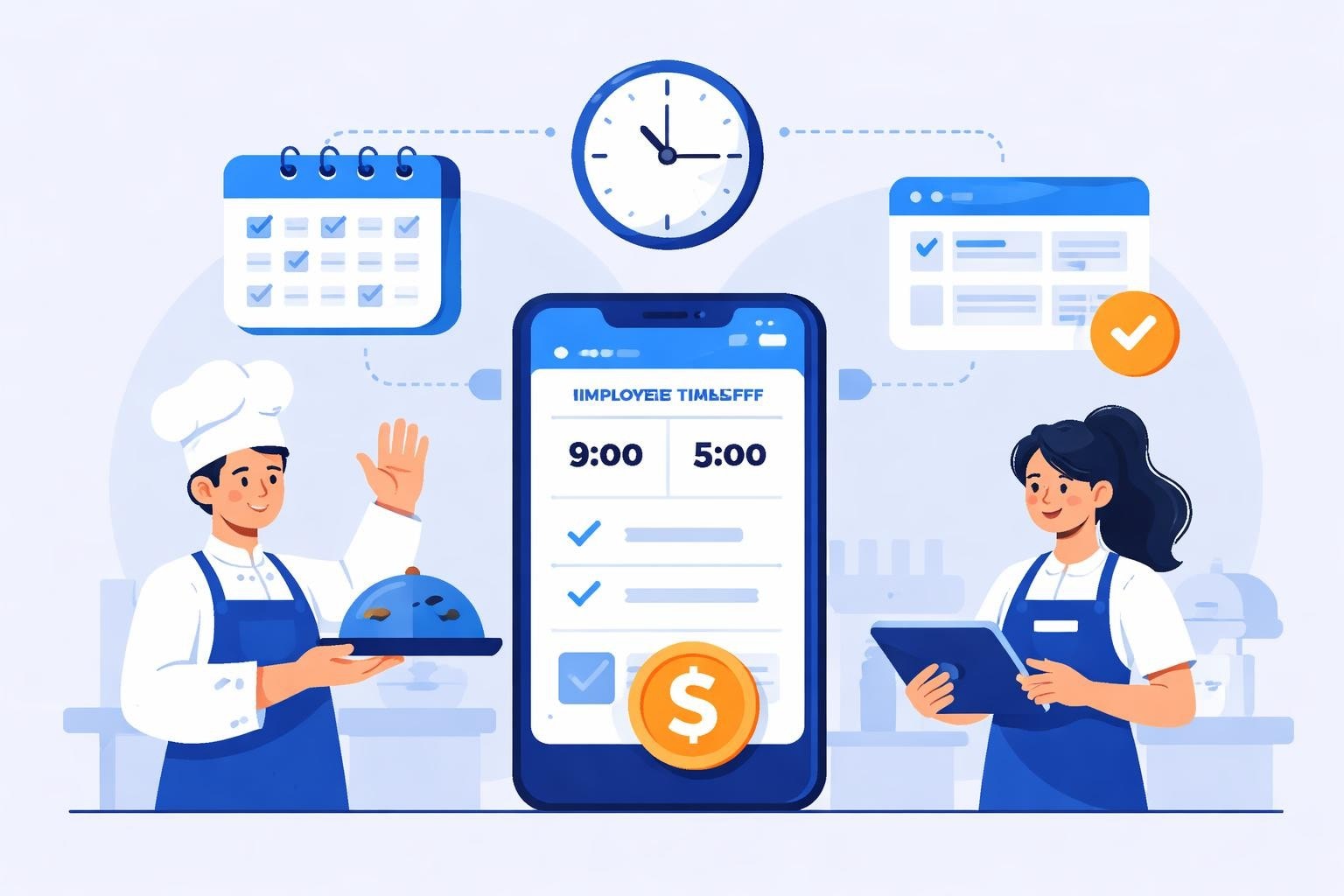
Discover how a work time tracking app improves efficiency, reduces costs, and streamlines operations for service industry businesses in 2026.
Managing employee hours in service industries has evolved dramatically over the past decade. What once required manual timesheets and endless spreadsheets now demands sophisticated digital solutions that deliver real-time insights. A work time tracking app represents more than just a digital clock-in system. It serves as the foundation for labor cost management, compliance, and operational efficiency in restaurants, cafes, pubs, and similar businesses where every minute counts.
Why Service Industries Need Digital Time Tracking
The hospitality sector faces unique challenges that make traditional timekeeping methods impractical and costly. Staff members work variable shifts, split shifts, and overtime hours that change weekly. Manual tracking creates opportunities for errors, buddy punching, and timesheet fraud that directly impact profitability.
Modern solutions address these challenges through automated systems that capture work hours with precision. When employees clock in through a digital platform, managers gain immediate visibility into who is working, labor costs accruing in real time, and potential overtime situations before they become budget problems.
Real-Time Labor Cost Visibility
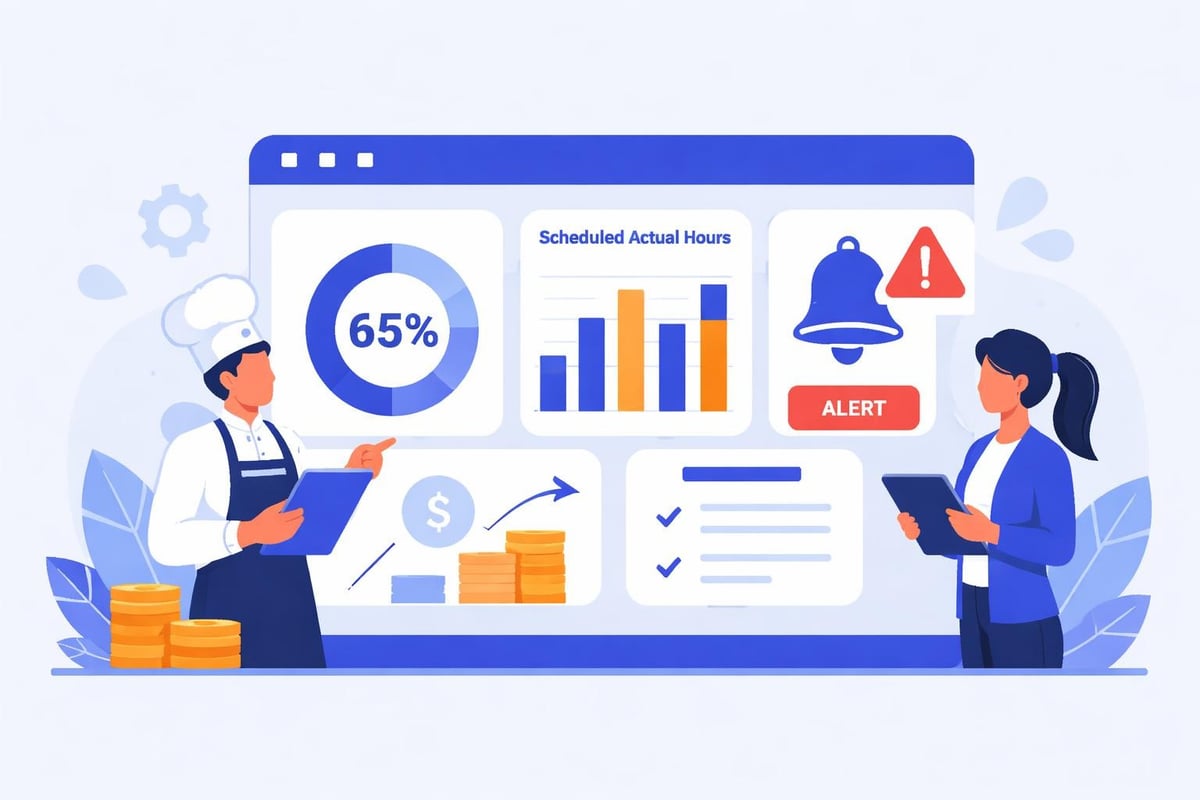
Labor typically represents the largest controllable expense for restaurants and cafes, often consuming 30-35% of revenue. A work time tracking app provides instant access to this critical metric, allowing managers to make informed staffing decisions throughout the day rather than discovering problems when reviewing weekly reports.
Instant cost calculations based on employee wage rates and actual hours worked
Budget alerts that notify managers when labor costs approach predetermined thresholds
Comparative analysis showing current performance against historical data and targets
Department-level tracking for businesses with multiple revenue centers
The ability to monitor labor costs for restaurants in real time transforms reactive management into proactive optimization. Managers can send staff home early during slow periods or call in additional help before service quality suffers.
Essential Features That Drive Results
Not all time tracking solutions deliver equal value. Service industry businesses require specific capabilities that address their operational realities and regulatory requirements.
Accurate Clock-In Methods
Traditional time clocks created opportunities for manipulation. Employees could clock in for absent colleagues or round their hours generously. Modern systems employ multiple verification methods to ensure accuracy and accountability.
Verification Method | Benefits | Best Use Case |
|---|---|---|
PIN Codes | Simple, no hardware required | Small teams with high trust |
Biometric Scanning | Eliminates buddy punching | Larger operations with fraud concerns |
Geofencing | Confirms on-site presence | Multi-location businesses |
Photo Verification | Visual confirmation | Remote or distributed teams |
Choosing the right verification approach depends on workforce size, trust level, and budget constraints. Many businesses combine multiple methods for comprehensive coverage.
Automated Timesheet Generation
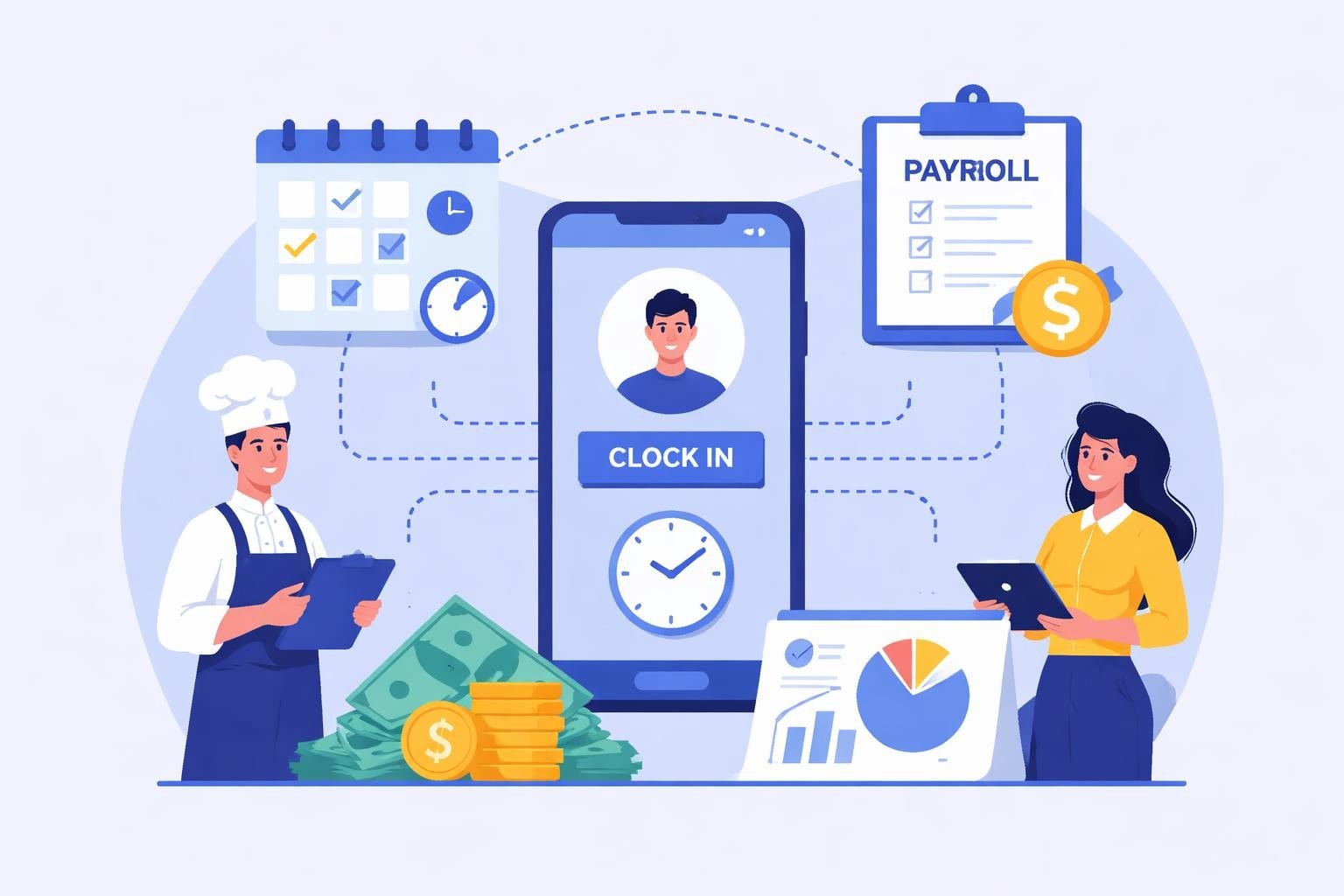
Manual timesheet compilation consumes valuable management hours and introduces calculation errors. A reliable work time tracking app automatically aggregates clock-in/out data into formatted timesheets ready for payroll processing.
This automation extends beyond simple hour totals. Advanced systems calculate overtime based on applicable regulations, track break compliance, and flag potential issues before payroll submission. For businesses operating across multiple jurisdictions, these capabilities prevent costly compliance violations.
The best time tracking tools integrate directly with popular payroll platforms, eliminating redundant data entry and reducing payroll processing time by up to 75%.
Integration With Scheduling Systems
Time tracking delivers maximum value when connected to employee scheduling. This integration creates a continuous workflow from schedule creation through payroll processing, with data flowing seamlessly between functions.
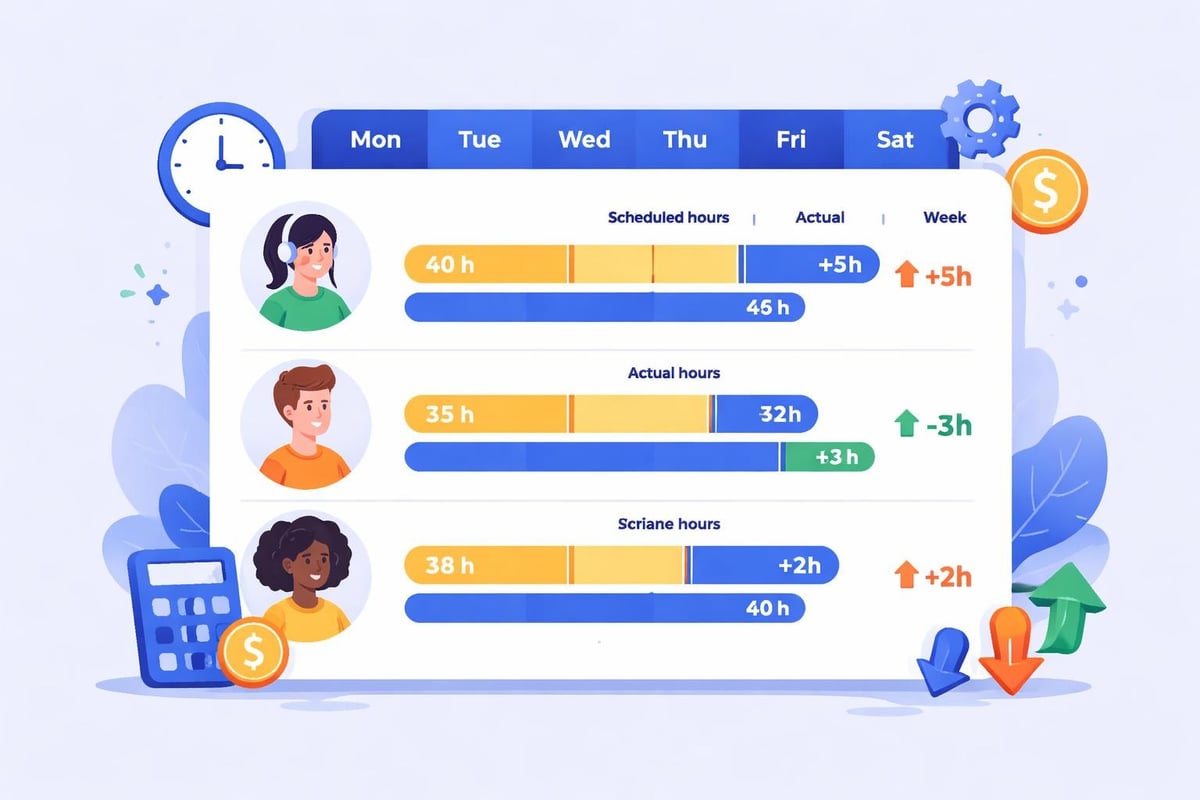
When your work time tracking app connects to scheduling software, managers can compare planned shifts against actual hours worked. This comparison reveals patterns like chronic tardiness, early departures, or unauthorized overtime that require intervention.
Schedule Adherence Monitoring
Published schedules represent labor budgets translated into shift assignments. Deviations from these schedules directly impact costs and service levels. Integrated systems track adherence automatically and provide actionable insights.
Variance reports showing differences between scheduled and actual hours
Trend analysis identifying employees with consistent attendance issues
Cost impact calculations quantifying the financial effect of schedule deviations
Automated notifications alerting managers to real-time adherence problems
Businesses using scheduling for restaurants benefit from closed-loop systems where actual time data informs future schedule optimization. If certain shifts consistently run over budget, schedules adjust to reflect operational reality.
Mobile Accessibility For Modern Teams
Service industry employees rarely work at desks with computer access. Mobile functionality is not optional but essential for any effective time tracking solution. Staff members need to clock in from kitchen terminals, floor kiosks, or their personal devices depending on business policies.
Mobile apps provide employees with visibility into their own time records, reducing disputes and payroll questions. Workers can review their accumulated hours, request time-off, and receive shift notifications all from their smartphones.
Employee Self-Service Capabilities
Empowering employees to manage their own time data reduces administrative burden while improving accuracy and satisfaction. Self-service portals allow staff to take ownership of their attendance records.
When implementing self-service features, consider these essential functions:
Current pay period hours showing accumulated time and projected earnings
Historical timesheet access for personal record-keeping and verification
Discrepancy reporting allowing employees to flag missed punches or errors
Schedule viewing to confirm upcoming shifts and responsibilities
Time-off requests submitted directly through the tracking interface
Research shows that worker-centered approaches, like those described in studies on open and decentralized occupational management systems, improve accuracy and employee satisfaction while reducing administrative overhead.
Compliance And Reporting Capabilities
Labor regulations vary significantly by location, industry, and business size. A comprehensive work time tracking app helps businesses maintain compliance across multiple jurisdictions and regulatory frameworks.
Automated tracking eliminates common compliance risks like unpaid breaks, unauthorized minor work hours, and overtime calculation errors. The system enforces break requirements, prevents prohibited shifts, and maintains detailed records for audit purposes.
Audit Trail Documentation
Regulatory agencies and legal proceedings may require detailed time records spanning months or years. Digital systems maintain comprehensive audit trails that would be impossible with manual methods.
Record Type | Retention Requirement | Typical Use Case |
|---|---|---|
Time Punches | 3-7 years | Wage dispute resolution |
Schedule Changes | 2-5 years | Labor law compliance |
Break Records | 3-5 years | Rest period verification |
Overtime Calculations | 3-7 years | FLSA compliance audits |
These records remain accessible and searchable regardless of employee status changes or years elapsed. When disputes arise or audits occur, managers can retrieve specific data within minutes rather than hours or days.
Cost Reduction Through Accuracy
Imprecise timekeeping costs businesses through multiple channels. Time theft through buddy punching, generous rounding, and unauthorized overtime adds up quickly. Industry studies suggest that businesses lose 1-8% of total payroll to time theft and errors.
A properly implemented work time tracking app eliminates most of these losses through automated accuracy. Employees cannot clock in for absent colleagues when biometric or photo verification is required. Rounding disappears when systems capture exact punch times. Unauthorized overtime triggers immediate manager alerts.
Calculating Return On Investment
Time tracking technology requires initial investment and ongoing subscription costs. However, payroll savings typically exceed these expenses within the first few months of implementation.
Consider a restaurant with 25 employees averaging 30 hours weekly at $15 per hour. If time tracking eliminates just 5 minutes of daily time theft per employee, the annual savings exceed $9,700. Most businesses discover savings opportunities far exceeding this conservative estimate.
Beyond direct payroll savings, consider indirect benefits like reduced payroll processing time, eliminated timesheet disputes, improved schedule accuracy, and better labor cost management. These operational improvements compound over time.
Selecting The Right Solution For Your Business
The market offers dozens of time tracking options ranging from simple punch clocks to comprehensive workforce management platforms. Businesses in the service industry need solutions designed for their specific operational requirements.
When evaluating options, prioritize vendors with hospitality industry experience. Generic time tracking systems lack features essential for restaurant, cafe, and pub operations like split shift tracking, tip integration, and multiple pay rate handling.
Critical Evaluation Criteria
Your selection process should assess both immediate needs and future scalability. Growing businesses need platforms that expand without requiring complete system replacement.
Must-have capabilities:
Clock-in verification methods appropriate for your trust level and budget
Mobile access for both employees and managers
Real-time labor cost visibility and budget alerts
Integration with your existing payroll and scheduling systems
Compliance tracking for applicable labor regulations
Automated timesheet generation and approval workflows
Nice-to-have features:
Advanced analytics and forecasting capabilities
Employee self-service portals for reduced administration
Multi-location support with centralized reporting
API access for custom integrations
Dedicated support for implementation and training
Resources like guides on finding the best time tracking software for remote teams provide valuable evaluation frameworks applicable to service industry contexts as well.
Implementation Best Practices
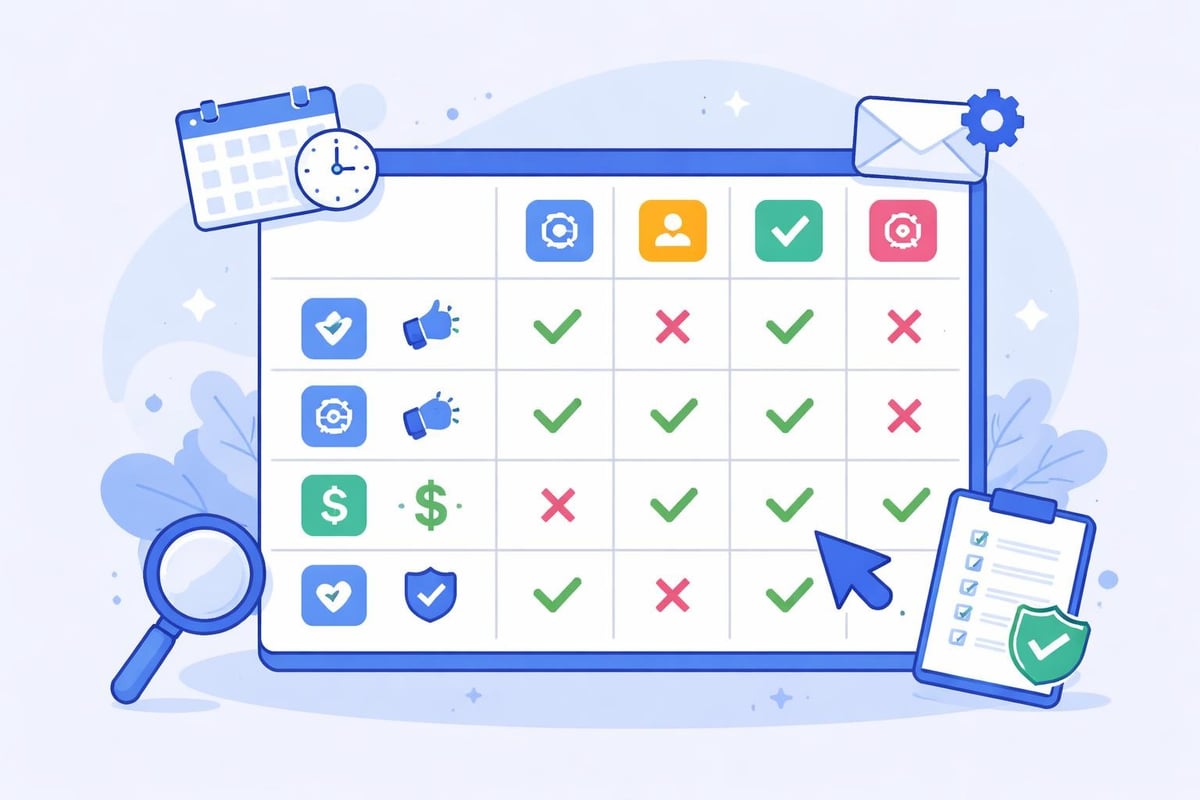
Technology alone does not guarantee success. Proper implementation determines whether your work time tracking app delivers promised benefits or becomes another underutilized software subscription.
Successful deployments begin with clear communication explaining why the change is occurring and how it benefits both the business and employees. Staff members resistant to new technology need reassurance about privacy, fairness, and ease of use.
Training And Adoption Strategies
Comprehensive training prevents frustration and ensures consistent system usage. Different user groups require different training approaches tailored to their roles and responsibilities.
Manager training covering administrative functions, reporting, and exception handling
Employee orientation focusing on basic clock-in procedures and self-service features
Payroll coordinator instruction on timesheet export and payroll system integration
Ongoing support through documentation, help resources, and responsive vendor assistance
Periodic refreshers reinforcing best practices and introducing new features
Plan for a transition period where both old and new systems run simultaneously. This parallel operation allows verification of accuracy before fully committing to the new platform. Most businesses complete this transition within two to four weeks.
Advanced Analytics For Labor Optimization
Basic time tracking captures hours worked. Advanced platforms transform this data into actionable intelligence that drives continuous improvement across operations.
Labor analytics reveal patterns invisible in individual timesheet reviews. Which shifts consistently run over budget? Which employees demonstrate exceptional productivity? When do unplanned overtime situations develop? These insights enable proactive management rather than reactive problem-solving.
Predictive Workforce Planning
Historical time data combined with sales information enables sophisticated labor forecasting. Systems can predict optimal staffing levels based on day of week, season, weather, events, and other variables that influence customer volume.
This predictive capability transforms scheduling from guesswork into data-driven optimization. Managers create free staff schedule makers that align labor deployment with anticipated demand, reducing both overstaffing waste and understaffing service failures.
Popular platforms like Toggl Track demonstrate how time tracking has evolved from simple hour recording into comprehensive productivity and planning tools used across industries.
Privacy And Employee Rights Considerations
While time tracking technology offers significant business benefits, implementation must respect employee privacy and legal rights. Transparent policies prevent misunderstandings and legal challenges.
Clearly communicate what data the system collects, how it is used, who can access it, and how long it is retained. Employees should understand that time tracking serves legitimate business purposes rather than invasive surveillance.
Some jurisdictions require employee consent for biometric data collection or limit how location tracking can be implemented. Consult legal counsel to ensure your chosen work time tracking app and implementation approach comply with applicable regulations.
Building Trust Through Transparency
Employees accept time tracking more readily when they understand its benefits and limitations. Regular communication about how time data improves scheduling fairness, ensures accurate pay, and supports business sustainability helps build buy-in.
Provide employees with full access to their own time records and clear procedures for reporting discrepancies. When staff members can verify their data and correct errors easily, trust in the system increases while administrative burden decreases.
Integration Ecosystem Considerations
Modern businesses use multiple software platforms for different operational functions. Your time tracking solution should integrate seamlessly with these existing systems rather than creating data silos.
Critical integration points include payroll systems, accounting software, scheduling platforms, and point-of-sale systems. Data should flow automatically between these applications without manual export, reformatting, and import processes that waste time and introduce errors.
When reviewing options highlighted in 2026 time tracking app guides, prioritize platforms with robust integration libraries and open APIs. This flexibility prevents vendor lock-in and supports future technology evolution.
Point-of-Sale Integration Benefits
Restaurants and cafes benefit enormously from connecting time tracking with POS systems. This integration enables sales-per-labor-hour calculations, the gold standard metric for service industry productivity measurement.
When your work time tracking app knows both labor costs and sales revenue for specific time periods, managers can optimize staffing with precision. This data answers critical questions like optimal server-to-customer ratios, kitchen staff productivity, and peak efficiency hours.
Future Trends Shaping Time Tracking
The evolution of workforce management technology continues accelerating. Understanding emerging trends helps businesses select solutions with longevity rather than platforms approaching obsolescence.
Artificial intelligence increasingly powers predictive scheduling, anomaly detection, and optimization recommendations. Systems analyze historical patterns to suggest schedule adjustments, flag unusual punch patterns, and identify optimization opportunities managers might miss.
Contactless verification methods gained prominence during recent health concerns and continue expanding. Technologies like facial recognition, voice authentication, and proximity detection offer verification without physical contact or shared devices.
Blockchain-based time verification has emerged as a solution for distributed teams and contract workers. Immutable time records provide unprecedented audit trail integrity and dispute resolution capabilities.
Effective time management represents the difference between profitable operations and businesses struggling with labor cost overruns. A work time tracking app designed specifically for service industry needs eliminates the guesswork and inefficiency of manual timekeeping while providing real-time visibility into your largest controllable expense. Whether you operate a single location or multiple sites, the right technology platform transforms time tracking from an administrative burden into a strategic advantage. Heybegin delivers precisely this transformation for restaurants, cafes, pubs, and service businesses through smart scheduling and automated time tracking solutions that reduce labor costs while simplifying daily operations.